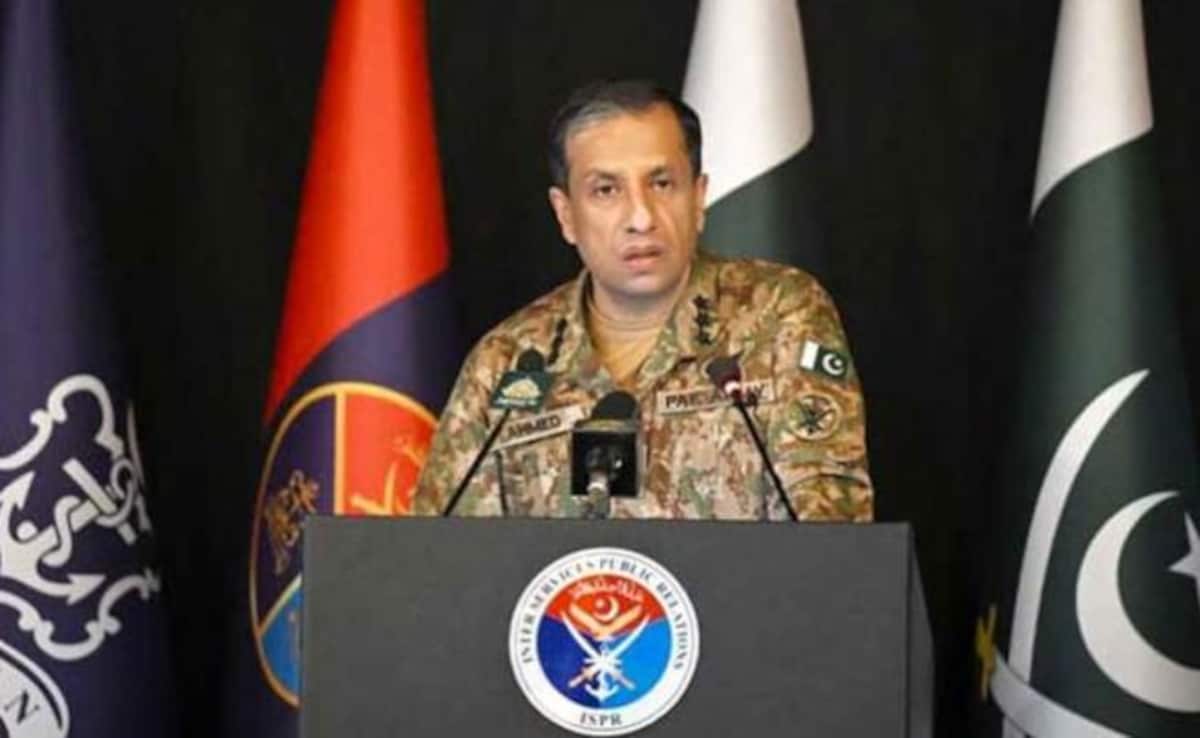
A retired Pakistani Lieutenant General thought he had a winning point. He didn't. During a televised debate, he mocked the Indian Army’s use of English during press briefings, suggesting it somehow signaled a lack of "indigenous" pride or a disconnect from the common man. He expected a "gotcha" moment. Instead, he walked straight into a buzzsaw of logic, history, and memes that didn't just defend the Indian Army—it highlighted why English is actually a strategic tool for India’s military success.
The internet doesn't let things slide. Within hours, the General’s comments were shredded by military veterans, historians, and average citizens who pointed out the glaringly obvious. India is a subcontinent of dozens of languages and hundreds of dialects. For an army that recruits from the snowy peaks of Ladakh to the tropical coast of Kerala, English isn't a colonial hangover. It's the glue.
Language as a Tactical Tool in a Multilingual Force
If you've ever spent time around an Indian Army unit, you'll see a linguistic kaleidoscope. You have a Gorkha soldier speaking Nepali, a commanding officer from Punjab, and a technical expert from Tamil Nadu. They aren't just "coexisting." They're operating complex weapon systems where a misunderstanding costs lives.
English acts as a bridge language (lingua franca) that levels the playing field. It ensures that a radio operator in the Northeast can communicate perfectly with a headquarters in New Delhi without any "lost in translation" moments. The Pakistani General's jab ignored the reality that India’s strength lies in its diversity, and English is the practical choice to manage that diversity.
Beyond internal communication, the Indian Army is a global player. Whether it's United Nations peacekeeping missions in Africa or joint exercises with the US, UK, or Japanese forces, English is the international language of warfighting. Being fluent isn't about being "elite." It's about being compatible with the rest of the world.
The Meme Fest and the Backfire Effect
The internet's response was swift and merciless. Twitter (X) and Instagram were flooded with clips of Indian officers speaking fluently in multiple languages, contrasted with the General’s narrow view. The memes highlighted a simple truth. An officer's merit isn't measured by the language they use to address the media, but by their ability to lead men under fire.
One viral thread pointed out that while the General was busy criticizing language choices, the Indian Army was busy integrating high-tech systems that require—you guessed it—English-based software and manuals. The mockery backfired because it felt desperate and out of touch. It tried to paint Indian officers as "brown sahebs," a tired trope that hasn't been relevant for decades.
The backlash also touched on a bit of hypocrisy. Most of the top brass in Pakistan’s own military were educated in English-medium institutions. Their own official documents and training manuals often lean heavily on English. Trying to weaponize a language that your own institution uses is a bold, if failed, strategy.
Breaking Down the Indigenous Argument
The General’s core argument was that "true" armies speak the language of their soil. It’s a romanticized view that falls apart under any real scrutiny. The Indian Army is one of the most "indigenous" institutions in the country. It draws from every village and city. When a press briefing is held in English, it’s for the national and international press. When those same officers are in the trenches, they're speaking the language of their troops—be it Hindi, Punjabi, Marathi, or Bengali.
The ability to switch between a local dialect and a global language isn't a weakness. It's a cognitive and professional advantage. It shows a level of sophistication that allows the military to interact with the highest levels of global diplomacy while remaining rooted in the dirt of the border outposts.
Why This Distraction Matters
This isn't just about a silly comment on a talk show. It reflects a deeper desire to find "cracks" in the Indian military's image. When you can't beat an opponent on the field or in terms of technological advancement, you go for their identity. You try to claim they aren't "authentic."
But authenticity in a modern military isn't about the words you use. It's about:
- Operational readiness and response times.
- The success of "Atmanirbhar" (self-reliant) defense manufacturing.
- The seamless integration of diverse ethnic groups into a single fighting unit.
- The ability to project power across the Indo-Pacific.
The Indian Army has proven it can do all of these while speaking English, Hindi, or silence when necessary. The General’s "Why English?" question didn't find a flaw; it just exposed his own misunderstanding of what makes a modern, diverse superpower function.
What Happens When Rhetoric Fails
The fallout from this "jab" shows that the public is getting smarter. People see through the attempt to stoke nationalist sentiment by attacking something as mundane as a language choice. The "meme fest" was a form of digital pushback against outdated, narrow-minded thinking.
If you're following these developments, don't just look at the funny memes. Look at the underlying message. The Indian Army’s use of English is a conscious, strategic choice that reflects India’s global ambitions. It’s not going away, and it’s certainly not a sign of weakness.
Next time you hear a talking head complain about "colonial mindsets" because an officer is fluent in English, ask yourself if they'd prefer an army that can't talk to its allies or its own diverse regiments. The answer is pretty clear.
Keep an eye on how these narrative battles play out on social media. They're often more revealing than the official statements. If you want to see the Indian Army's real "language," look at their joint exercise videos with global powers. That's where the real communication happens.



