The Fuel Surcharge Myth
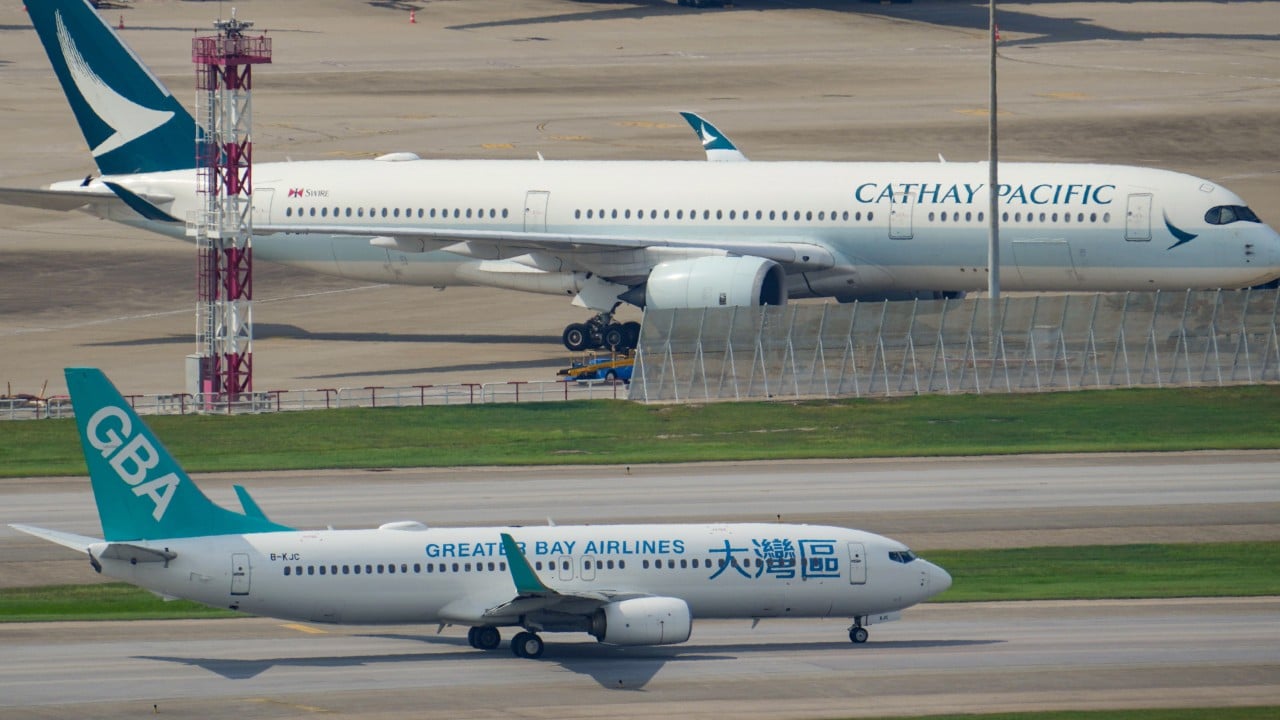
Greater Bay Airlines is hiking its fuel surcharges. Cathay Pacific and HK Express already did it. The narrative is always the same: "Oil prices are volatile, and we are just passing on the unavoidable costs of a global energy crisis to the consumer."
It is a lie.
The fuel surcharge is not a reflection of what it costs to fly a plane. It is a sophisticated yield management tool designed to decouple the headline fare from the actual cost of the seat. By blaming "market forces" and "soaring costs," airlines hide their own operational inefficiencies and aggressive margin-padding behind a line item that most passengers accept as an act of god.
If fuel prices were truly the driver, these surcharges would vanish the moment Brent crude dips. They don’t. They are sticky. They are psychological. They are the industry's favorite way to tax your ignorance.
The Math of Misdirection
When an airline like Greater Bay Airlines (GBA) announces a surcharge hike, they rely on the fact that you won't do the math. Aviation fuel typically accounts for 25% to 35% of an airline’s operating expenses. However, the correlation between the spot price of kerosene and the surcharge on your ticket is tenuous at best.
Most major carriers use fuel hedging. They lock in prices months or years in advance. When the market price spikes, they aren't actually paying that price yet—they are burning "cheap" fuel bought during the last dip. Yet, the moment the news cycle mentions an energy crisis, the surcharges go up. They are charging you a premium for a cost they haven't actually incurred.
The Transparency Gap
Why not just raise the base fare? Because a $500 ticket with a $150 surcharge looks better on a search engine than a $650 ticket.
- Psychological Anchoring: You see the low "fare" and commit to the purchase.
- Refund Shielding: In many jurisdictions, fuel surcharges are harder to claw back than the base fare during a cancellation.
- Corporate Contracting: Many corporate travel deals are negotiated as a percentage off the "base fare." By shifting the cost to the surcharge, the airline preserves its margin while technically honoring the discount.
Why Greater Bay Airlines is Late to the Party
GBA is currently trying to play in the big leagues with a fleet that lacks the scale of its rivals. When they "join their Hong Kong rivals" in raising fees, it isn't a sign of industry solidarity. It is a sign of a weak balance sheet.
Airlines with modern, fuel-efficient fleets—like those leaning heavily on the A321neo or the 787 Dreamliner—should be able to absorb minor fluctuations in oil prices. If an airline is forced to nickel-and-dime passengers over a $5 or $10 shift in fuel per barrel, they aren't running a transportation company; they are running a failing hedge fund that happens to own airplanes.
The Efficiency Trap
I have seen carriers blow millions on "sustainability initiatives" while flying half-empty wide-body jets on short-haul routes. The real "fuel cost" isn't the price of oil; it's the weight of the ego.
- Empty Seats: A plane is a perishable product. Every empty seat increases the fuel burn per revenue passenger.
- Legacy Weight: Old-school carriers carry massive overhead—bloated management tiers and archaic booking systems—that LCCs (Low-Cost Carriers) strip away.
When GBA raises its surcharge, it’s not because the oil is expensive. It’s because they haven't optimized their load factors or their route density. You are paying for their inability to fill the plane.
The "People Also Ask" Fallacy
People often ask: "Why do fuel surcharges exist if I’m already paying for a ticket?"
The honest answer? Because they can.
The premise that a ticket price should be "all-inclusive" is a relic of the 1990s. We are in the era of unbundling. The fuel surcharge is the ultimate unbundled fee because it targets a necessity. You can choose not to check a bag. You can choose not to eat the soggy pasta. You cannot choose to fly a plane that doesn't use fuel.
By labeling it a "surcharge," the airline shifts the blame from their pricing department to the Middle East or the Texas oil fields. It’s a brilliant piece of PR that survives because regulators are too timid to demand true "all-in" pricing transparency.
The Contrarian Play: How to Actually Save
Stop looking at the fuel surcharge. It's a distraction. If you want to beat the system, you have to look at the Total Cost of Displacement.
- Avoid "Middle-Man" Hubs: Every takeoff and landing is where the bulk of fuel is burned. If an airline is hitting you with surcharges, a direct flight—even with a higher base fare—is often cheaper when you factor in the "per-leg" taxes and fees that these carriers stack.
- Watch the Hedging Cycles: Research the airline’s annual report. If they aren't hedged, they are exposed. If they are heavily hedged, their "fuel crisis" is a fabrication.
- Weight Matters: The lighter the plane, the less fuel it burns. Newer airlines with slimline seats and no heavy inflight entertainment hardware are inherently more "fuel-stable."
A Thought Experiment: The Zero-Surcharge Airline
Imagine a carrier that refuses to implement surcharges. Instead, they use a dynamic pricing model that accounts for fuel as a standard COGS (Cost of Goods Sold).
- Result A: They lose the "lowest fare" ranking on Expedia.
- Result B: They gain a cult following of high-value business travelers who are tired of the bait-and-switch.
The reason no one does this in the Hong Kong market is cowardice. The industry operates on a "follow the leader" mentality. If Cathay breathes, GBA gasps. If Cathay charges, GBA bills.
The Hard Truth About "Soaring Costs"
The "soaring costs" narrative is a convenient blanket for a multitude of sins. It covers up rising labor costs due to poor retention strategies. It covers up the interest payments on massive debt loads taken on during the pandemic.
We are told that the aviation industry is a low-margin business. That is true only if you run it poorly. When you look at the record profits reported by major carriers in the post-pandemic travel surge, the "fuel surcharge" starts to look less like a survival mechanism and more like a dividend booster.
Greater Bay Airlines is not "joining rivals" to stay afloat. They are joining them because the market has shown that the Hong Kong traveler is conditioned to take the hit. As long as you keep paying the "fuel" fee without questioning the airline's fuel-burn efficiency or their hedging strategy, they will keep inventing new reasons to add digits to your invoice.
Next time you see a fuel surcharge increase, don't look at the price of oil. Look at the airline’s quarterly earnings. That is where the money is actually going.
The sky isn't falling. The prices are just being moved from one pocket to another while you're busy looking at the clouds.
Stop being a victim of the surcharge theater. Demand an all-in price or take your business to a carrier that doesn't treat its fuel bill like a surprise.