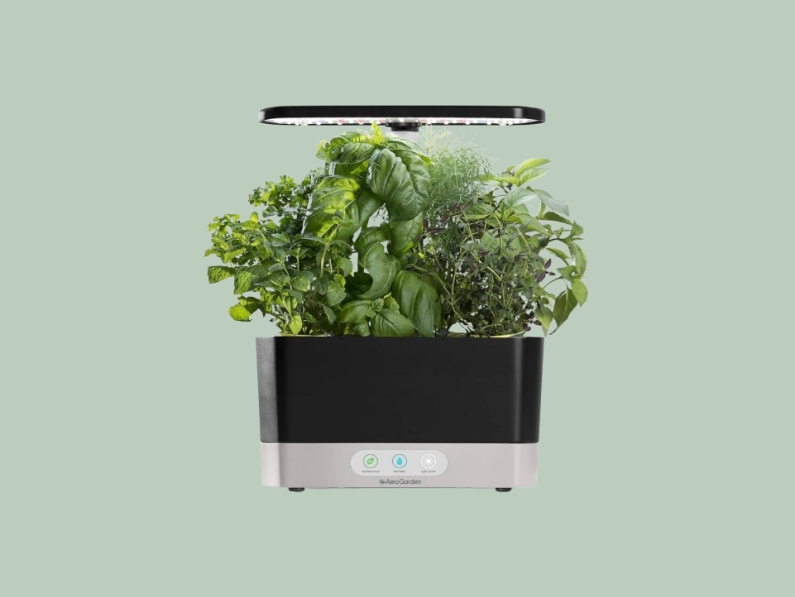
The internet is flooded with aesthetic listicles telling you how to turn a four-by-six-foot apartment balcony into a high-yield organic homestead. They show photos of lush vertical pallets dripping with strawberries, heavy trusses of heirloom tomatoes hanging over concrete railings, and mason jars bursting with homegrown mint. They call it "maximizing your space."
I call it a logistical nightmare that wastes time, incinerates cash, and usually ends in a sad pile of spider-mite-infested twigs.
For the past twelve years, I have designed urban green spaces and managed commercial interior landscaping projects. I have seen enthusiastic renters spend hundreds of dollars on specialized vertical planters, organic soil blends, and liquid fertilizers, all to harvest three bitter radishes and a handful of woodsorrel. The mainstream gardening media feeds a romantic delusion that micro-spaces are just shrunken farmlands. They are not. A balcony or a windowsill is a highly artificial, high-stress microclimate.
If you want to grow food, rent a community garden plot or buy a CSA share. If you want a successful small-space green zone, you need to stop treating your living room like a homestead and start treating it like the engineered environment it actually is.
The Vertical Gardening Myth
The most pervasive piece of advice handed to small-space dwellers is to "go vertical." The narrative goes that if you lack floor space, you should stack your plants on ladders, hang them from the ceiling, or mount them on felt pockets against the wall.
Here is what the lifestyle bloggers omit: vertical planters are death traps for plants.
Most vertical gardening systems rely on small, isolated root volumes. When you pack soil into a tiny wall pocket or a narrow tier on a plant ladder, you drastically reduce the thermal mass protecting the root system. In the summer, the sun bakes these pockets from all sides, skyrocketing root zone temperatures and choking the plant. In the winter, the lack of soil volume means the roots freeze entirely, destroying perennial varieties that would easily survive in the ground.
Furthermore, gravity is a brutal master in a vertical setup. Water drains rapidly through the top tiers, leaving them bone-dry within hours, while pooling in the bottom ranks, rotting the roots of whatever you planted down there. To keep a vertical wall alive, you either need a complex, automated drip-irrigation system with a integrated drainage basin, or you need to commit to watering your walls three times a day with a hand sprayer.
If you do not have the time to manage a precision hydration grid, vertical gardening is just an expensive way to compost.
The Calorie Deficit of Window Box Agriculture
Let us address the "grow your own food in an apartment" obsession.
To produce edible crops, a plant requires an immense amount of energy. In agricultural terms, this means direct, unobstructed sunlight—usually a minimum of six to eight hours a day. Most urban apartments, hemmed in by neighboring buildings, concrete overhangs, and UV-tinted window glass, offer only a fraction of that light.
When you force a sun-loving fruiting plant like a tomato or a pepper to grow in a low-light indoor environment or a shaded balcony, it undergoes etiolation. The plant stretches, becoming thin, pale, and structurally weak as it hunts for light. It channels all its limited energy into growing tall, leaving zero resources for flowering or fruit production.
Even if you manage to keep the plant alive, the economics are embarrassing. Consider the basic input-output math of a typical apartment tomato plant:
| Input Expense | Cost | Expected Output | Market Value |
|---|---|---|---|
| Designer Terracotta Pot | $35 | ||
| Premium Organic Potting Soil | $15 | ||
| Slow-Release Tomato Fertilizer | $12 | ||
| High-Quality Seedling | $6 | ||
| Total Investment | $68 | 3 Medium Tomatoes | $1.50 |
You are paying a massive premium for a sub-par product. This does not even account for the cost of your time, the water bill, or the inevitable price of pesticide spray when aphids discover your indoor buffet.
If you want to grow edibles in a small space, abandon the dream of salads and salsa. Limit yourself strictly to high-value, fast-growing herbs like chives, cilantro, or microgreens. These plants can harvested at infancy, require minimal root depth, and actually make sense given the spatial constraints. Otherwise, leave the farming to the farmers.
The Toxic Obsession with Pots Without Drainage
Walk into any trendy home decor store and you will find rows of beautiful, minimalist ceramic planters. Notice what ninety percent of them lack: a hole in the bottom.
The design industry has convinced consumers that drainage holes are messy inconveniences that ruin hardwood floors. Instead, they propagate the myth of the "drainage layer"—the idea that if you put an inch of gravel, charcoal, or river rocks at the bottom of a solid pot, it creates a safe space for excess water to sit.
This is fundamentally inaccurate science. It contradicts basic soil physics.
Water does not move easily from a fine-textured material (like potting soil) into a coarse-textured material (like gravel) until the upper layer is completely saturated. This creates what hydrologists call a perched water table. Instead of protecting the roots from drowning, the gravel layer actually moves the saturated zone higher up into the pot, closer to the core of the root system.
When roots sit in stagnant, oxygen-depleted water, anaerobic bacteria thrive. The roots rot, turn to mush, and the plant dies. The worst part? The top of the soil will look bone-dry, leading you to pour even more water into the trap.
If a container does not have a hole in the bottom, it is not a planter; it is a vase. If you must use a decorative, hole-less pot, treat it strictly as a cachepot. Keep the plant in its ugly plastic nursery liner, slide that liner into the decorative pot, and pull it out every single time you water so the excess liquid can drain into the sink. If that sounds like too much work, stick to fake silk plants.
Redefining Small Space Success: The Micro-Jungle Strategy
The real secret to small-space gardening is not trying to grow outward or upward with complex rigs. It is about grouping species to create a self-sustaining microclimate.
In the wild, plants rarely grow in isolation. They form communities. In an apartment, a single plant sitting on a stool is exposed to the dry, artificial airflow of your HVAC system on all sides. Moisture evaporates from its leaves instantly, forcing the plant into a state of chronic stress.
Instead of scattering small pots across every available surface to "brighten the room," mass your plants together in a single, dedicated zone.
When you cluster five, ten, or fifteen plants closely together, their collective transpiration—the process of releasing water vapor through their stomata—creates a localized bubble of high humidity. This micro-jungle strategy allows tropical, large-leafed plants like Calatheas, Monsteras, and Philodendrons to thrive in otherwise dry indoor air.
How to Build a High-Density Plant Zone
- Select a Anchor Plant: Start with one large, structurally dominant specimen, like a Ficus lyrata or a large Monstera deliciosa, to establish the core footprint.
- Layer by Light Requirement: Place your high-light tolerant plants closest to the window glass, and use their foliage to shade the more sensitive, low-light understory plants placed deeper in the room.
- Use Shared Trays: Situate the pots on large, shallow trays filled with pebbles and water. This provides a continuous upward pull of humidity without ever allowing the root bases to touch the water line.
This approach acknowledges the reality of your space. It works with the architecture of an apartment rather than fighting it. You stop fighting gravity, you stop dripping dirty water onto your baseboards, and you give the plants the structural support they actually need to survive long-term.
Stop treating your window sill like a miniature industrial farm. Ditch the vertical pallets, throw away the hole-less pots, and stop buying tomato seeds for a north-facing apartment. Invest in three high-quality tropicals, cluster them properly, and let them do what they are actually evolved to do: survive indoors.