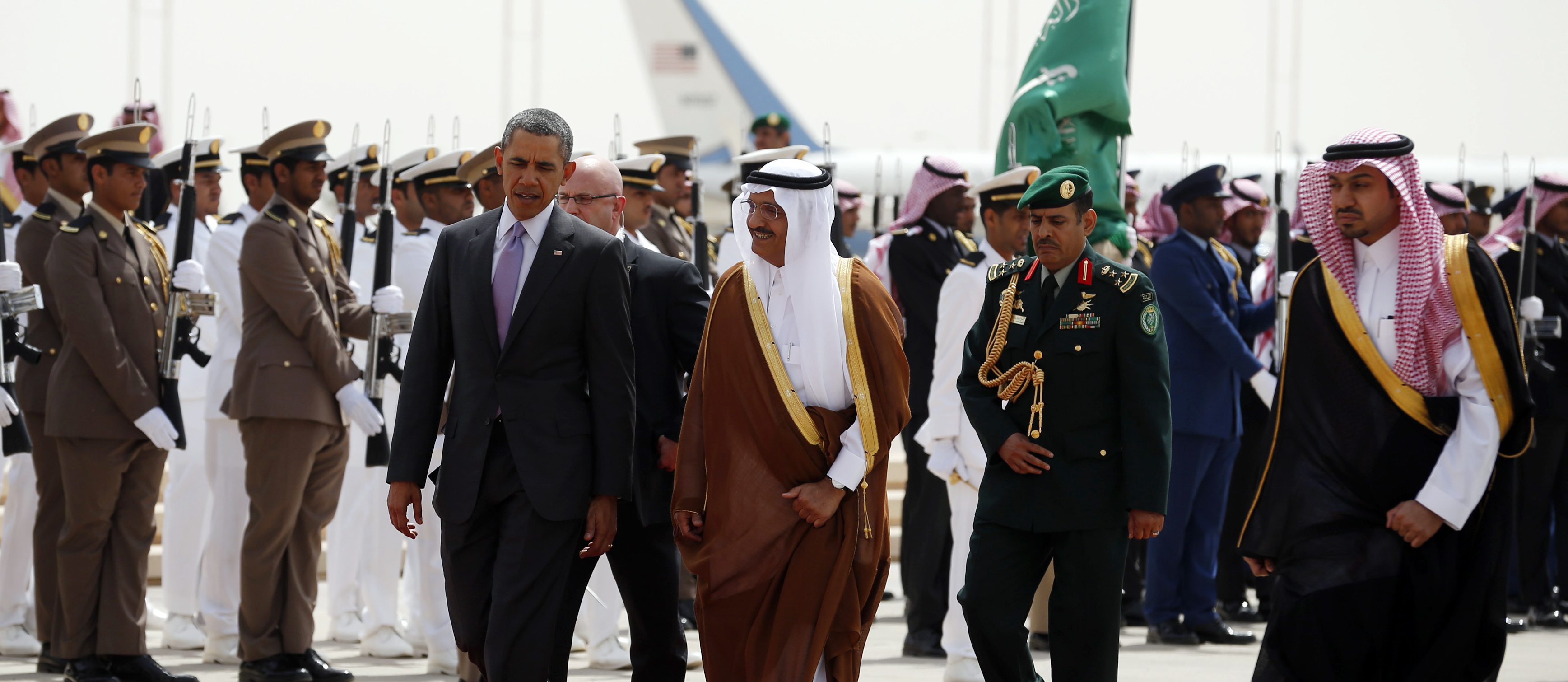
The concurrent diplomatic engagements of External Affairs Minister S. Jaishankar in the United Arab Emirates and Commerce Minister Piyush Goyal with Saudi counterparts signal a calculated transition from transactional bilateralism to integrated regional architecture. This dual-track diplomacy targets two distinct but interlocking objectives: the stabilization of the Comprehensive Economic Partnership Agreement (CEPA) with the UAE and the acceleration of the India-Middle East-Europe Economic Corridor (IMEC) through Saudi cooperation.
The UAE Nexus: From Trade Volume to Capital Integration
The UAE serves as the primary gateway for Indian capital and labor in the Gulf. However, the current phase of the relationship has moved beyond the raw exchange of energy for remittances. The structural logic of the UAE visit focuses on the "First-Mile/Last-Mile" integration of logistics. Building on this topic, you can find more in: Kinetic Diplomacy and the Mechanics of Credible Deterrence in US Iran Policy.
The Optimization of the CEPA Framework
While the 2022 CEPA reduced tariffs on over 80% of product lines, the current bottleneck is not the tax rate but the technical barriers to trade. The ministerial focus is now on:
- Standards Harmonization: Aligning SPS (Sanitary and Phytosanitary) measures to ensure Indian agricultural exports meet Gulf standards without repeated testing cycles.
- Digital Payment Interoperability: The linkage of India’s UPI with the UAE’s AANI system functions as a friction reduction mechanism, lowering the transaction cost of cross-border settlements by an estimated 3% to 5%.
The UAE's role as a re-export hub means that Indian goods entering Dubai are often destined for North Africa or the Levant. Establishing a permanent "Bharat Mart" in Jebel Ali represents a move toward vertical integration, allowing Indian SMEs to control their distribution narrative within the Middle East rather than relying on third-party aggregators. Observers at NPR have provided expertise on this matter.
The Saudi Variable: Industrial Complementarity and Energy Security
The dialogue between Minister Goyal and his Saudi counterpart shifts the focus toward long-term asset accumulation and the Saudi Vision 2030 roadmap. The relationship is governed by a "Capital-Resource Swap" model where India provides the market and technical labor while Saudi Arabia provides the liquid capital and feedstock.
The Energy-Fertilizer Loop
India’s food security is fundamentally tied to Saudi energy outputs. Natural gas is the primary input for urea and DAP (Di-ammonium Phosphate) production. The strategic logic here involves moving away from spot-market volatility toward equity stakes in Saudi petrochemical clusters.
- Feedstock Guarantee: Securing long-term gas supply contracts at preferential rates in exchange for Indian investment in Saudi downstream facilities.
- Reverse Investment: Encouraging the Public Investment Fund (PIF) to allocate capital toward India’s National Investment and Infrastructure Fund (NIIF), specifically targeting green hydrogen and renewable grids.
The IMEC Throughput Analysis
The India-Middle East-Europe Economic Corridor (IMEC) is frequently discussed as a geopolitical counterweight, but its primary function is the reduction of transit time. The Saudi segment is the most significant land bridge in this corridor. The talks aim to solve the "Gauging Problem"—the technical challenge of ensuring that rail systems across the Arabian Peninsula can handle standardized container loads originating from Indian ports like Mundra or JNPT.
The Geopolitical Risk Buffer
The timing of these visits is a response to regional volatility. By deepening ties with both Abu Dhabi and Riyadh simultaneously, India is hedge-funding its regional stability.
The Security-Economic Paradox
Economic integration acts as a deterrent to regional escalation. When the UAE and Saudi Arabia have billions of dollars tied to Indian infrastructure and vice versa, the cost of regional disruption increases. This creates a "Mutual Dependency Shield." The India-UAE-Israel-US (I2U2) grouping provides the security subtext to these economic talks, though the current focus remains strictly on the commercial viability of trade routes in the face of Red Sea instability.
Countering Supply Chain Fragility
The reliance on the Suez Canal has proven to be a single point of failure. The strategic pivot toward a multi-modal path (Sea-to-Rail-to-Sea) through Saudi Arabia and the UAE reduces India's "Suez Exposure." This is not merely about speed; it is about redundancy. A 10% diversion of trade to a land-based Gulf corridor provides a necessary buffer against maritime blockades or insurance premium spikes in the Bab el-Mandeb strait.
Structural Constraints and Execution Gaps
Despite the diplomatic momentum, three primary bottlenecks remain:
- Regulatory Divergence: Saudi Arabia’s "Saudi First" localization policies (Nitaqat) can conflict with India’s desire to export services and labor.
- Infrastructure Capitalization: The rail links required across the Saudi desert for IMEC require massive upfront Capex, the ROI of which is tied to long-term regional peace.
- Currency Volatility: While Rupee-Dirham trade has been initiated, its scalability is limited by the Dirham's peg to the US Dollar, which prevents a truly independent currency ecosystem.
Strategic Recommendation
The immediate priority for Indian stakeholders must be the formalization of a "Customs Green Channel" between the UAE and India to maximize the utility of the CEPA. Simultaneously, the focus with Saudi Arabia should shift from crude oil procurement to "Joint Refinery Ownership." By owning the refining capacity in-country, India can mitigate the price volatility of the Brent crude benchmark. The success of this dual-track diplomacy depends on converting high-level Memorandums of Understanding (MoUs) into project-level SPVs (Special Purpose Vehicles) within the next 24 months. Failure to move from the ministerial talk to the engineering phase will allow competing corridors to capture the projected trade growth between South Asia and the Mediterranean.