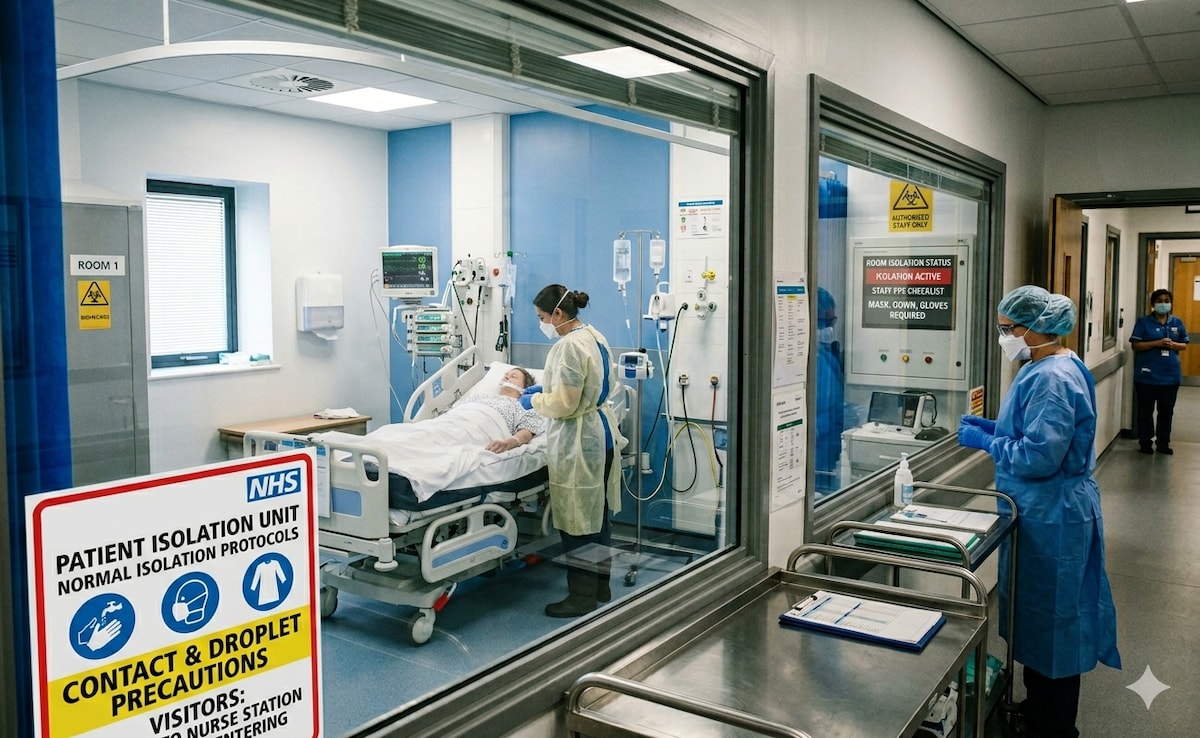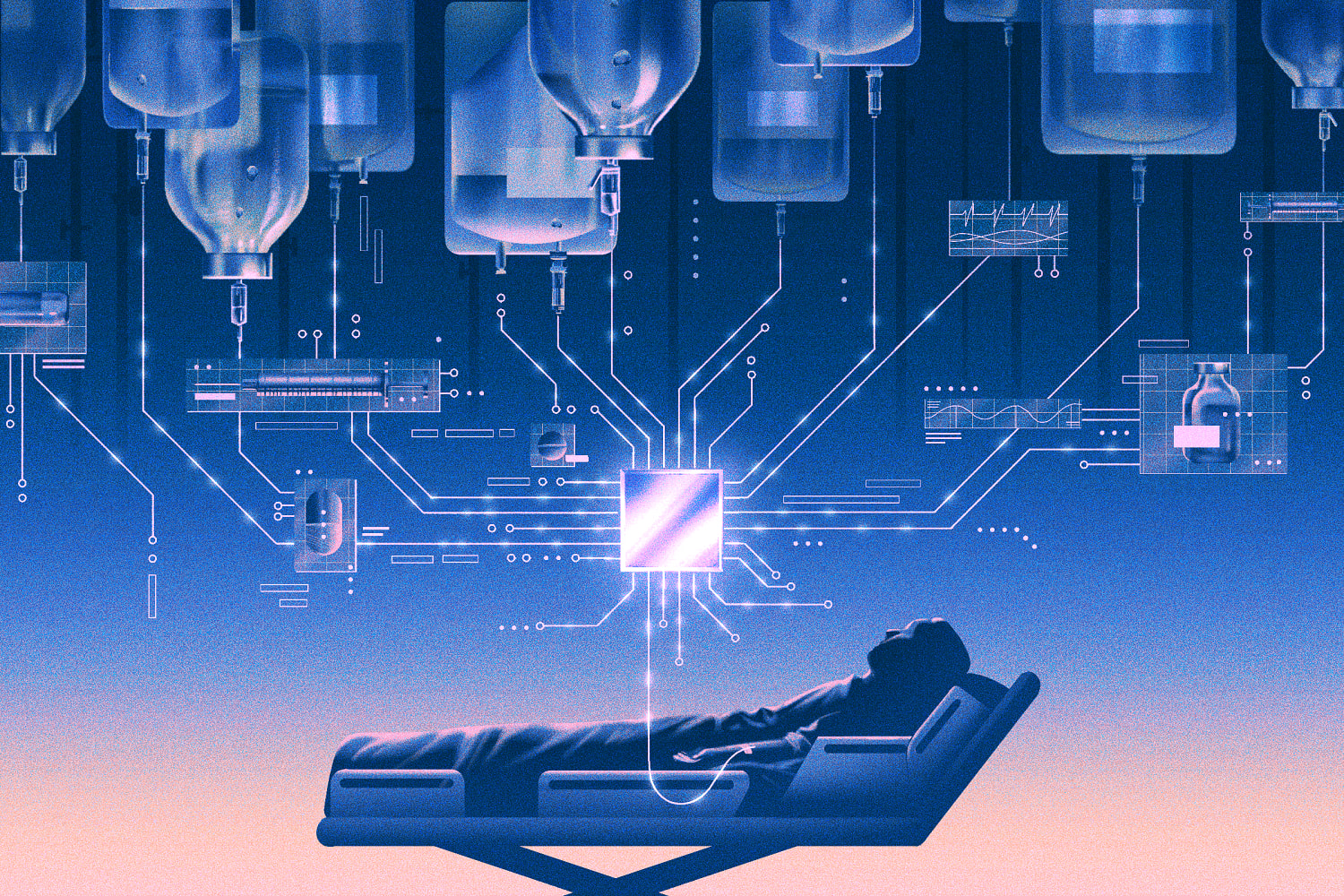
The modern clinical encounter is defined by a paradox of data: physicians spend two hours on administrative documentation for every one hour of direct patient care. This friction has birthed a massive, invisible adoption of Ambient Clinical Intelligence (ACI) within U.S. healthcare systems. While public discourse focuses on the risks of diagnostic AI, the actual revolution is occurring in the "back office" of the exam room. Large Language Models (LLMs) are now being deployed at scale to listen to, transcribe, and structure the messy, non-linear dialogue of a doctor's visit into a formalized medical record. This transition from manual data entry to automated ambient capture represents a fundamental shift in the economic and operational physics of medicine.
The Mechanics of Ambient Capture
To understand why this technology is proliferating without patient fanfare, one must define the three technical layers of an ambient scribe system.
- The Acoustic Layer: Far-field microphones (often via a smartphone or specialized hardware) capture multi-party audio. The primary technical hurdle here is "diarization"—the ability of the system to distinguish between the physician, the patient, and a family member in a noisy environment.
- The Semantic Processing Layer: The raw transcript is processed by an LLM trained on clinical taxonomies. This layer identifies "medically significant events," ignoring irrelevant small talk about the weather while tagging symptoms, durations, and physical exam findings.
- The Structuring Layer: The processed data is mapped into the SOAP (Subjective, Objective, Assessment, and Plan) format required by Electronic Health Records (EHR).
The efficiency gain is not incremental; it is logarithmic. Early data suggests that ambient tools reduce documentation time by 50% to 70%, effectively returning 2-3 hours of "pajama time" (after-hours charting) to the clinician.
The Information Asymmetry and the Consent Gap
A significant portion of patients remain unaware of these tools because they occupy a legal and psychological gray area. Unlike a diagnostic AI, which suggests a treatment and thus requires explicit clinical validation and often patient disclosure, an ambient scribe is categorized as a productivity tool—a digital version of a human medical scribe.
The lack of transparency stems from the Documentation-Disclosure Friction. Physicians fear that explicitly stating "an AI is listening to us" will induce the "observer effect," where patients withhold sensitive information (e.g., substance use or sexual history) due to privacy concerns. Consequently, many health systems bury the use of these tools within broad "Terms of Treatment" or "Notice of Privacy Practices" documents signed in the waiting room.
This creates a structural vulnerability. While the HIPAA (Health Insurance Portability and Accountability Act) framework governs the storage of this data, it does not adequately address the biometric nature of voice recordings or the potential for that data to be used by vendors to further train proprietary models.
The Cost Function of Manual Documentation vs. Automated Intelligence
The adoption of AI in the clinic is driven by a brutal economic reality. The burnout rate among U.S. physicians exceeds 50% in many specialties, a phenomenon directly correlated with "click fatigue" within EHR systems.
The Economic Variables of the Documentation Crisis:
- Opportunity Cost: Every minute a surgeon spends typing is a minute not spent in the OR.
- Attrition Risk: Replacing a primary care physician costs a health system between $250,000 and $500,000 in recruitment and lost billing.
- Coding Accuracy: Human doctors often under-code their visits because they are too tired to document the full complexity of a case. AI scribes are "exhaustive observers," ensuring every billable nuance is captured, which can increase revenue per encounter by 5% to 12%.
The "quiet" nature of this rollout is a tactical choice by health system CFOs. By framing AI as a clerical assistant rather than a medical peer, they bypass the rigorous regulatory hurdles of the FDA’s Software as a Medical Device (SaMD) classifications while still reaping the productivity dividends.
Hallucination Risk in a Clinical Context
A critical limitation of current LLM-based scribes is the "Hallucination of Presence." This occurs when the model, optimized for narrative flow, "fills in" parts of a physical exam that did not actually happen. If a doctor mentions a patient's heart rate was normal but never actually performed the auscultation, a poorly tuned AI might generate a sentence like "Heart sounds were normal S1, S2, no murmurs."
The safeguard currently in place is the "Human-in-the-Loop" (HITL) requirement. The physician is legally the "author" of the note and must review and sign off on the AI-generated text. However, as the volume of patients increases, the "Automation Bias" takes hold—physicians become more likely to skim the AI's output and sign off on subtle errors. Over time, these errors propagate through the patient's longitudinal record, creating a "data debt" that could lead to future diagnostic errors.
The Transformation of the Patient-Provider Relationship
The removal of the computer screen from the center of the exam room is the most profound psychological shift. For two decades, the "third party in the room" has been the monitor. By moving the documentation to the background, the "Gaze Ratio" (the amount of time a doctor looks at the patient vs. the screen) improves significantly.
However, this shift introduces the Standardization Trap. AI scribes perform best when the conversation is structured. There is a subtle, subconscious pressure on the physician to speak in a way the AI understands—to verbalize physical findings clearly ("I am now palpating the abdomen; there is no tenderness") and to guide the patient back to a linear narrative. This "algorithmic grooming" of the clinical encounter may lead to a more efficient but less empathetic form of medicine.
Data Sovereignty and the Vendor Lock-in
Health systems are currently in a "land grab" phase, partnering with companies like Microsoft (Nuance/DAX), Amazon (AWS HealthScribe), and various startups. This creates a significant risk of vendor lock-in. Once a hospital’s entire clinical workflow is integrated with a specific ambient intelligence provider, the cost of switching becomes prohibitive.
Furthermore, the "Value of the Data" is shifting. The gold mine is no longer the EHR itself, but the raw audio and processed transcripts that reveal how medicine is actually practiced, as opposed to how it is documented. This data is the raw material for the next generation of "Clinical Decision Support" (CDS) tools—AI that won't just listen, but will suggest diagnoses in real-time.
Strategic Recommendations for Healthcare Leadership
The transition to ambient intelligence is inevitable, but its "quiet" implementation is a short-term strategy with long-term liability. Organizations must pivot toward a "Visible AI" framework.
- Implement Granular Consent: Move beyond broad HIPAA disclosures. Patients should have a "Digital Privacy Toggle" allowing them to opt-out of AI-assisted documentation for specific, sensitive visits without affecting their quality of care.
- Audit for Algorithmic Drift: Establish internal "Accuracy Committees" to conduct spot checks comparing raw encounter audio against the AI-generated SOAP notes. This is the only way to quantify the rate of clinical hallucinations.
- Redefine the "Author" Role: Training for medical students must shift from writing notes to editing and validating machine-generated data. The skill of the future is not documentation, but clinical verification.
- Hedge Against Vendor Consolidation: Prioritize ambient tools that utilize open standards and allow for easy data portability. The clinical record must remain an asset of the patient and the provider, not a proprietary data stream for the software vendor.
The focus must remain on the structural integrity of the medical record. If the foundational data—the very story of the patient’s health—is compromised by unchecked automation, the entire edifice of evidence-based medicine is at risk. The goal is not merely to save time, but to use that saved time to restore the clinical rigor that manual documentation has eroded.