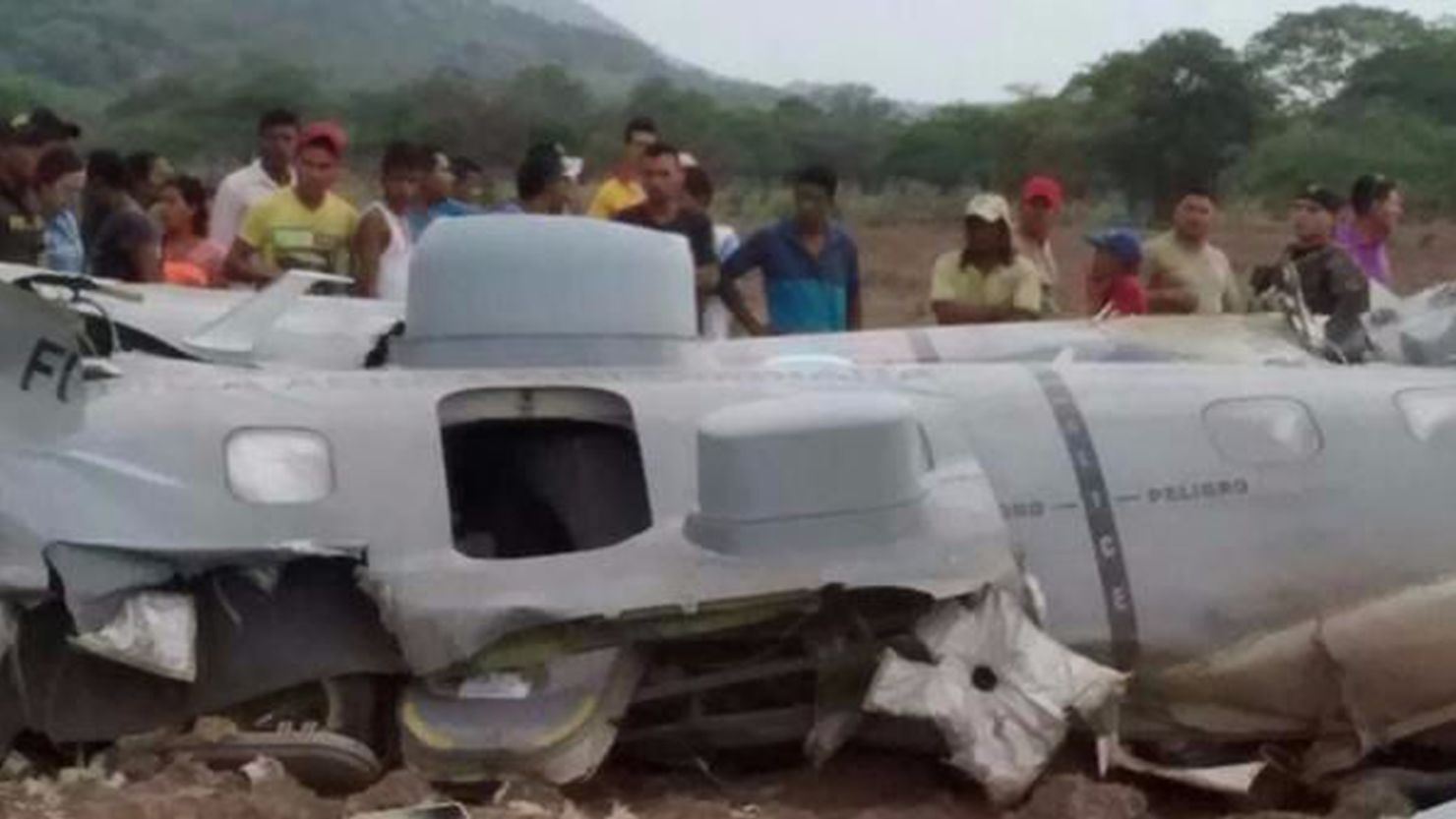
Air travel is generally safer than driving to the grocery store, but when things go wrong, the stories that emerge are often gut-wrenching. The recent Air Canada incident at LaGuardia Airport is one of those moments that stops everyone in their tracks. It’s a story of a veteran pilot whose career ended in a split-second tragedy and a flight attendant who somehow walked away from a wreckage that looked unsurvivable.
People often look for a single reason why a plane goes down. They want a "black box" answer that fixes everything. But aviation accidents are rarely that simple. They’re usually a "Swiss cheese" model of failures—small gaps in safety that align perfectly at the worst possible moment. At LaGuardia, a notoriously difficult airport even on a sunny day, those gaps lined up with devastating precision.
The Pilot Who Did Everything Right Until He Couldn't
The captain of the Air Canada flight was a man known for his meticulous nature. Colleagues described him as the kind of pilot who lived for the checklist. He wasn't a risk-taker. He was a professional with thousands of hours in the cockpit, many of them logged on the challenging approaches into New York City. Seeing his face in the news after the crash felt wrong to those who knew him. It didn't fit the narrative of a man who spent his life ensuring everyone else got home safe.
LaGuardia is a pilot’s nightmare. The runways are short. They're surrounded by water. You’ve got some of the busiest airspace in the world stacked right on top of you. On the day of the crash, the weather wasn't doing anyone any favors. Low visibility and shifting winds turned a routine landing into a high-stakes game of physics.
When the plane clipped the perimeter fence and slammed into the tarmac, the cockpit took the brunt of the initial impact. The structural integrity of the nose of an aircraft is designed to withstand a lot, but not a direct vertical shear at landing speeds. The pilot died almost instantly. It’s a harsh reality of the job. The person at the front is the first to face the consequences of a mechanical failure or a sudden microburst. He died trying to wrestle a multi-ton machine back into some semblance of control.
Why Some People Survive the Unsurvivable
While the aviation world mourned the pilot, the media quickly pivoted to the "miracle stewardess." It’s a catchy headline, sure. But calling it a miracle sometimes ignores the training and the sheer physics involved in surviving a crash.
The flight attendant was positioned in the rear of the aircraft. In many crash scenarios, the tail section breaks away or remains more intact because it isn't the primary point of impact. It’s often the safest place to be, though "safe" is a relative term when you're strapped into a seat while a plane disintegrates around you.
She didn't just survive by luck. She survived because she was strapped in exactly as the safety protocols dictate. She followed the "brace" position that most passengers ignore during the pre-flight safety demo. When the plane stopped moving and the cabin filled with smoke and the smell of jet fuel, she didn't freeze. Her training kicked in. She managed to get herself out and help others before the fire spread. That’s not just a miracle. It’s what happens when professional preparation meets a sliver of opportunity.
The Brutal Reality of LaGuardia Airport
If you’ve ever flown into LaGuardia, you know the feeling. The water looms large outside the window, and then—thump—you’re on the ground. There’s no room for error. The airport was built in an era when planes were smaller and slower. Now, it handles massive jets with a frequency that seems impossible.
The National Transportation Safety Board (NTSB) has looked at LaGuardia for decades. They’ve pushed for longer "runway safety areas"—those patches of ground at the end of a runway meant to catch a plane that overshoots or undershoots. But you can't just grow land where there's water. They’ve installed EMAS (Engineered Materials Arresting System), which is basically "crushable concrete" that slows a plane down like a runaway truck ramp on a highway.
In this specific Air Canada crash, the plane didn't just overshoot. It hit the "lip" of the runway. This happens when the glide slope isn't maintained, often due to sudden wind shear or a mechanical glitch with the landing gear. When a plane hits that edge, the landing gear can be driven up through the wings or the fuselage. It turns a rough landing into a catastrophic breakup.
What This Means for Future Flights
Whenever a high-profile crash like this happens, the public gets nervous. You start looking at the wing more closely. You listen for every weird hum in the engine. That’s a natural reaction to a traumatic event. But the real work happens in the rooms where engineers and safety inspectors sit.
They’re going to look at three main things:
- Pilot Fatigue: Even a veteran makes mistakes if they’ve been flying too many legs in a short window.
- Maintenance Records: Was there a known issue with the altimeter or the flaps that was "deferred" for later?
- The Environment: Did the air traffic controllers give the pilot the most up-to-date weather data for that specific runway?
We don't get these answers overnight. It takes months of metallurgical testing and flight data recorder analysis. But the preliminary photos of the wreckage tell a clear story. The aircraft was subjected to forces it was never meant to handle. The fact that anyone walked away is a testament to modern seat design and fire-retardant materials.
How to Protect Yourself as a Passenger
You can't control the pilot. You can't control the wind. But you can change your odds. Most people think they're powerless in a crash, but that's a myth. Survival is often a matter of seconds and small choices.
First, stop wearing flip-flops or high heels on a plane. If you have to run through a debris field or onto a wing covered in slippery foam, you want real shoes. Second, count the rows to the exit. If the cabin is dark and full of smoke, you need to be able to find that door by touch. Third, keep your seatbelt low and tight across your hips, not your stomach. It keeps you in the seat during a hard impact rather than letting you slide out or suffering internal organ damage.
The Air Canada pilot didn't have those choices. He was in the "dead man's seat" when the physics of the crash became too much. The stewardess did. She used every second she had.
If you’re traveling soon, don't let the fear of a rare accident ruin your trip. Instead, use that nervous energy to actually pay attention to where the exits are. Understand that the crew isn't just there to serve drinks—they’re there to get you out of a burning tube if things go sideways. Respect the process, and remember that even in the middle of a tragedy, there are always stories of resilience that change how we look at the sky.
Keep your shoes on during takeoff and landing. It’s the simplest thing you can do to stay ready. Check the safety card once. It won't kill you to be prepared.