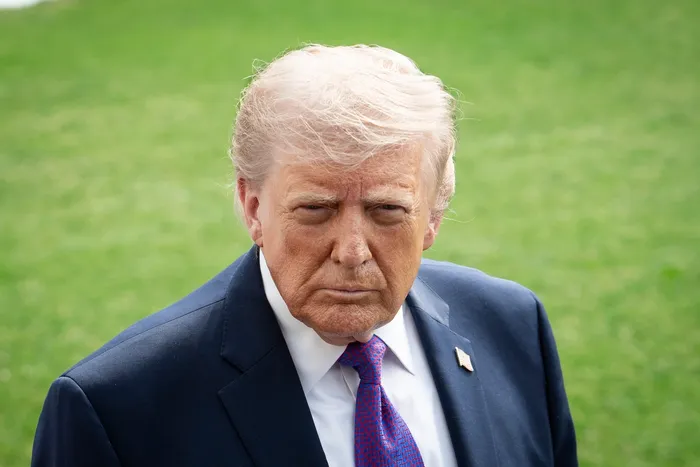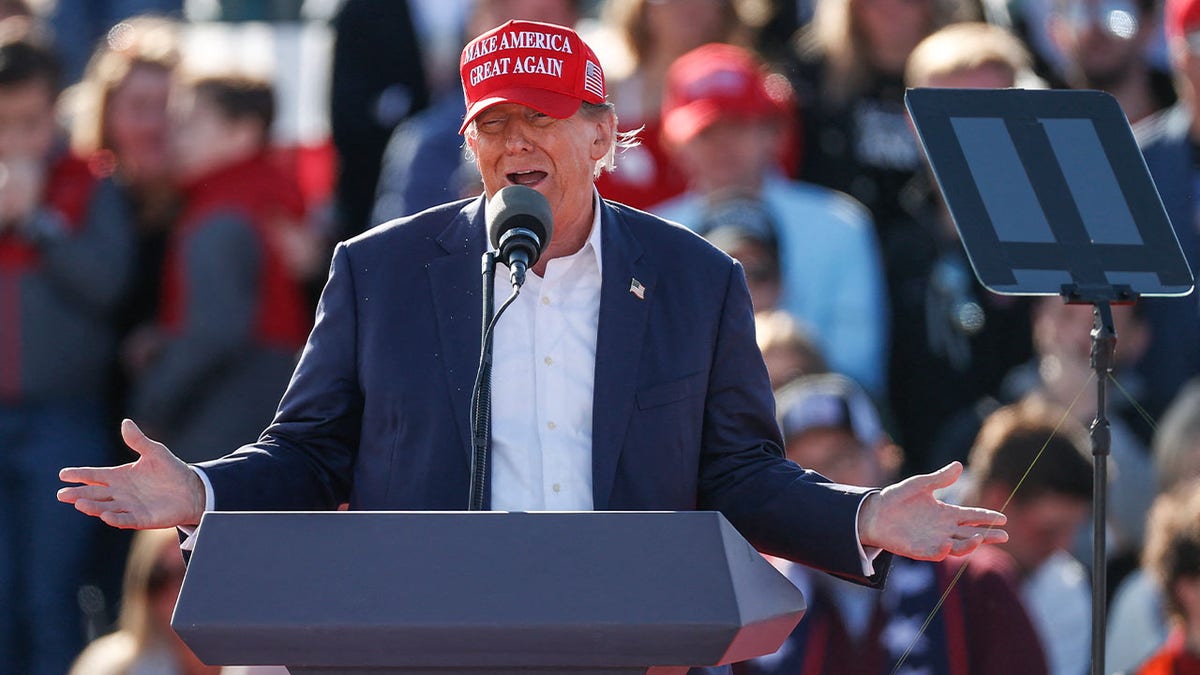
The Strait of Hormuz is essentially the jugular vein of the global energy market. If it gets squeezed, the world economy feels the pressure almost instantly. Right now, President Donald Trump is demanding that the countries most dependent on this narrow waterway—specifically Japan, China, and South Korea—start ponying up to protect their own oil tankers. It's a classic Trump move: a blunt, transactional approach to a problem that’s been festering for decades. He’s essentially asking why the U.S. is playing security guard for free.
The Burden of Protecting the World's Oil
For years, the U.S. Navy has been the primary force keeping the shipping lanes open in the Persian Gulf. Trump’s logic is hard to ignore from a purely financial standpoint. About 20% of the world's oil flows through that tiny 21-mile-wide gap. But here's the kicker: the U.S. is now a net exporter of energy. We don't need that oil nearly as much as we used to. Japan, on the other hand, gets roughly 80% of its crude from the Middle East. China is in a similar boat. If you enjoyed this piece, you might want to read: this related article.
Trump took to social media to vent his frustration, pointing out that China and Japan get the lion's share of their energy through the Strait. He wants them to provide their own protection. It’s a fair question. Why should American taxpayers and sailors shoulder the entire risk for a supply chain that feeds Tokyo and Beijing?
Japan and Australia are Not Ready to Sign Up
Despite the pressure, the response from key allies has been a resounding "not yet." Japanese Prime Minister Sanae Takaichi was clear: Japan has no immediate plans to send navy vessels to the Middle East. Japan’s pacifist constitution makes this incredibly complicated. They can’t just send warships into a potential combat zone without a massive legal headache. Takaichi mentioned they are looking at what they can do "independently," which is diplomatic speak for "we’ll think about it, but don't hold your breath." For another angle on this story, see the recent update from The New York Times.
Australia is also keeping its distance. Despite being a staunch U.S. ally, Australian officials have stated they haven't even been formally asked to contribute ships to this specific "coalition" and aren't planning to do so. It shows a growing reluctance among allies to get sucked into another Middle Eastern conflict, especially one where the rules of engagement are murky at best.
The Risks of a Blockaded Strait
The tension isn't just theoretical. Iran has already proven it can mess with shipping whenever it wants. We’ve seen limpet mines, seized tankers, and drone strikes. If the Strait actually closes, oil prices won't just rise; they'll skyrocket. We’re talking about a jump from $100 to potentially $150 or $200 a barrel in a matter of weeks.
Why This Matters to You
- Gas Prices: Even if we produce our own oil, the price is set globally. If Hormuz closes, you'll pay more at the pump.
- Inflation: Everything you buy is moved by fuel. High oil prices mean more expensive groceries and electronics.
- Alliance Stability: This isn't just about ships; it's about whether the U.S. will keep footing the bill for global stability.
What's Actually Going to Happen
Don't expect a massive international fleet to appear overnight. Most countries are terrified of provoking Iran. China is trying to play both sides, buying Iranian oil while hoping the U.S. keeps the lanes open. Japan is stuck between its energy needs and its legal limits.
The U.S. will likely continue its "maximum pressure" campaign, but Trump’s demand serves as a warning. The era of the U.S. Navy acting as a free security service for the world’s energy trade is coming to an end. If you’re an investor or just someone worried about the cost of living, keep a close eye on the Persian Gulf. The next few weeks will tell us if this is just tough talk or the start of a massive shift in how the world’s oil is protected.
If you want to stay ahead of the curve, start watching the Brent Crude futures. They’re the most honest indicator of how much the market actually fears a shutdown. Don't wait for the headlines to tell you the price of gas is going up—the data is already there.