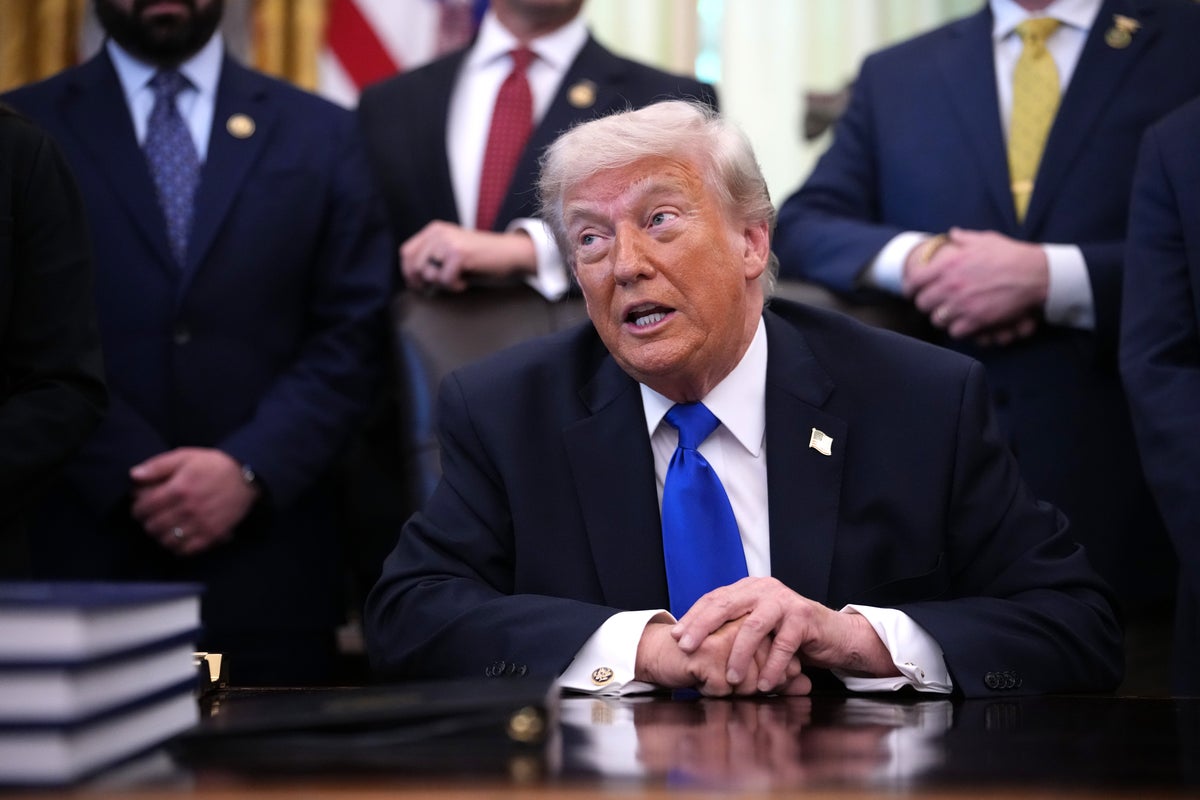
The betting world has a weird way of looking at reality. Right now, Donald Trump is the frontrunner to win the 2026 Nobel Peace Prize. You’d think a shooting war with Iran would disqualify a sitting president from an award literally named after peace, but the odds suggest otherwise. As of late April, bookmakers have Trump sitting at roughly 2/1 odds—a massive 33% implied probability of taking home the medal.
It’s easy to dismiss this as just a marketing stunt by betting sites, but there’s a logic to it that goes beyond the headlines. In the world of high-stakes gambling, "peace" isn't necessarily about the absence of conflict; it's about the perceived ability to end one. With a fragile ceasefire currently holding between the U.S. and Iran, gamblers are betting that the man who started the fire is the only one who can put it out. For an alternative perspective, consider: this related article.
The logic behind the odds
The Norwegian Nobel Committee doesn't talk. They keep their list of 287 candidates locked away for 50 years. However, we know Trump has been nominated by leaders in Israel, Cambodia, and Pakistan. That gives him a foot in the door.
Bookies look at momentum. They saw how the administration claimed hostilities with Iran were "terminated" just yesterday to dodge a Congressional war powers deadline. Even if the war feels stalemated to everyone else, the official narrative is one of "mission accomplished." This creates a bizarre scenario where the cessation of a war you started counts as a peace achievement. Similar reporting on the subject has been published by The New York Times.
Who else is in the running
If you aren't sold on the Trump narrative, the betting markets offer a few more traditional alternatives.
- Sudan’s Emergency Response Rooms: These are local volunteers doing the heavy lifting in a brutal civil war. They’re sitting at 3/1.
- Doctors Without Borders: A perennial favorite for their frontline medical work, currently at 13/2.
- Yulia Navalnaya: Carrying the torch for the Russian opposition, she remains a sentimental and political heavyweight at 11/1.
Why the Iran war didn't kill his chances
The conflict that began on February 28, 2026, has been nothing short of chaotic. From the closure of the Strait of Hormuz to the $1.45 trillion military budget request from Defense Secretary Pete Hegseth, the costs are staggering. But here’s why the Nobel dream is still alive: the "Peace through Strength" brand.
Trump’s supporters and certain international nominators argue that his aggressive stance forced Iran to the table. By the time the April ceasefire was inked, the administration began framing the entire eight-week conflict as a surgical necessity that prevented a much larger global catastrophe. In the eyes of a bookmaker, if the Nobel Committee wants to reward the "stabilization" of the Middle East, they often look at the biggest player on the board.
Historically, the Nobel Committee has made controversial picks before. Henry Kissinger won it while the Vietnam War was still raging. Barack Obama won it basically for not being George W. Bush before he’d even finished his first year in office. The precedent for "aspirational" peace prizes is well-established.
The gamble on a stalemate
There’s a massive gap between what the Pentagon says and what’s happening on the ground. While the administration claims victory, the U.S. Senate is a cage match. Democrats are pushing for war powers resolutions, and even some Republicans like Lisa Murkowski are demanding a "credible plan" instead of open-ended strikes.
If you’re looking to place a bet, don’t just look at the odds. Look at the October 9 announcement date. For Trump to move from "betting favorite" to "laureate," that ceasefire has to hold through the summer. If the Strait of Hormuz closes again or if the "terminated" hostilities resume, those 2/1 odds will evaporate faster than a campaign promise.
If you’re following this for the geopolitics and not just the gambling, watch the Congressional hearings. The real story isn't in Oslo; it's in the $1.45 trillion being spent to maintain a peace that currently looks a lot like a stalemate. Keep an eye on the fuel prices and the war powers deadlines in May. That’s where the real "peace" will be decided.