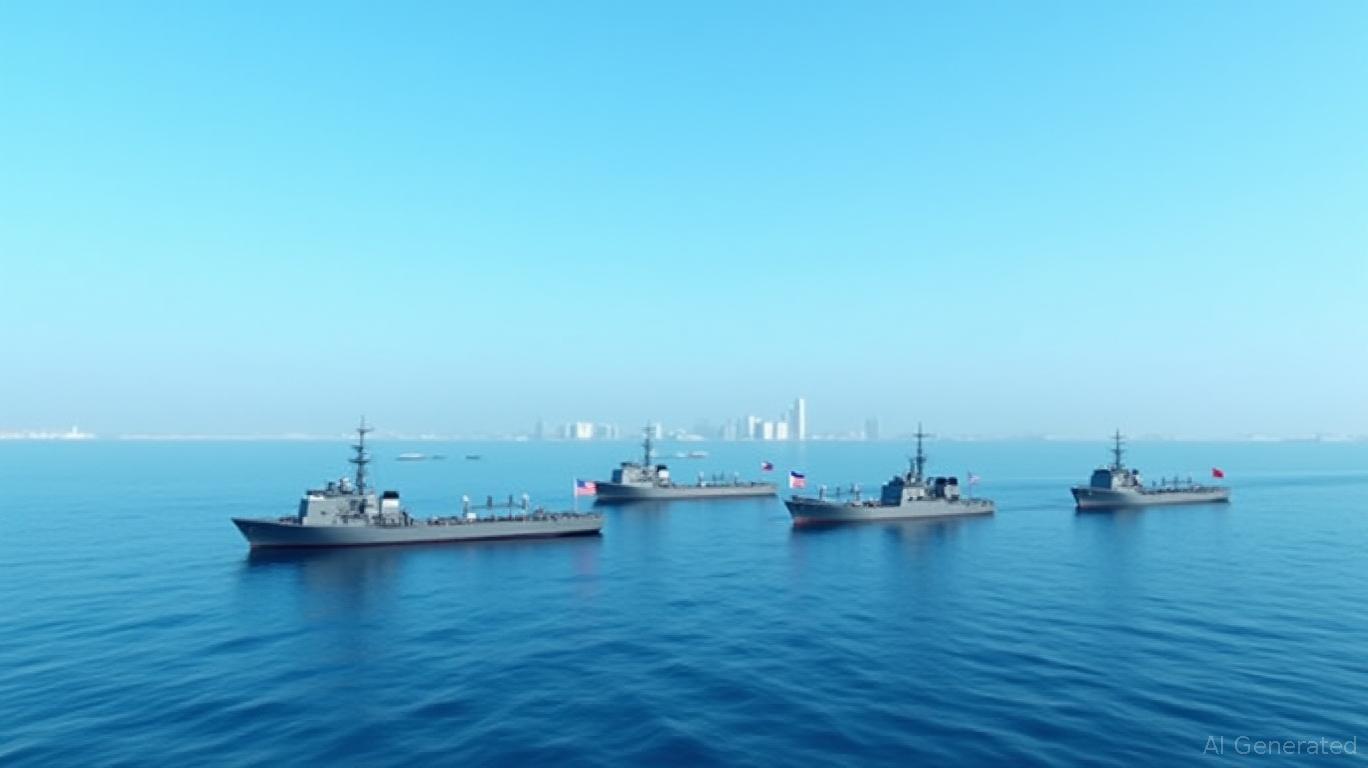
The Gulf of Oman is a powder keg right now. Tehran isn't just making threats anymore; they're actively hitting back with drones and military action that has sent shockwaves through the global energy market. Crude oil prices didn't just rise—they spiked. You're seeing the direct result of a high-stakes chess match between Donald Trump's aggressive foreign policy and Iran’s refusal to back down. This isn't just another headline. It’s a shift in how energy security looks in 2026.
If you’re wondering why your gas prices are suddenly creeping up or why the stock market is twitchy about energy futures, look no further than the narrow waters of the Middle East. Iran’s recent drone maneuvers in the Gulf of Oman are a blatant response to the "Maximum Pressure" tactics coming out of Washington. When Tehran feels cornered, they squeeze the world’s most vital oil artery. They know it hurts the West where it counts: the wallet.
The Drone Factor and the Sudden Jump in Crude
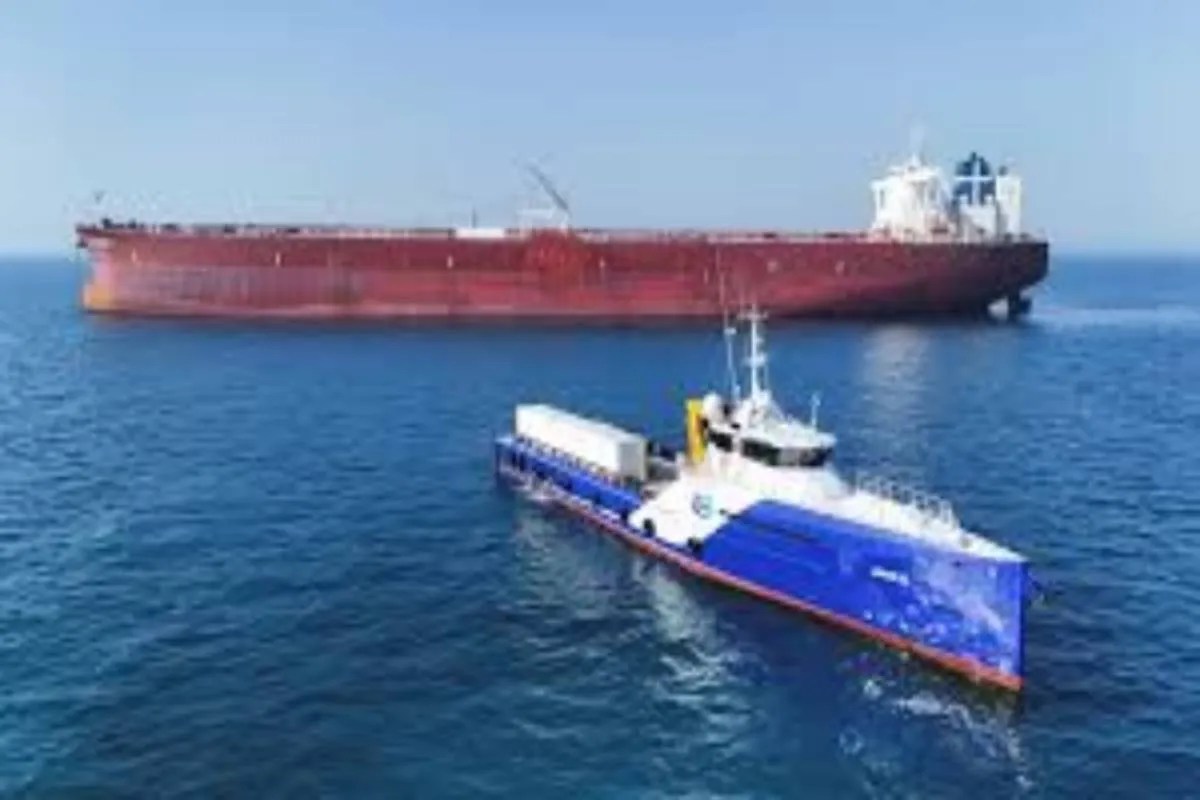
Tehran’s decision to launch drones in the Gulf of Oman wasn't accidental. It was a calculated display of force. These weren't surveillance birds. We're talking about loitering munitions designed to intimidate shipping lanes. The moment those drones took flight, Brent crude futures surged past expectations. Traders hate uncertainty. Nothing screams "uncertainty" like explosives flying over tankers carrying millions of barrels of oil.
The impact was immediate. Within hours of the reported strikes, oil prices jumped significantly. It’s a classic supply-side scare. If the Strait of Hormuz or the Gulf of Oman becomes a no-go zone, the global supply chain breaks. Iran understands this leverage perfectly. They're using a relatively cheap technology—drones—to manipulate a multi-trillion dollar market. It's asymmetric warfare at its most effective.
You have to look at the numbers to see the gravity. We saw a price increase of nearly 4% in a single trading session. For a market that usually moves in fractions of a percent, that’s a massive swing. It reflects a deep-seated fear that this isn't a one-off event. It’s a pattern.
Why Trump Policy Pushed Iran to the Brink
Donald Trump's return to a hardline stance has completely changed the diplomatic atmosphere. His administration’s focus on cutting off Iran’s economic lifelines has left Tehran with few options. Sanctions are back with a vengeance. The goal is simple: starve the regime of cash until they agree to a much stricter nuclear deal. But Iran isn't playing by those rules.
I've watched this cycle before. Sanctions lead to desperation, and desperation leads to aggression. By targeting Iran’s oil exports, the U.S. essentially told Tehran that if they can’t sell their oil, nobody else should feel safe transporting theirs. That’s why we’re seeing drones in the Gulf. It’s Iran’s way of saying, "If we go down, we’re taking the global energy market with us."
Critics argue this approach is too risky, while supporters say it’s the only way to handle a rogue state. Regardless of where you stand, the result is a more volatile world. The rhetoric coming out of the White House is blunt. There’s no room for "strategic patience" anymore. It’s action and reaction, and right now, the reactions are involving high-grade explosives.
The Strategic Importance of the Gulf of Oman
Most people don't realize how much of the world's energy passes through this specific stretch of water. It’s the gateway to the Persian Gulf. Every day, roughly 20 million barrels of oil flow through this region. That’s about 20% of global consumption. If Iran decides to park a fleet of drones there, the insurance rates for tankers skyrocket.
When insurance costs go up, so does the price at the pump. It’s a direct line. Shipping companies are already rerouting or demanding naval escorts. This adds layers of cost and delay to an already stressed global economy. Tehran knows that even if they don't sink a ship, just the threat of an attack is enough to cause economic chaos.
Market Reactions and Energy Security Realities
Wall Street is on edge. Energy analysts are rewriting their forecasts for the quarter because nobody predicted this level of escalation so quickly. We’re seeing a flight to safety in the markets. Gold is up. Defense stocks are up. But for the average person, it just means everything gets more expensive.
You can't talk about oil without talking about inflation. Higher energy costs feed into everything—food, shipping, manufacturing. If this standoff continues, the "soft landing" economists were hoping for might turn into a very hard thud. The volatility we're seeing in crude is a warning sign. It's a signal that the era of cheap, stable energy might be on a temporary—or permanent—hiatus.
Tactical Shifts in Modern Warfare
What’s truly fascinating (and terrifying) is how Iran is using tech. These aren't the billion-dollar jets the U.S. flies. These are relatively low-cost drones that can be mass-produced. They can swarm. They can evade traditional radar. They're the perfect tool for a nation that can’t compete with the U.S. Navy head-on.
This shift to drone warfare means the old ways of protecting shipping lanes are outdated. You can't always see these things coming until they're right on top of a tanker. It forces the U.S. and its allies to spend millions on defense systems to shoot down drones that cost a few thousand dollars. It’s a losing game of math.
What Happens if the Conflict Scales Up
If this moves from drone "warnings" to actual ship seizures or direct hits on infrastructure, we're looking at a different world. $100-a-barrel oil wouldn't just be a possibility; it would be the floor. Some analysts are even whispering about $120 or $150 if the Strait of Hormuz is actually blocked.
Iran has threatened to close the Strait before. They usually don't, because it would hurt them too. But with the current level of sanctions, they might feel they have nothing left to lose. That’s the most dangerous point for any geopolitical player. When the "cost of doing nothing" becomes higher than the "cost of war," things get ugly fast.
Breaking Down the Domestic Impact in the U.S.
Don't think this is just a Middle East problem. This hits home. Trump’s base largely supports a "tough on Iran" stance, but that support gets tested when gas hits $5 a gallon in the Midwest. The administration is betting that American energy production—fracking and offshore drilling—can offset any global supply shocks.
But it’s not that simple. Oil is a global commodity. Even if the U.S. produces more, the price is still set on the world stage. If the Gulf of Oman is on fire, the price of a barrel in Texas goes up just as much as a barrel in London. It’s an interconnected web that you can’t just opt out of.
Essential Steps for Investors and Consumers
You need to watch the headlines closely, but look past the noise. Focus on the actual movement of tankers. Watch the "crack spread"—the difference between the price of crude and the products refined from it. This will tell you if the market thinks this is a short-term blip or a long-term crisis.
For the average person, it’s time to rethink energy consumption habits. If you're planning a long road trip or running a business that relies on transport, factor in a 15-20% increase in fuel costs for your budget. Don't assume prices will "normalize" anytime soon. We are in a new period of geopolitical risk where energy is the primary weapon.
Start looking at energy-diversified portfolios. Companies involved in drone defense and maritime security are likely to see increased demand. On the flip side, industries with thin margins that are sensitive to fuel costs—like airlines or trucking—are in for a rough ride. Stay informed, stay skeptical of easy solutions, and keep a close eye on those drones in the Gulf.