The Pentagon just confirmed it’s pulling 5,000 U.S. troops out of Germany. This isn’t some vague future plan or a campaign trail bluff. Defense Secretary Pete Hegseth signed off on the order, and the move is expected to wrap up within the next six to twelve months. If you’ve been following the tension between Washington and Berlin, you know this has been brewing for a long time.
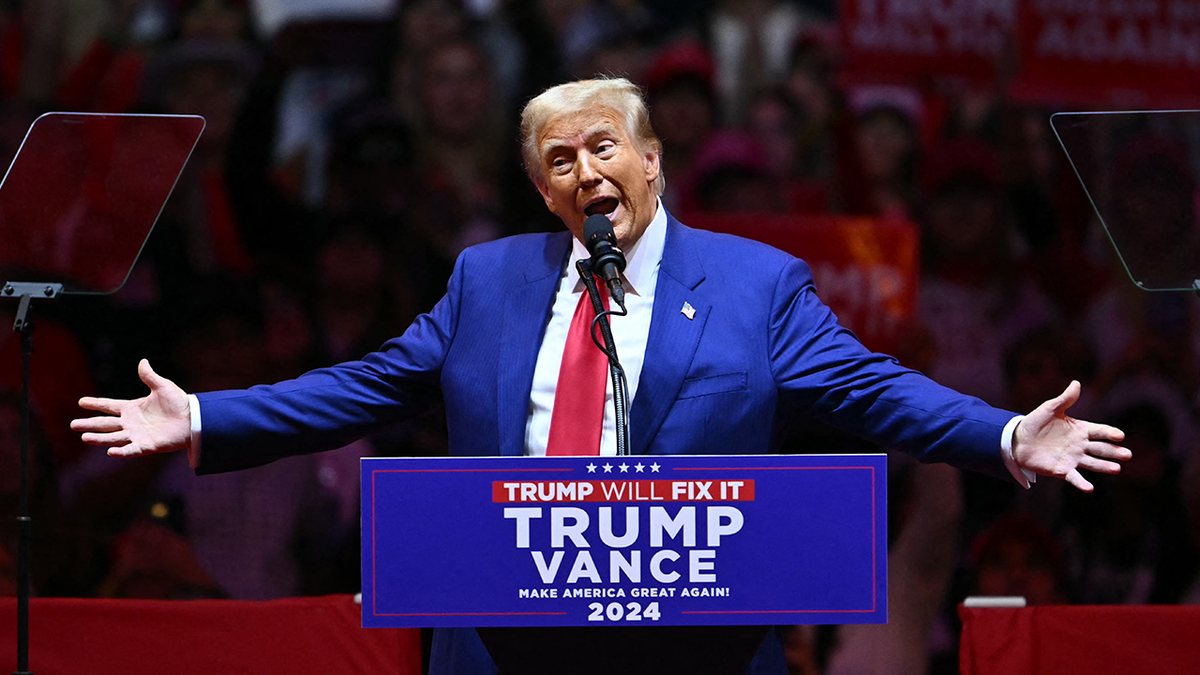
President Trump is frustrated. He’s tired of what he calls the "humiliation" of the U.S. in the Middle East while European allies sit on the sidelines. The breaking point seems to be a recent spat with German Chancellor Friedrich Merz over the ongoing war with Iran. Merz criticized the U.S. strategy—or lack thereof—and Trump responded the way he often does when he feels a partner isn't pulling their weight. He pulled the rug out from under the military relationship.
The real reason for the 5000 troop drawdown
It’s easy to look at this as just another budget cut, but it’s more personal than that. Germany has been the primary hub for American power in Europe since 1945. We have 36,000 troops there, along with massive installations like Ramstein Air Base and the Landstuhl medical center. For Trump, these bases aren't just strategic assets; they’re bargaining chips.
The official line from Pentagon spokesman Sean Parnell is that this follows a "thorough review of force posture." That’s polite government-speak. The reality is that Trump is making good on a threat he’s been leveling since his first term. He wants Germany to pay more for its own defense and, more importantly, he wants them to back his play against Iran. When Merz suggested the U.S. was being outplayed by Tehran, the troop withdrawal became a certainty.
Breaking down the numbers
This withdrawal represents about 14% of the total U.S. force in Germany. While 5,000 might not sound like a lot compared to the 300,000 we had during the Cold War, the timing is what matters. The U.S. is currently engaged in a massive military operation against Iran, and Germany is the logistical spine of that effort.
- Total U.S. troops in Germany: ~36,400
- Troops being removed: ~5,000
- Timeline: 6 to 12 months
- Remaining force: ~31,000
Why this isn't just about Germany
Don't think for a second that this stops at the German border. Trump has also been taking shots at Italy and Spain. He recently called out Italian Prime Minister Giorgia Meloni for a lack of "courage" regarding the Iran conflict. Spain is even worse off in his eyes, with rumors floating that the administration is looking for ways to effectively sideline them within NATO.
The message is clear. If you want the protection and the economic boost that comes with a U.S. military presence, you have to support U.S. foreign policy. Germany’s reliance on American "projection of power" is immense. Ramstein isn't just a base; it’s the gateway to Africa and the Middle East. Moving these troops isn't just a logistical headache—it’s a signal that the U.S. is willing to let the European security architecture crack if it doesn't get what it wants.
Strategic risks or necessary shakeup
Critics are already screaming that this is a "gift to Putin." Senator Jack Reed and other hawks argue that weakening our footprint in Germany makes the eastern flank of NATO vulnerable. They’re not entirely wrong. Russia has been watching the U.S.-Germany relationship deteriorate with a lot of interest.
But there’s another side to this. Some defense experts, like Nico Lange, point out that these bases primarily serve American interests anyway. They allow the U.S. to strike targets halfway across the world. If Germany wants to criticize the wars these bases support, Trump’s logic is that they shouldn't have the bases on their soil. It’s a messy, transactional way to run an alliance, but it's the reality of the current administration.
Logistics of a fast withdrawal
You can't just pack up 5,000 soldiers and their gear overnight. We’re talking about families, schools, and local economies that depend on "Ami" dollars. The 2026 National Defense Authorization Act (NDAA) actually has provisions meant to block permanent troop reductions in Europe below 75,000. Trump is pushing the limits of what he can do via executive order vs. what Congress will allow.
The Pentagon says the 5,000 troops will be gone within a year. Some will likely go home, but others might be shifted to "more appreciative" allies like Poland or Romania. These countries have been begging for more U.S. boots on the ground and are far less likely to complain about U.S. strategy in the Middle East.
What happens to the bases
We probably won't see any major base closures yet. The 31,000 troops staying behind are enough to keep the lights on at Ramstein and Landstuhl. However, the operational capacity will take a hit. If the U.S. starts moving Patriot missile systems or ammunition stockpiles out of Germany to the Middle East—as some experts at RUSI suggest—that’s when the German government will really start to panic.
Germany has been "suffering considerably," according to Merz, from the closure of the Strait of Hormuz and the general chaos in energy markets. They’re in a tough spot. They need U.S. protection, but they’re terrified of being dragged into a direct war with Iran. Trump is basically telling them they can't have it both ways.
Your next moves
If you’re a defense contractor, a service member, or just someone interested in geopolitics, you need to watch the next few months closely. The "review" isn't over. This 5,000-man cut is a warning shot.
- Monitor the NDAA battles: Congress will try to claw this back. Watch how the Senate Armed Services Committee responds to Hegseth’s orders.
- Watch the Eastern Flank: Keep an eye on troop movements into Poland. If those 5,000 troops aren't going home but are moving East, the "betrayal of NATO" narrative loses steam, and the "punishing Germany" narrative takes over.
- Energy Prices: The war in Iran is the engine behind this decision. If the blockade of the Strait of Hormuz continues, expect Trump to dial up the pressure on every NATO ally that isn't helping him clear the waters.
This isn't a drill. The era of the U.S. military acting as a free security guard for Europe is ending, whether Berlin is ready for it or not.