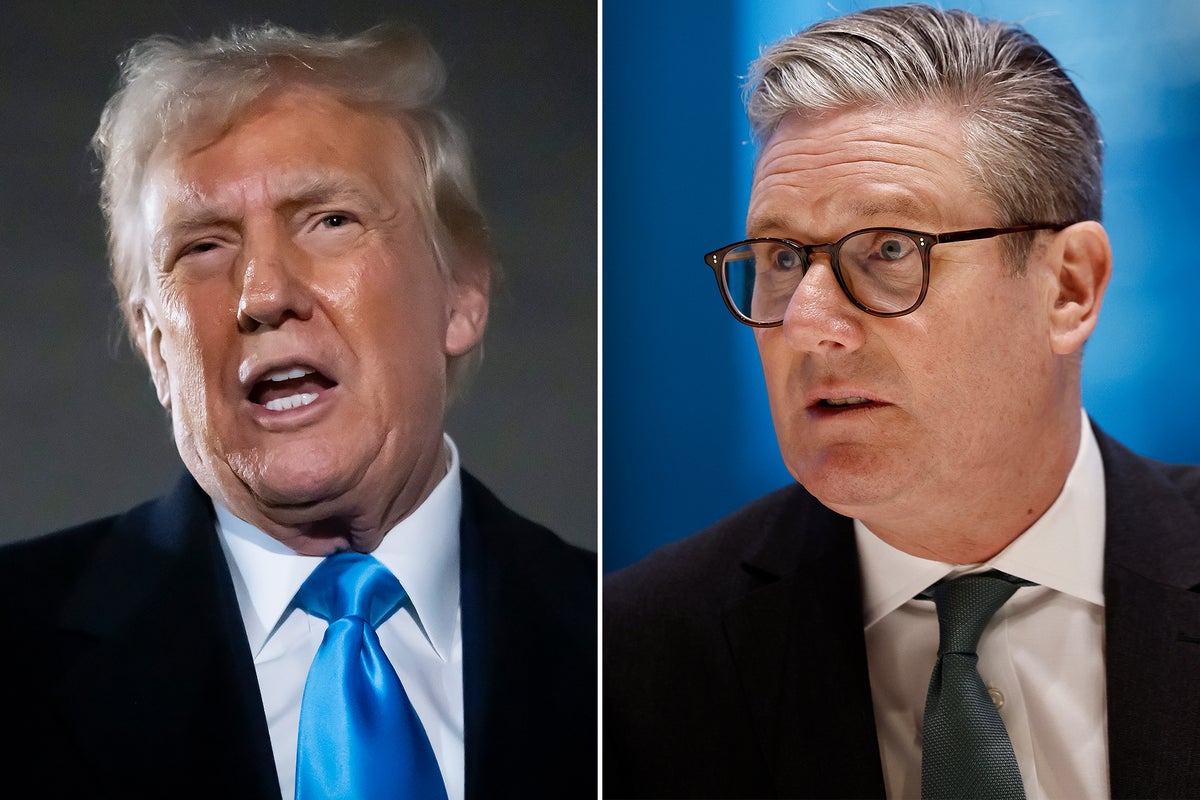
Donald Trump just reminded the world that "America First" doesn't have much room for European hesitation. During an Oval Office sit-down with German Chancellor Friedrich Merz, the President didn't hold back. He's furious with Spain, annoyed with the UK, and seemingly ready to rewrite decades of trade policy on a whim. The trigger? A refusal by these allies to fully hand over their military bases for the ongoing US-Israeli campaign against Iran.
If you thought the "Special Relationship" with Britain or the NATO alliance with Spain would buy these countries some slack, you haven't been paying attention. Trump is treating global security like a subscription service: if you aren't paying the premium (in this case, 5% of your GDP) and providing full service (total base access), he's ready to cancel the plan. Meanwhile, you can read related events here: The Calculated Silence Behind the June Strikes on Iran.
The Spanish standoff and the threat of a total embargo
Spain is currently the main target of Trump’s ire. Prime Minister Pedro Sánchez formally blocked the US from using the Rota naval base and Morón air base for offensive strikes against Iran. For Sánchez, this is about international law and avoiding a "dangerous military intervention." For Trump, it's a betrayal.
Trump’s response was characteristically blunt. He told reporters he’s instructed Treasury Secretary Scott Bessent to "cut off all dealings" with Spain. We aren't just talking about a few tariffs here. He’s threatening a full-scale trade embargo. To explore the complete picture, we recommend the detailed article by Al Jazeera.
"Spain has been terrible," Trump said. "They have absolutely nothing that we need."
That’s a bold claim considering Spain is the world’s largest exporter of olive oil and a major supplier of auto parts and chemicals to the US. But Trump is leaning on a recent Supreme Court interpretation of the International Emergency Economic Powers Act (IEEPA). While the court restricted some of his tariff powers recently, Trump believes it "totally reaffirmed" his ability to impose a total embargo on a specific nation if he deems it a national security necessity.
Why Spain is digging in its heels
Sánchez isn't just being difficult for the sake of it. Spain’s government argued that the current US-Israel operations fall outside existing bilateral defense agreements. They’re sticking to the UN Charter.
By refusing access, Spain forced the US to relocate at least 15 aircraft, including vital refueling tankers, to Ramstein in Germany. This adds hours of flight time to every mission. In a high-stakes military campaign, time and fuel are everything. Trump knows this, and he’s making Spain pay the price in the most "Trump" way possible: through the wallet.
The UK’s "Special Relationship" hits a wall
While Spain is the villain in this week’s White House narrative, the UK isn't exactly the hero. Trump explicitly stated, "I’m not happy with the UK either."
The friction with Prime Minister Keir Starmer is personal and professional. Starmer has been walking a tightrope, trying to support the US "defensively" while avoiding the "regime change" optics that haunted Tony Blair after Iraq.
The specific points of contention are telling:
- Base Access: Starmer allowed the US to use bases in Gloucestershire and the island of Diego Garcia but drew a hard line at Cyprus.
- The Chagos Islands: Trump is still fuming over the UK's decision to hand sovereignty of the Chagos Islands (where Diego Garcia is located) to Mauritius, even though the base is leased back. He called it "that stupid island" and labeled the UK "very, very uncooperative."
- The Churchill Comparison: In perhaps the ultimate insult to a British PM, Trump remarked, "This is not Winston Churchill that we’re dealing with."
The UK eventually moved to support "proportionate defensive measures" after Iranian drones hit a British base in Cyprus, but for Trump, the initial hesitation was enough to sour the mood. He’s looking for partners who say "yes" before the question is even finished.
Germany is the new favorite student
In a bizarre twist of geopolitical musical chairs, Germany—often the target of Trump’s NATO spending rants in the past—is now the "great" ally. Sitting next to Chancellor Friedrich Merz, Trump praised Germany’s cooperation.
Why the change of heart? Because Merz is playing the game. Germany has signaled a willingness to move toward the 5% GDP defense spending target that Trump is now demanding from all NATO members. More importantly, Germany didn't block the relocation of those US tankers from Spain.
Merz even joined in on the Spain-bashing, suggesting that Spain is the "only one" not willing to accept common security responsibilities. By aligning with Trump on Iran and defense spending, Germany is positioning itself as the primary US partner in Europe, effectively jumping over the UK and France in the pecking order.
What this means for the global trade landscape
If Trump actually follows through on a Spain embargo, it’s going to be a legal and economic mess. Trade with EU members is generally handled by the European Commission, not individual states. You can't just "block trade" with Spain without hitting the entire EU single market.
However, Trump has shown he doesn't mind the mess. He’s using the threat of economic ruin to force military compliance. If you want to sell your wine and olive oil in New York and Miami, you better let the F-15s land in Andalusia.
The practical reality for businesses is simple: the "rules-based order" is currently being replaced by a "loyalty-based order."
If you’re doing business in Europe, you need to watch these three things immediately:
- Supply Chain Diversification: If you rely on Spanish exports, start looking at Italian or Greek alternatives now. An embargo might be a long shot legally, but even the threat will cause massive shipping delays and insurance spikes.
- NATO Spending Compliance: Watch the 5% threshold. Countries like Spain and Italy that are lagging will remain in the crosshairs.
- The "Diego Garcia" Precedent: Trump’s obsession with the Chagos Islands suggests he’s going to challenge any international agreement that he feels weakens US military reach, regardless of who signed the initial treaty.
Trump’s message to Europe is clear: stay in the "business box" or get moved to the "standing room area." Spain chose the latter, and they're about to find out how expensive that seat really is.