Don't let the "too much work" excuse fool you. When Donald Trump yanked Steve Witkoff and Jared Kushner off their flight to Islamabad this weekend, he wasn't just complaining about an 18-hour commute. He was making a brutal calculation about who's actually in charge in Tehran—or rather, who isn't.
The headlines say he canceled a trip. The reality is he's betting that the Iranian government is currently a headless horseman, and he doesn't see the point in Negotiating with a ghost.
The 18 hour flight to nowhere
On Saturday, the plan was simple. Witkoff and Kushner were headed to Pakistan to meet with intermediaries and, hopefully, revive some semblance of a ceasefire. Instead, Trump hopped on Truth Social and essentially told the world that the Iranian leadership is in such shambles they don't even know who's signing the checks.
"Too much time wasted on traveling," he wrote. He's not wrong about the distance, but the real sting came when he claimed the U.S. "has all the cards." It's a classic power play. By canceling at the last minute, he's signaling that the U.S. isn't the one desperate for a deal—even though gas prices are hitting two-year highs and the Strait of Hormuz is basically a parking lot.
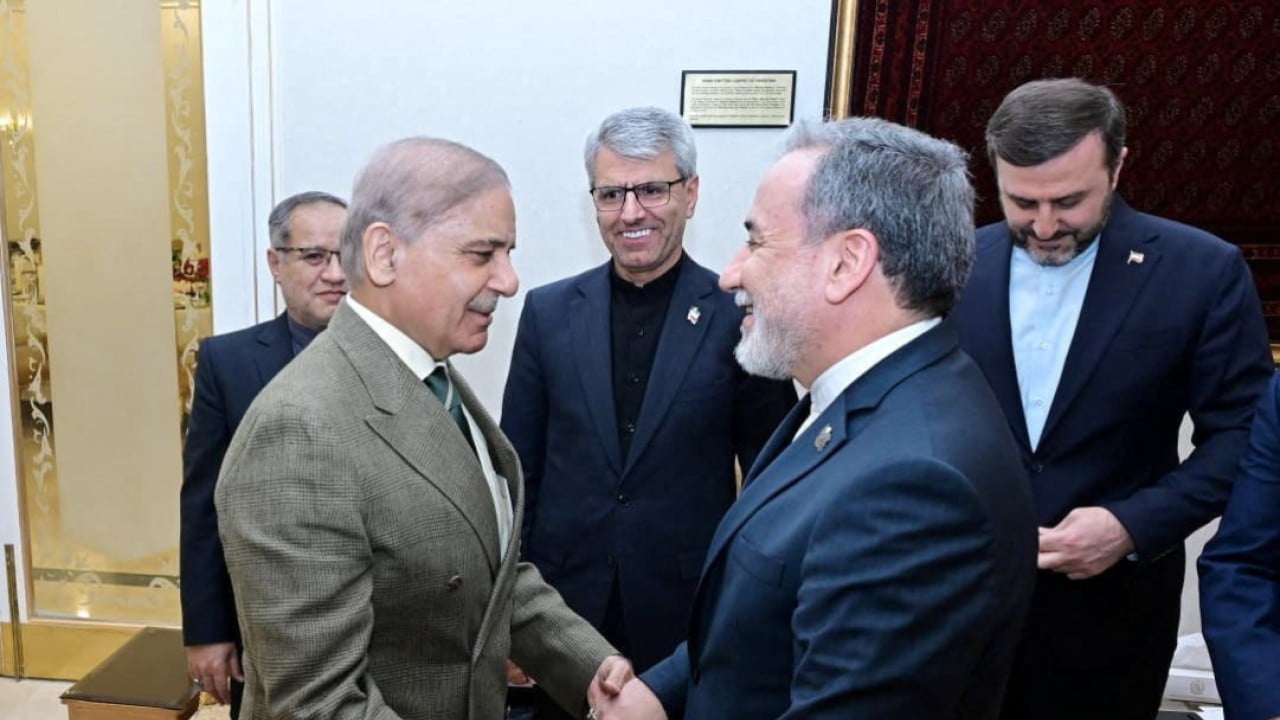
The timing here is key. Iranian Foreign Minister Abbas Araghchi had just spent nearly a full day in Islamabad talking to Pakistani Prime Minister Shehbaz Sharif and Field Marshal Asim Munir. He left for Oman just hours before Trump pulled the plug. Araghchi’s parting shot on X (formerly Twitter) was that he’s "yet to see if the U.S. is truly serious." Trump's response? A giant "Call me when you're serious."
Why Pakistan is the middleman
You might wonder why Pakistan is the stage for this drama. Honestly, it's because they're the only ones both sides will still talk to. Islamabad has been under near-lockdown trying to facilitate these meetings. They managed to get JD Vance into a room for 20 hours earlier this month, which was the highest-level direct contact since the 1979 Revolution.
That meeting didn't produce a deal. Now, the Iranians are insisting on "indirect" talks, meaning the Pakistanis have to play a high-stakes game of telephone. Trump's move on Saturday suggests he’s done with the games. If there's no one on the other side with the authority to actually end the war, he’d rather stay at Mar-a-Lago and wait for the phone to ring.
The leverage of a blockade
While the diplomats argue, the U.S. Navy is busy. The USS Pinckney just intercepted another "shadow fleet" vessel, the M/V Sevan, in the Arabian Sea. This is the 37th ship redirected since the blockade began.
- Oil and Gas: One-fifth of the world’s supply normally goes through the Strait. Now? It’s a trickle.
- Fertilizer: Massive disruptions are hitting global farming.
- The "Shoot and Kill" Order: Trump hasn't backed down on his directive to target small Iranian boats that might be planting mines.
The administration’s logic is simple: "Operation Epic Fury" is working because the Iranian economy is suffocating. Defense Secretary Pete Hegseth basically said as much on Friday, noting the U.S. is in no hurry. They think time is on their side.
What this means for your wallet
If you’re looking for a quick drop in gas prices, don't hold your breath. This cancellation means the indefinite ceasefire—which Trump extended earlier this week as a "favor" to Pakistan—is incredibly fragile. Without a diplomatic breakthrough, the "shadow war" at sea continues.
The Jones Act waiver is helping a bit with domestic supply, but it’s a band-aid on a gunshot wound. As long as the Strait of Hormuz is contested, energy markets are going to stay volatile. Trump's gamble is that the pain at home is less than the pain in Tehran. He’s betting that the "tremendous infighting" he mentioned will eventually force a desperate Iranian faction to pick up the phone and accept U.S. terms.
If you're tracking this, watch the movement of Omani officials next. Araghchi went to Muscat for a reason. But for now, the ball is firmly back in Iran's court, and the U.S. envoys are staying home.
Keep an eye on the Strait of Hormuz shipping reports over the next 48 hours. If Iran perceives the canceled trip as a sign that the ceasefire is ending, we could see a spike in "incidents" at sea. For now, the next move isn't a flight to Islamabad—it's waiting to see if anyone in Tehran actually has the guts to call Washington.