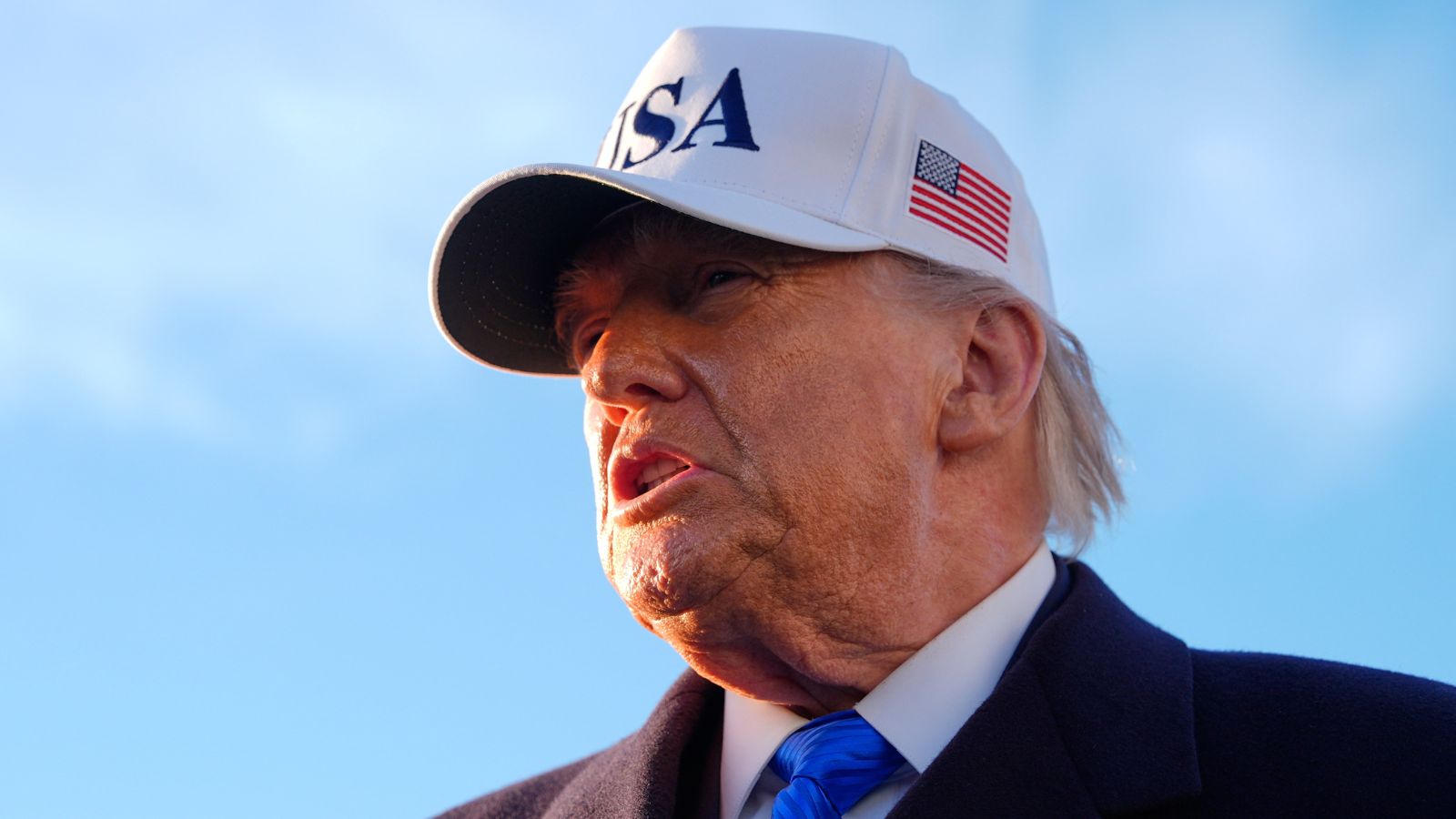
Donald Trump just tossed a grenade into the middle of the Atlantic alliance, and honestly, it’s about time. While the Strait of Hormuz sits thousands of miles from Brussels, the economic shockwaves of its closure are hitting European gas stations and factories right now. Trump’s latest ultimatum—warning NATO of a "very bad future" if they don't help clear Iranian mines—is being called "reckless" by the usual suspects. But if you look at the math and the military reality, he's just saying out loud what everyone else is whispering in backrooms.
The U.S. has spent decades playing world policeman for free. Now, with Iran effectively choking off 20% of the world’s oil and LNG, Trump is drawing a line in the sand. He isn't just asking for backup; he's demanding that the countries actually using the oil—China, France, Japan, and the UK—start putting their own skin in the game.
The ultimatum that shook Brussels
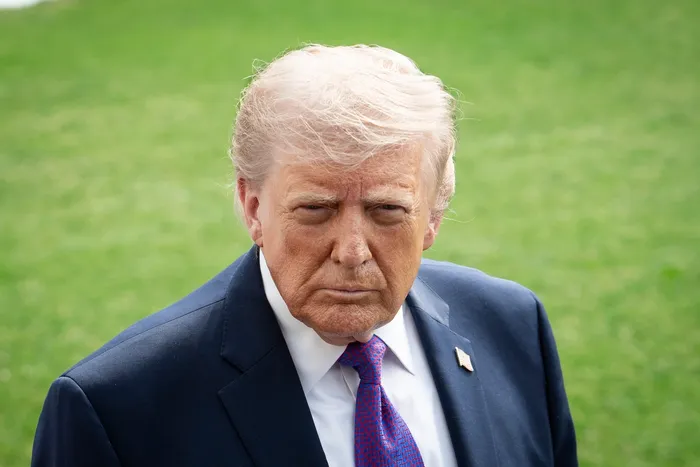
On Sunday, Trump sat down with the Financial Times and didn't hold back. He told them flat out that NATO faces a grim outlook if it stays on the sidelines while the U.S. does the heavy lifting in the Persian Gulf. "It's only appropriate that people who are the beneficiaries of the strait will help," he said. It’s a classic Trump move: transactional, blunt, and focused on the bottom line.
You’ve got to look at the context here. U.S. and Israeli strikes have already pounded 90 targets on Kharg Island and decimated a huge chunk of Iran's conventional navy. But the Strait of Hormuz is a nightmare to police. Iran doesn't need a massive fleet to cause chaos; they just need a few dozen mines and some cheap drones. Trump’s logic is simple. If Europe and Asia want the lights to stay on, they need to send their own mine-clearing vessels and special forces to help scrub the coastline of "bad actors."
Why the Strait of Hormuz is everyone's problem
The mainstream media loves to frame this as another "Trump vs. the World" drama, but the numbers tell a different story. China gets roughly 90% of its oil through that narrow waterway. Japan and South Korea aren't far behind. For France and the rest of Europe, the strait is the primary artery for liquefied natural gas (LNG). Without it, the global food supply chain starts to break because that gas is what makes fertilizer.
- 21 million barrels of oil pass through the strait daily during normal times.
- 15 days of closure have already sent oil prices into a vertical climb.
- 80% of the world's LNG from Qatar is currently stuck behind the Iranian blockade.
Iran’s new Supreme Leader, Mojtaba Khamenei, isn't backing down either. He's vowed to keep the passage closed to "enemies and their allies." While Iran is still sneaking its own crude out through the Jask terminal, everyone else is paying the price. Trump’s point is that the U.S. is now energy independent. We don't need that oil the way we did in the 1970s. So why should American taxpayers foot the entire bill for a global security service?
NATO's "muted" response is a dangerous gamble
So far, the reaction from London, Paris, and Tokyo has been... quiet. Too quiet. British and French officials are reportedly "considering options," which is diplomatic speak for "we’re hoping this goes away." Germany’s foreign minister even went so far as to call previous protection schemes "not effective."
That kind of hesitation is exactly what Trump is attacking. He’s basically telling NATO that if they won't help in the Middle East, they shouldn't expect the U.S. to be the "generous" benefactor for European security issues like Ukraine. It's a hard-nosed pivot. He's linking the security of the Persian Gulf directly to the survival of the Atlantic alliance. If NATO can’t find the political will to protect the very energy that keeps its members' economies from collapsing, what is the alliance even for?
The military reality on the ground
Don't buy the "mission accomplished" talk just yet. Even though Trump claims the U.S. has "decimated" Iran's military capability, the IRGC still has thousands of naval mines in its basement. General Brad Cooper from CENTCOM recently noted that while we've hit over 5,500 targets, the "asymmetric threat" remains. It’s easy to hide a drone or a mine-layer among civilian traffic.
This is why Trump is specifically calling for European special forces. We don't need more aircraft carriers; we need "boots on the ground" along the Iranian coast to stop the mine-laying at the source. It’s a high-risk, high-reward strategy. If the allies step up, the strait opens in days. If they don't, we're looking at a prolonged energy crisis that could make the 2008 crash look like a minor dip.
What happens next for your wallet
This isn't just a "foreign policy" story. It's a "your bank account" story. If this stalemate continues, expect gas prices to hit record highs by next week. The F1 races in Bahrain and Saudi Arabia have already been canceled because the region is a powderkeg.
If you're looking for the next move, watch the shipping insurance markets. Currently, most tankers are refusing to move because they can't get coverage. Trump is pushing for a U.S. Navy escort program to start "very soon," but without allied warships to share the load, the frequency of those escorts will be too low to fix the supply glut.
If you’re invested in energy or transportation, now's the time to hedge. The "muted response" from NATO suggests a long, grinding conflict rather than a quick resolution. Watch for any signs of a "coalition of the willing" forming outside of the formal NATO structure. That’s where the real action will be. Trump has made his move; the ball is now in the court of every country that depends on Middle Eastern oil to keep their factories running.