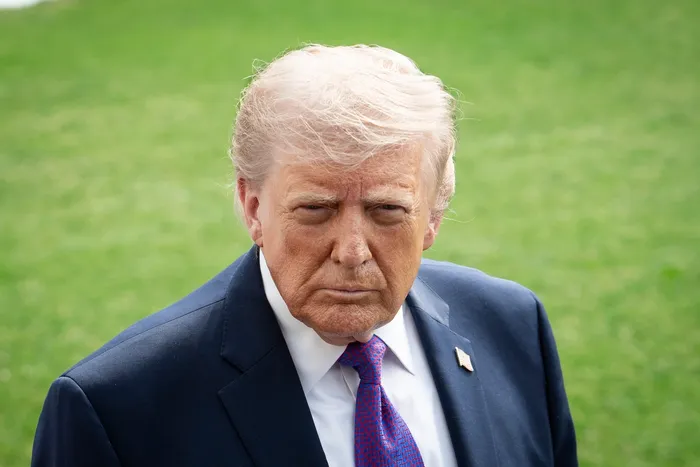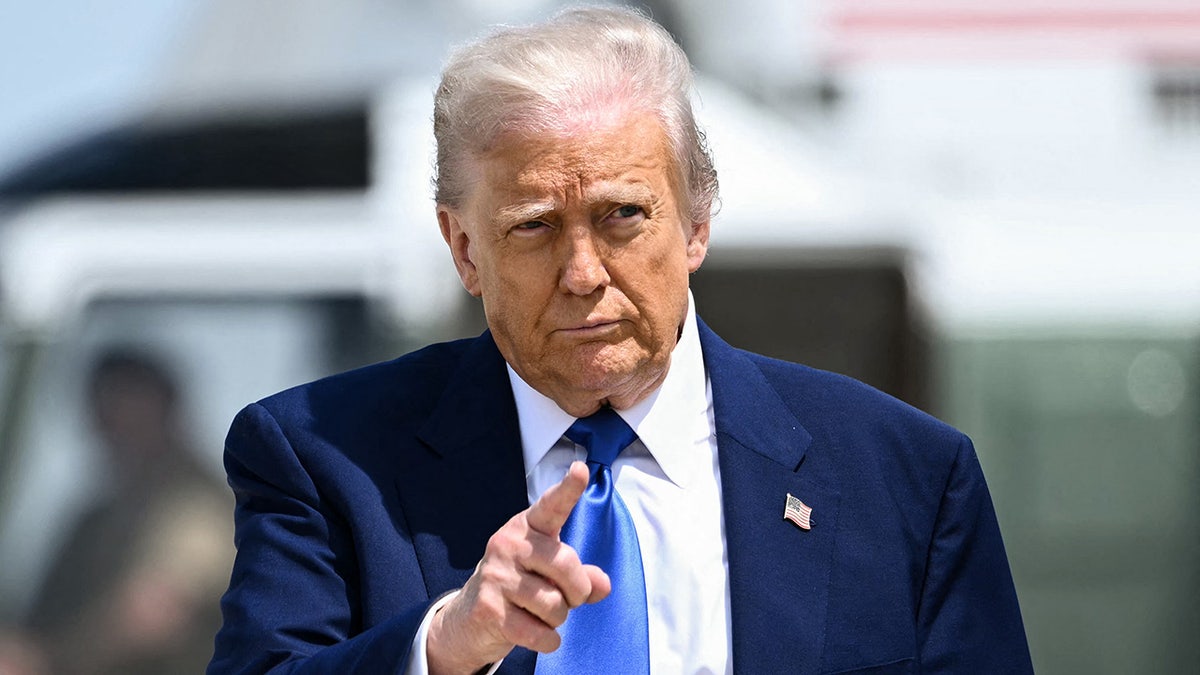
Donald Trump isn't exactly known for subtle metaphors, and his latest take on the conflict in the Middle East is no exception. Aboard Air Force One on Sunday, the President told reporters that Iran’s military infrastructure has been so thoroughly trashed that even if the U.S. pulled out tomorrow, it would take Tehran at least ten years to rebuild. He didn't just stop at military hardware. He basically described a country that has been sent back to the drawing board.
"I think I’d just say they’re decimated," Trump said while flying back from Florida. It’s a bold claim, especially considering the Iranian leadership is still very much talking back. Iranian Foreign Minister Abbas Araghchi went on CBS to say they never even asked for a ceasefire. But if you look at the actual damage reports from the last two weeks of "Operation Epic Fury," Trump’s ten-year timeline might actually be more than just typical campaign trail hyperbole.
The end of the Iranian Air Force
You can't have a modern military without an air force, and according to the latest Pentagon briefings, Iran basically doesn't have one anymore. In the first few days of the strikes, U.S. and Israeli jets systematically dismantled every significant air defense battery in the country. We aren't just talking about old Soviet tech; even their newer systems are gone.
Trump claims they have "no air defense whatsoever" left. If that's true, it means U.S. pilots are essentially treating Iranian airspace like a practice range. When you lose your entire radar network and your interceptor jets in one fell swoop, you don't just go to the store and buy more. You have to rebuild the entire technical infrastructure, train new pilots, and somehow bypass the most aggressive sanctions regime we've seen in decades. Ten years honestly sounds optimistic for a feat like that.
Why Kharg Island is the real story
While the media focused on the "decimated" military quote, the real leverage is what's happening at Kharg Island. This is Iran's main oil export hub—the place that keeps the lights on in Tehran. Trump mentioned that U.S. strikes left only "one little area" standing. Specifically, he’s talking about the pipes.
He’s playing a high-stakes game of chicken with the global economy. By leaving the actual oil pipes intact but destroying the surrounding infrastructure, he’s holding the Iranian economy hostage. "We can do that on five minutes’ notice," he warned. He’s basically saying he can turn off Iran’s entire income stream whenever he feels like it. It’s a brutal strategy, but it explains why he thinks he has all the leverage in any future negotiations.
The economic fallout at home
It’s not all victory laps, though. Gas prices in the U.S. are already spiking, and that’s a problem for any president. Even with the administration waiving sanctions on some Russian oil to balance the scales, Americans are feeling the pinch at the pump. Trump’s bet is that the "positive shock" to the economy once the war is over will outweigh the current pain.
Critics, including some in his own party, aren't so sure. They’re worried about how long "more of the same" will actually last. If the goal is a "systemic reset" of Iran, as some analysts suggest, that doesn't happen in a weekend. It’s a long, messy process that involves more than just dropping bombs.
The ghost of Mojtaba Khamenei
Adding more fuel to the fire, Trump questioned whether Iran’s new Supreme Leader, Mojtaba Khamenei, is even alive. There's been zero proof provided, just the President's typical "I'm hearing things" rhetoric, but it’s a calculated move. By casting doubt on the leadership, he’s trying to fuel the internal chaos already brewing in Iranian cities.
There are reports of rifts between the regular army and the IRGC, desertions, and massive protests. If the people at the top are missing or dead, the whole house of cards starts to look very shaky. Trump wants the Iranian people to "take over their government," and he’s using every psychological tool in the box to make it happen.
What actually happens next
So, is Iran really "destroyed for a 10-year period"? Militarily, the damage is undeniably massive. You don't lose your entire navy and air defense and just bounce back. But "victory" is a slippery word in the Middle East.
If you're following this closely, keep your eyes on the Strait of Hormuz. Trump is demanding that other countries—the ones actually getting the oil—start ponying up to protect the shipping lanes. He wants a "team effort" now that the heavy lifting is done. It’s a classic move: break the status quo, claim victory, and then tell the neighbors it’s their job to clean up the mess.
If you want to understand the real impact, watch the oil markets and the internal stability of Tehran. The military phase might be "won," but the geopolitical fallout is just getting started. Don't expect a quiet exit anytime soon; the "job" isn't finished until there’s a deal on the table that Trump actually likes.