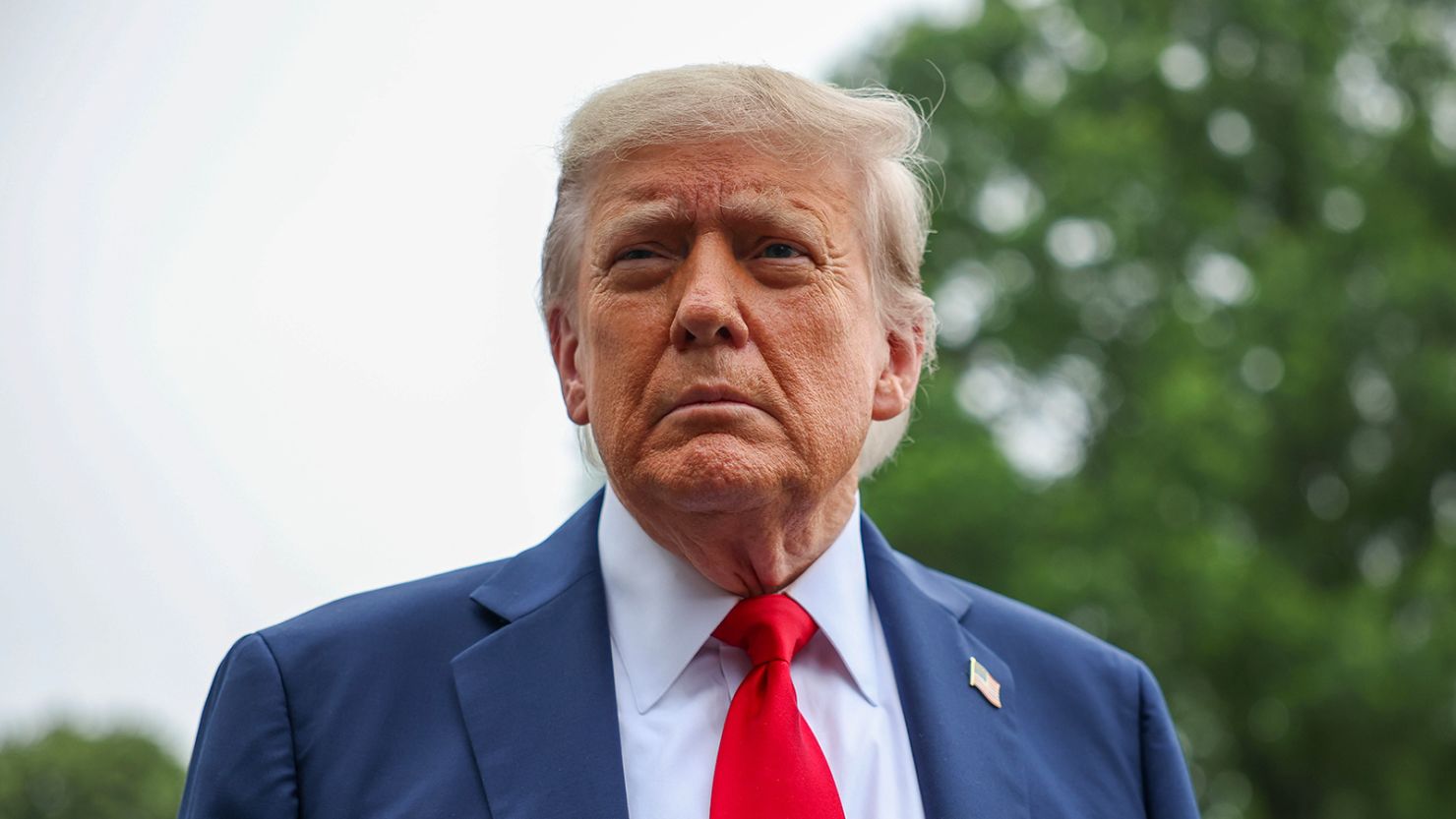
Donald Trump just threw a massive wrench into the diplomatic gears. While the international community was buzzing about a potential breakthrough in the Middle East, the former president made his position crystal clear. He isn't interested in the current framework for an Iran ceasefire. Sources close to the situation suggest he’s effectively sidelined attempts to bring Tehran to the table before he takes office. This isn't just a delay. It's a total shift in the gravity of global power.
For months, diplomats from Paris to Doha have been trying to stitch together a deal. They wanted to stop the bleeding. They wanted to prevent a regional explosion. But Trump sees it differently. He thinks the current leverage is too valuable to waste on a "weak" deal brokered by an outgoing administration. You might think this is just standard political posturing. It's not. It’s a signal to every leader in the Middle East that the old rules are about to be shredded.
Why the Trump rejection changes everything for Iran
The Iranian leadership is now stuck in a brutal waiting game. They were hoping to lock in some form of sanctions relief or a security guarantee while Joe Biden still held the pen. Trump’s refusal to back these talks has sucked the oxygen out of the room. Why would Tehran negotiate with a "lame duck" when the guy coming in next has a history of "maximum pressure"? They wouldn't.
Trump’s team has been blunt. They believe the Biden-led negotiations were giving away too much for too little. By signaling his disapproval now, Trump has effectively told the Iranian regime that any deal they sign today won't be worth the paper it’s printed on by February. This creates a vacuum. Vacuums in the Middle East are usually filled by drones and missiles, not handshakes.
The strategy behind the silence
Trump isn't just saying no to be difficult. He’s protecting his future negotiating space. If a ceasefire happens now, he loses his biggest carrot and his biggest stick. He wants to be the one who dictates the terms. He wants the "Art of the Deal" moment on a global stage.
- He wants a deal that covers more than just nuclear enrichment.
- He’s looking to include ballistic missile programs.
- He wants to dry up funding for regional proxies.
The logic is simple. If you’re going to walk into a room to negotiate, you don't want the previous guy to have already sold the furniture. Trump is making sure the furniture stays right where it is.
The ripple effect on regional allies
Israel and the Gulf states are watching this closely. For Prime Minister Netanyahu, Trump’s rejection of the current talks is a green light. It confirms that the hardline approach he’s favored will soon have the full backing of the White House. This makes a ceasefire less likely in the short term because the incentive to compromise has vanished.
The Saudis and Emiratis are also recalibrating. They’ve spent the last year trying to hedge their bets. They were talking to Iran. They were talking to the U.S. Now, they see a return to a world where you have to pick a side. Trump’s "no" tells them that the era of managed stability is over. We’re headed back to an era of clear-cut winners and losers.
What happens to the humanitarian efforts
This is the part that gets lost in the high-level politics. A ceasefire isn't just about geopolitics. It’s about people not dying. By stalling these talks, the risk of a miscalculation increases. Every day without a formal agreement is a day where a single drone strike could spark a full-scale war.
Diplomats are privately frustrated. They’ve spent thousands of hours on these drafts. Now, those drafts are headed for the shredder. It’s a reminder that in the world of international relations, personal rapport and domestic politics often outweigh the best-laid plans of career officials.
How Iran might react to the snub
Tehran isn't known for backing down when cornered. If they realize no deal is coming, they might decide to ramp up their activities. They could increase enrichment levels. They could lean harder on their proxies in Lebanon, Yemen, and Iraq.
It’s a dangerous game of chicken. Iran wants to show they have cards to play. Trump wants to show those cards don't scare him. It’s a recipe for a very tense transition period. We should expect more "incidents" in the shadows—cyberattacks, tanker seizures, or targeted strikes.
The role of the European mediators
Europe is the biggest loser here. France, Germany, and the UK have been desperate to keep the JCPOA spirit alive. They see Trump’s interference as a violation of diplomatic norms. But Trump has never cared about those norms. He’s shown that he’s willing to bypass traditional allies to get the result he wants.
The Europeans now have zero leverage. They can't offer Iran anything that Trump can't take away with an executive order. Their role has been reduced to that of concerned spectators. It’s a humiliating position for the old powers of the continent.
Preparing for the maximum pressure reboot
If you're looking for what comes next, look at 2018. Trump is dusting off the old playbook. He wants the Iranian economy under such immense strain that the regime has no choice but to beg for a meeting.
This means:
- Stricter enforcement of oil sanctions.
- Targeting the "ghost fleet" of tankers.
- Pressuring China to stop buying Iranian crude.
It worked to squeeze the regime before. Trump thinks it’ll work better this time because the regional context has changed. Iran’s proxies are weaker than they were five years ago. Their internal economy is more fragile. Trump smells blood in the water.
The coming months will be a masterclass in "pre-negotiation." Trump has already won this round without even being in the Oval Office yet. By killing the ceasefire talks now, he’s ensured that the path to peace—or war—runs directly through him.
Watch the oil markets. Watch the rhetoric coming out of the IRGC. And keep a very close eye on Mar-a-Lago. That’s where the real Middle East policy is being written right now. If you're invested in regional stability, start looking at ways to hedge against a spike in energy prices or a sudden escalation in the Persian Gulf. The transition isn't going to be smooth. It’s going to be a total overhaul of the status quo.


