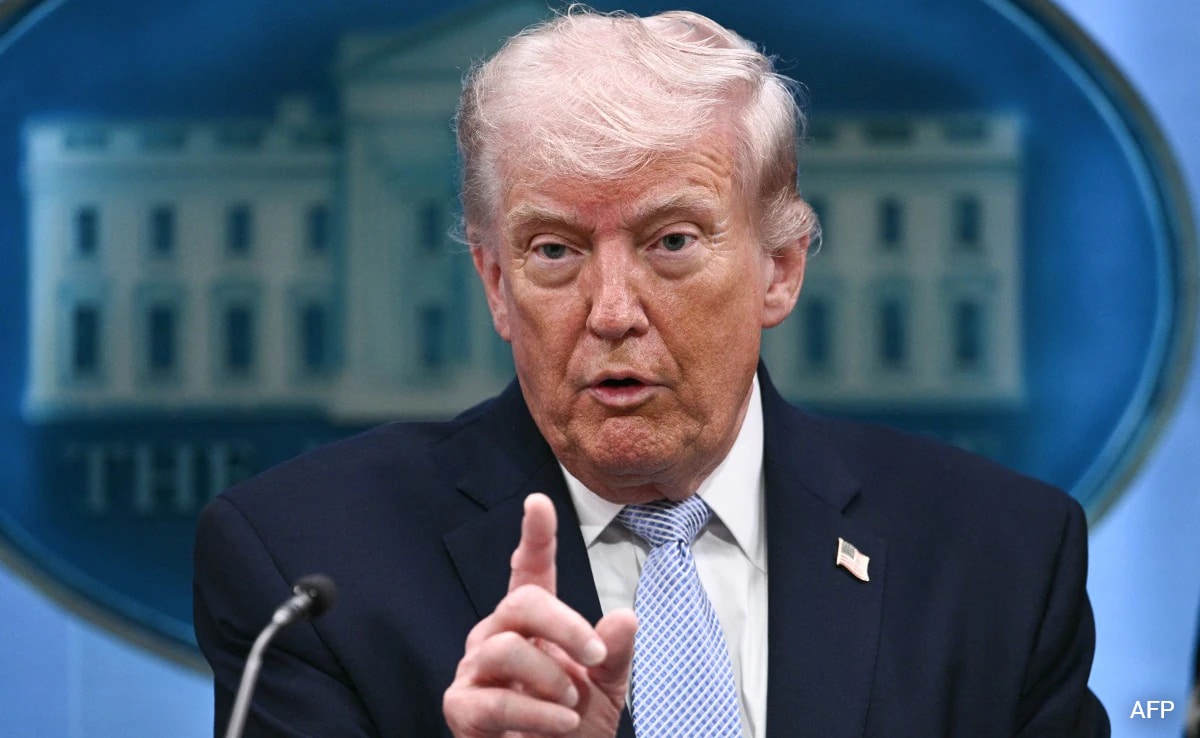
Donald Trump isn't exactly known for his subtlety when it comes to international "deals," and his latest clash with Tehran is no exception. As of April 10, 2026, the fragile ceasefire in the Middle East is already hitting a massive wall. Iran thinks they can charge a premium for the world to use the Strait of Hormuz. Trump essentially told them to cut it out or face the consequences.
If you're wondering why oil prices are still jittery despite a pause in the fighting, this is why. Tehran isn't just asking for a small fee; they're reportedly trying to squeeze $1 per barrel out of tankers moving through the waterway. They want it paid in cryptocurrency. Seriously. It’s a bold move that turns one of the world's most critical chokepoints into a private Iranian highway. Trump’s response on Truth Social was characteristically blunt: "They better not be and, if they are, they better stop now!"
The Cryptocurrency Toll Booth
The details coming out about Iran's plan are honestly wild. According to reports from the Financial Times and industry insiders, the Iranian government wants to monitor every single vessel. They’re demanding that tankers email their cargo details in advance. Once approved, the ship gets a window of just a few seconds to send Bitcoin or other digital currencies to a specific wallet.
Why crypto? Because it's harder for the U.S. to track or seize those funds. It's a blatant attempt to bypass the sanctions that have been strangling their economy for years. Hamid Hosseini, a spokesperson for an Iranian exporters' union, basically admitted they aren't in a rush. They want to control the flow and make sure no weapons are moving under the guise of commercial shipping. But for the rest of the world, it looks like a $20 million-a-day shakedown.
Why This Matters for Your Gas Tank
You might think a dollar a barrel doesn't sound like much. But when you consider that 20% of the world's oil flows through that tiny 21-mile-wide gap, the math gets ugly fast. It’s not just about the money; it’s about the precedent. If Iran successfully charges a toll for international waters, every other strategic waterway in the world becomes fair game.
- Shipping Chaos: Right now, about 400 ships are sitting in a "maritime parking lot" because they're afraid to move.
- Safety Risks: Iran has issued radio warnings that any ship transiting without their express permission will be "destroyed."
- Market Volatility: Even with a ceasefire, oil isn't dropping because nobody knows if the tap will actually stay open.
Trump claims that oil will start flowing "with or without the help of Iran." That’s a clear hint that the U.S. Navy isn't going to just sit back and watch tankers get shake-downed by the IRGC. He’s previously floated the idea of a "joint venture" toll to secure the area—which sounds like a classic Trumpian branding exercise—but his press secretary, Karoline Leavitt, clarified that the goal is an open route with zero limitations.
The Ceasefire is Hanging by a Thread
This whole situation is part of a two-week "conditional" ceasefire. The war that kicked off in February 2026 has been a disaster for global energy, and this pause was supposed to be the first step toward sanity. Instead, we have a standoff over digital wallets and maritime law.
Iran’s Supreme Leader has been vocal about wanting "compensation" for war damages. They view these tolls as a legitimate way to recoup losses from U.S. and Israeli strikes. But the U.S. views it as piracy by another name. While diplomats are heading to Pakistan for talks this weekend, the rhetoric on the ground is getting sharper.
What Happens Next
Don't expect this to resolve with a polite handshake. If Iran continues to block or tax ships, the "ceasefire" will likely collapse before the two weeks are up. For anyone involved in global trade or just watching their local gas prices, here is what to keep an eye on:
- Escort Missions: Watch for the U.S. and its allies to start "freedom of navigation" operations where warships escort tankers through the strait.
- Crypto Crackdowns: Expect the Treasury Department to go after the specific digital wallets Iran is using for these tolls.
- The Pakistan Talks: If Saturday's meeting in Pakistan doesn't produce a "no-toll" agreement, the bombing could start again within 48 hours.
The bottom line is that the Strait of Hormuz isn't a private pond. Trump is betting that Iran will blink first because they can't afford another round of full-scale conflict. But Tehran has its hands on the trigger and a finger on the "Request Payment" button. Something has to give.
Keep your eyes on maritime tracking data over the next 48 hours. If the number of ships transiting doesn't jump from the current "less than 10%" to something resembling normal traffic, the ceasefire is effectively dead.


