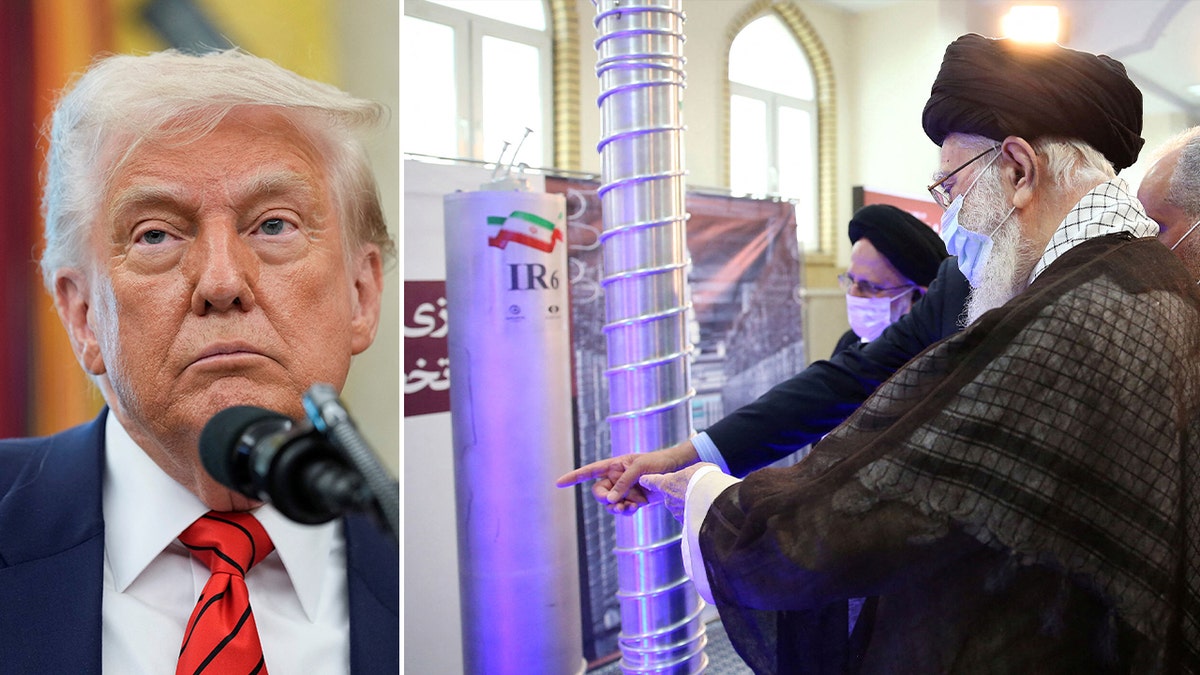
Iran’s leadership just sent a message that the rest of the world can't afford to ignore. President Masoud Pezeshkian recently clarified the country's stance on the most important chokepoint in global energy trade. He claims the Strait of Hormuz remains open to everyone, with one massive catch. If you violate Iranian soil or interests, the gates slam shut. This isn't just standard political bluster. It’s a calculated reminder of the leverage Tehran holds over the global economy.
You’ve probably seen the headlines about rising tensions in the Middle East. Most of them miss the nuance of how Iran actually views its backyard. For the Iranian government, the Strait of Hormuz isn't just a shipping lane. It's a shield. By stating that the waterway is open to "all except those who violate Iranian soil," Pezeshkian is drawing a very clear line in the sand—or rather, the water.
Why the Strait of Hormuz matters to your wallet
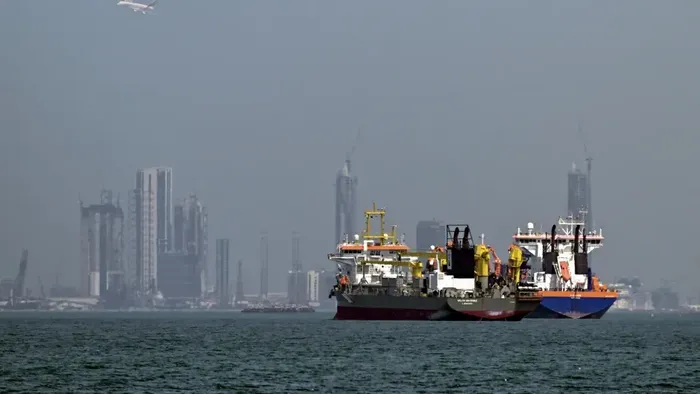
If you think a conflict in a faraway body of water doesn't affect you, think again. About 20% of the world's total oil consumption passes through this narrow stretch of water every single day. We’re talking about roughly 21 million barrels of oil daily. Most of it heads to hungry markets in Asia, but the price of oil is global. If a tanker gets stuck or a skirmish breaks out, gas prices in Ohio or London spike within hours.
The geography here is a nightmare for security. At its narrowest point, the strait is only about 21 miles wide. However, the actual shipping lanes are even tighter. Ships have to stay within two-mile-wide channels to navigate safely. This makes them sitting ducks for anyone with a few naval mines or a shore-based missile battery. Iran knows this. They’ve spent decades turning this geographic bottleneck into a strategic fortress.
Pezeshkian and the shift in Iranian rhetoric
Since taking office, Pezeshkian has tried to balance a tough nationalistic stance with a desire to reduce Western sanctions. His latest comments reflect this tightrope walk. By saying the strait is "open to all," he’s trying to signal that Iran isn't the aggressor. He wants the world to see Iran as a responsible steward of maritime trade. But that "except" clause is the real meat of the statement.
It’s a direct warning to the United States and its allies. The message is simple. Don't touch our borders, and we won't touch the oil. This kind of rhetoric is designed to deter pre-emptive strikes or increased naval pressure from the U.S. Fifth Fleet, which is based nearby in Bahrain.
The reality of maritime law vs. regional power
Under the United Nations Convention on the Law of the Sea (UNCLOS), the Strait of Hormuz consists of territorial waters belonging to Iran and Oman. Normally, international ships enjoy the "right of transit passage." This means they can go through as long as they keep moving and don't threaten the coastal states.
Iran has signed but never ratified UNCLOS. They often argue that they only have to respect "innocent passage," which gives them more legal wiggle room to harass or stop ships they deem a threat. When the Iranian President talks about "violating Iranian soil," he’s expanding that definition. He's basically saying that any political or military move against Iran anywhere could justify a shutdown of the strait. It's a policy of total linkage.
Tactical threats and the swarm mentality
If things ever actually kicked off, Iran wouldn't try to go toe-to-toe with a U.S. aircraft carrier in a traditional naval battle. That would be suicide. Instead, they rely on "asymmetric warfare."
I've watched how their Revolutionary Guard Navy (IRGCN) operates. They use hundreds of small, fast-attack boats. These things are cheap, fast, and armed with missiles or torpedoes. Imagine trying to swat a thousand bees while you’re standing in a bathtub. That’s what a carrier strike group faces in the narrow confines of the Gulf.
- Naval Mines: These are the ultimate low-tech, high-impact weapon. Iran has thousands of them. Dropping a few dozen in the shipping lanes would halt insurance coverage for every tanker in the region.
- Shore-based Missiles: The Iranian coastline is mountainous and rugged. It’s the perfect place to hide mobile missile launchers that can hit a ship anywhere in the strait.
- Drones: We’ve seen how effective low-cost drones are in modern conflict. Iran is a leader in this tech.
The economic fallout of a closed strait
Let’s look at the numbers. If the Strait of Hormuz were blocked for even a week, analysts at places like Goldman Sachs and the IMF suggest oil prices could jump by $30 to $50 a barrel. Some extreme scenarios see prices hitting $200. This wouldn't just mean expensive gas. It would mean a global recession.
The cost of shipping insurance would skyrocket instantly. Most commercial ships simply wouldn't enter the area. This would cut off not just oil, but also Liquefied Natural Gas (LNG) from Qatar. Since Qatar provides a huge chunk of the world's LNG, power grids in Europe and Asia would feel the squeeze almost immediately.
What happens next for regional security
Pezeshkian’s statement is a reminder that the "shadow war" in the Middle East is always one mistake away from becoming a very real, very loud war. While he claims the strait is open, Iran has a history of seizing tankers when their own ships are detained elsewhere. It's a "tit-for-tat" strategy that keeps the West on edge.
The U.S. and its partners have tried to counter this with "Operation Prosperity Guardian" and other maritime task forces. But the reality is that you can't protect every inch of such a narrow waterway. The deterrent isn't just military force; it's the mutual destruction of the global economy. Iran needs to sell its oil too, mostly to China. Closing the strait would hurt Iran’s biggest customer, which is why it remains the "nuclear option" of maritime strategy.
Practical steps for observing the situation
If you're tracking this for business or investment reasons, don't just watch the speeches. Watch the tanker tracking data. When you see a sudden drop in departures from the port of Ras Tanura in Saudi Arabia or the Iranian terminals at Kharg Island, that’s when you should worry.
Pay attention to the Lloyd’s of London Joint War Committee updates. They're the ones who decide how much it costs to insure these ships. When they expand the "listed areas" for risk, the market is telling you the situation is deteriorating, regardless of what any politician says. Keep an eye on the "dark fleet"—the tankers moving Iranian oil despite sanctions. If those ships stop moving, it means Iran is clearing the deck for something bigger.
The Strait of Hormuz is the world's jugular vein. For now, Pezeshkian says the blood will keep flowing. Just don't expect it to stay that way if the political temperature keeps rising. The threat of closure is often more powerful than the act itself. It’s the ultimate leverage in a world that can’t stop drinking oil.
Monitor the daily Brent Crude price fluctuations and the U.S. Energy Information Administration (EIA) weekly petroleum status reports to see if the rhetoric is actually hitting the supply chain. If the spread between Brent and West Texas Intermediate (WTI) starts widening significantly, the market is pricing in a "Hormuz risk premium." That's your signal that the tension is moving from words to real-world economic impact.