The headlines usually scream that Iran is days or weeks away from a nuclear "breakout." It’s a narrative we’ve heard for decades. But recently, some heavy hitters in the intelligence and diplomatic circles started singing a different tune. They’re suggesting that the gap between having the ingredients for a bomb and actually building one is much wider than the evening news suggests. It’s not just about the uranium. It’s about the engineering, the delivery systems, and the political will to cross a line that hasn’t been crossed since 1945.
We need to talk about what it actually takes to weaponize nuclear material. Most people think if you have a pile of highly enriched uranium, you have a bomb. You don't. You have a very dangerous, very expensive pile of metal. To turn that into a warhead that fits on a missile and survives the heat of re-entry, you need a level of sophistication that most experts say Iran hasn't fully mastered or, perhaps more importantly, hasn't even tried to master yet.
Behind the Kent Claims and the Reality of Nuclear Thresholds
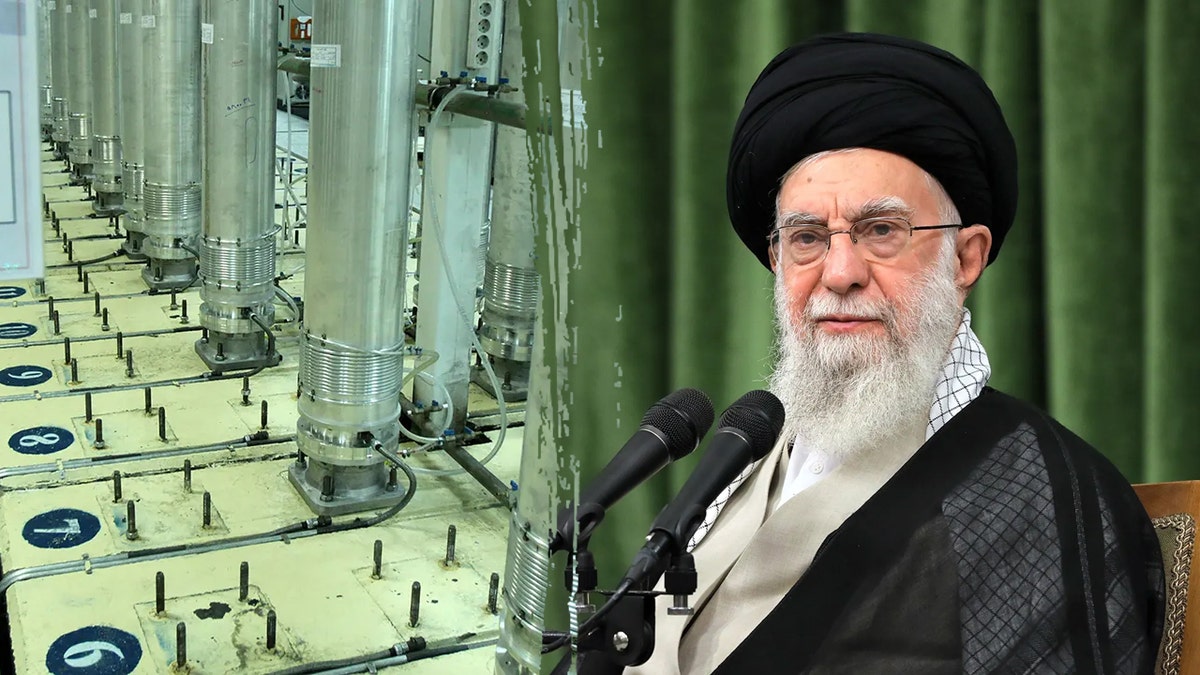
When figures like Stephen Kent or veteran IAEA inspectors weigh in, they aren't just looking at centrifuges. They're looking at the "weaponization" phase. This is the part where you design the trigger, the explosive lenses, and the casing. Reports indicate that while Iran has ramped up its enrichment to 60%, which is a stone's throw from weapons-grade 90%, they haven't made the jump to the actual hardware.
Why does this matter? Because the "breakout" clock is a bit of a misnomer. It measures how long it takes to produce enough fissile material for one device. It doesn’t measure how long it takes to build a reliable weapon. Some analysts argue that Iran is playing a game of "nuclear hedging." They want the capability to build a bomb so they have leverage at the bargaining table, but they don't necessarily want the headache—and the potential target on their back—that comes with actually owning one.
What the Media Gets Wrong About Enrichment Levels
You’ve probably seen the charts. 3.5% enrichment is for power plants. 20% is for medical isotopes. 90% is for bombs. Iran is currently sitting at 60% at sites like Fordow and Natanz. On paper, that looks terrifyingly close to the finish line. In reality, the work required to go from 60% to 90% is technically easier than getting from 0% to 5%, but the political cost is infinite.
There's no civilian use for 60% uranium. None. So, when Iran enriches to that level, they're sending a signal. It’s a middle finger to the West and a way to say, "Look how close we can get." But as long as the IAEA (International Atomic Energy Agency) has cameras in those facilities—even if their access is restricted—we know they haven't started the final sprint. If they were to kick out the inspectors entirely, then you should start worrying. Until then, it's mostly a very high-stakes poker game.
The Engineering Nightmare of Weaponization
Let’s get into the weeds of why building a bomb is hard. You need to create a perfectly symmetrical implosion. If the conventional explosives surrounding the uranium core don't fire at the exact same nanosecond, the core just squirts out the side. It’s a "fizzle," not a boom.
Then there's the miniaturization. A nuclear device is useless if it’s the size of a shed. You have to shrink it down to fit inside the nose cone of a Shahab-3 missile. It has to withstand G-forces, extreme vibrations, and the massive heat of coming back into the atmosphere. There's zero evidence that Iran has conducted the cold testing required to prove they can do this. Intelligence agencies, including the CIA, have stated in various assessments that while the program has advanced, the specific "weaponization" work was largely halted years ago and hasn't been fully restarted in a way that suggests a finished product is imminent.
Why Iran Might Not Actually Want the Bomb
This sounds counterintuitive, but think about the consequences. The moment Iran tests a device, the regional balance shifts in a way that might not favor them. Saudi Arabia has hinted they’d get their own. Turkey might follow. Suddenly, Iran isn't the big dog on the block; they're just one of many nuclear-armed neighbors in a very crowded room.
Furthermore, the "threshold" status is actually more powerful than the bomb itself. As a threshold state, Iran gets to demand concessions from the U.S. and Europe to not build the bomb. Once they build it, that leverage is gone. You can't trade a bomb you’ve already made for sanctions relief as easily as you can trade the promise not to make one. It’s the difference between holding a winning hand and showing your cards.
The Role of Intelligence and Monitoring
We shouldn't be naive. Iran’s history with the IAEA is full of "oops, we forgot to tell you about this underground facility" moments. The discovery of the Fordow plant, buried deep under a mountain, proved that they're capable of keeping secrets. However, the world in 2026 is different from the world in 2003. We have better satellite imagery, better signals intelligence, and more sophisticated cyber tools like the ones that delivered the Stuxnet blow years ago.
If Iran were to start a massive push toward a weapon, it would likely be detected. The sheer amount of activity—moving materials, testing explosives, specialized machining—creates a signature that’s hard to hide from modern intelligence nets. Most experts agree that we would have at least a few months of lead time. That’s why the claims that they "aren't close" carry weight. They aren't close because they haven't taken the final, unmistakable steps that would trigger a regional war.
Assessing the Regional Fallout and Proxy Wars
While the nuclear clock ticks slowly, the proxy wars are at a boil. Iran uses its influence in Lebanon, Yemen, and Iraq as a conventional shield. Some argue this is their "real" deterrent. If you attack their nuclear sites, they unleash Hezbollah. They don't need a nuke to cause chaos; they already have a "conventional deterrent" that works pretty well.
This makes the nuclear issue a bit of a sideshow to the actual day-to-day conflict in the Middle East. The U.S. and its allies are trapped in a cycle of sanctioning the nuclear program while trying to manage the regional influence. It’s a messy, multi-dimensional puzzle where "close to a bomb" is just one piece, and often, it's the piece used to distract from other activities.
What You Should Watch For Next
Forget the 60% enrichment numbers for a second. If you want to know if the situation is actually escalating, look for these three things. First, watch the IAEA inspector access. If Iran starts sealing doors or turning off more cameras, that’s a red alert. Second, look for reports of "cold testing" or explosive research at sites like Parchin. That’s where the weaponization happens. Third, watch the rhetoric from the Supreme Leader. If the religious fatwa against nuclear weapons is ever "re-interpreted" or rescinded, the game has changed.
The "massive claims" that Iran isn't close to a bomb aren't a defense of their regime. They’re a realistic look at the difference between chemistry and engineering. You can have all the flour in the world, but if you don't have an oven and a recipe, you aren't making bread. Right now, Iran is still just staring at the flour.
Keep an eye on the diplomatic channels. If talks in Vienna or elsewhere show even a hint of life, it's a sign that the "threshold" status is still being used as a tool for negotiation rather than a precursor to an explosion. Don't fall for the hype of every enrichment update. Look at the whole picture.