The air in a living room changes when someone is missing. It isn't just a silence. It is a heavy, pressurized void that pushes against the walls, making the ceiling feel lower and the hallway longer. In that space, the objects left behind—a half-finished coffee cup, a pair of sneakers kicked off by the door, a phone charger still plugged into the wall—become sacred relics. They are the artifacts of a life that was supposed to continue into the afternoon.
For the family of a twenty-four-year-old woman, the world stopped at the exact moment a police pursuit collided with their reality. They didn't see the flashing lights through the windshield first. They felt the impact in the marrow of their bones.
Twenty-four is a specific kind of age. You are old enough to have a past, but young enough that the future still feels like an infinite, unmapped territory. You are just beginning to see the shape of the person you will become. You are "deeply loved" not just for who you are, but for the potential of every version of you that was yet to exist. When that potential is snuffed out in a head-on collision, the tragedy isn't just in the loss of a heartbeat. It is in the violent theft of the next sixty years.
We often read these stories in the back pages of the morning news. The headlines are clinical. They use words like "fatality," "incident," and "pursuit." They talk about the speed of the vehicles and the direction of the travel. They give us the geography of the crash site—the intersection, the highway, the mile marker. But these details are a hollow shell. They tell us how she died, but they tell us nothing about how she lived, or the crushing weight of her absence in the kitchen where her mother still expects to hear her laugh.
Imagine the dinner table tonight. There is one chair that will never be occupied again. The person who sat there wasn't a statistic. She was someone’s sister. She was someone’s best friend. She was the person who knew exactly how to fix the mood when a room felt too tense. Now, she is the reason the room is tense. Forever.
The mechanics of a police chase are built on a series of split-second decisions. On one side, you have the pursuit of justice—a suspect fleeing, an officer obligated to stop them. On the other side, you have the physics of kinetic energy. When two tons of steel meet at high speed, the laws of motion do not care about who is right or who is wrong. They do not care about the "deeply loved" woman in the path of the metal. They only care about the transfer of force.
Why do we accept this as an inevitable byproduct of a functioning society? We talk about the risk-reward ratio of high-speed chases as if it were a math problem on a chalkboard. But you cannot calculate the value of a twenty-four-year-old’s Tuesday morning. You cannot balance the ledger of a life against the apprehension of a suspect who was likely going to be caught eventually anyway.
The invisible stakes of these moments are massive. Every time a siren wails and a pedal hits the floor, a gamble is being made with the lives of every person on that road. Most of the time, the gamble pays off. The suspect pulls over. The officer makes the arrest. The traffic continues to flow. But when the gamble fails, it fails with a sound that haunts the witnesses for the rest of their lives. The sound of tearing metal. The sound of silence that follows.
Consider the ripple effect. The officer involved carries the ghost of that collision in every patrol car they ever drive again. The witnesses at the scene relive the flash of the headlights every time they close their eyes. The suspect, if they survive, becomes the architect of a grief they can never repay. And the family? They are left to navigate a world that has been permanently tilted off its axis.
Grief is not a straight line. It is a labyrinth. One day you are fine, and the next, the smell of a specific laundry detergent or the melody of a song on the radio sends you back to the moment you heard the news. It is a physical ache. It is a heaviness in the chest that makes it hard to draw a full breath. When a death is this sudden, there is no preparation. There is no long goodbye. There is only the "before" and the "after."
The "before" was full of plans. Maybe she was thinking about what to have for dinner. Maybe she was planning a trip for the summer. Maybe she was just wondering if she should get a haircut. The "after" is a vacuum. It is the agonizing process of clearing out a bedroom, of deciding what to do with the clothes that still smell like her perfume. It is the realization that her phone will never ring again, and that the messages she sent will stay forever as the final words of a story that ended mid-sentence.
In the standard news cycle, this story will be replaced by another one tomorrow. The names will change, the locations will shift, but the core of the tragedy remains the same. We have become desensitized to the "police chase fatality" because it fits into a neat, familiar narrative. But there is nothing neat about a head-on collision. There is nothing familiar about burying your child.
We owe it to the memory of the "deeply loved" to stop looking at these events as inevitable. We have the technology to track vehicles without chasing them into crowded intersections. We have the data to show that the adrenaline of the hunt often clouds the judgment of the hunter. We have the capacity to value the life of a bystander over the immediate capture of a non-violent offender.
If we don't change the way we think about these stakes, we are simply waiting for the next twenty-four-year-old to become a headline. We are waiting for the next family to find out that the person they love most in the world was in the wrong place at the wrong time—except it wasn't just bad luck. It was a choice. A choice to prioritize the chase over the human being.
The flowers at the roadside will eventually wilt. The police tape will be cleared away. The glass will be swept from the pavement. The cars will drive over that same patch of asphalt as if nothing happened. But for one family, that spot on the road is the center of the universe. It is the place where time stopped.
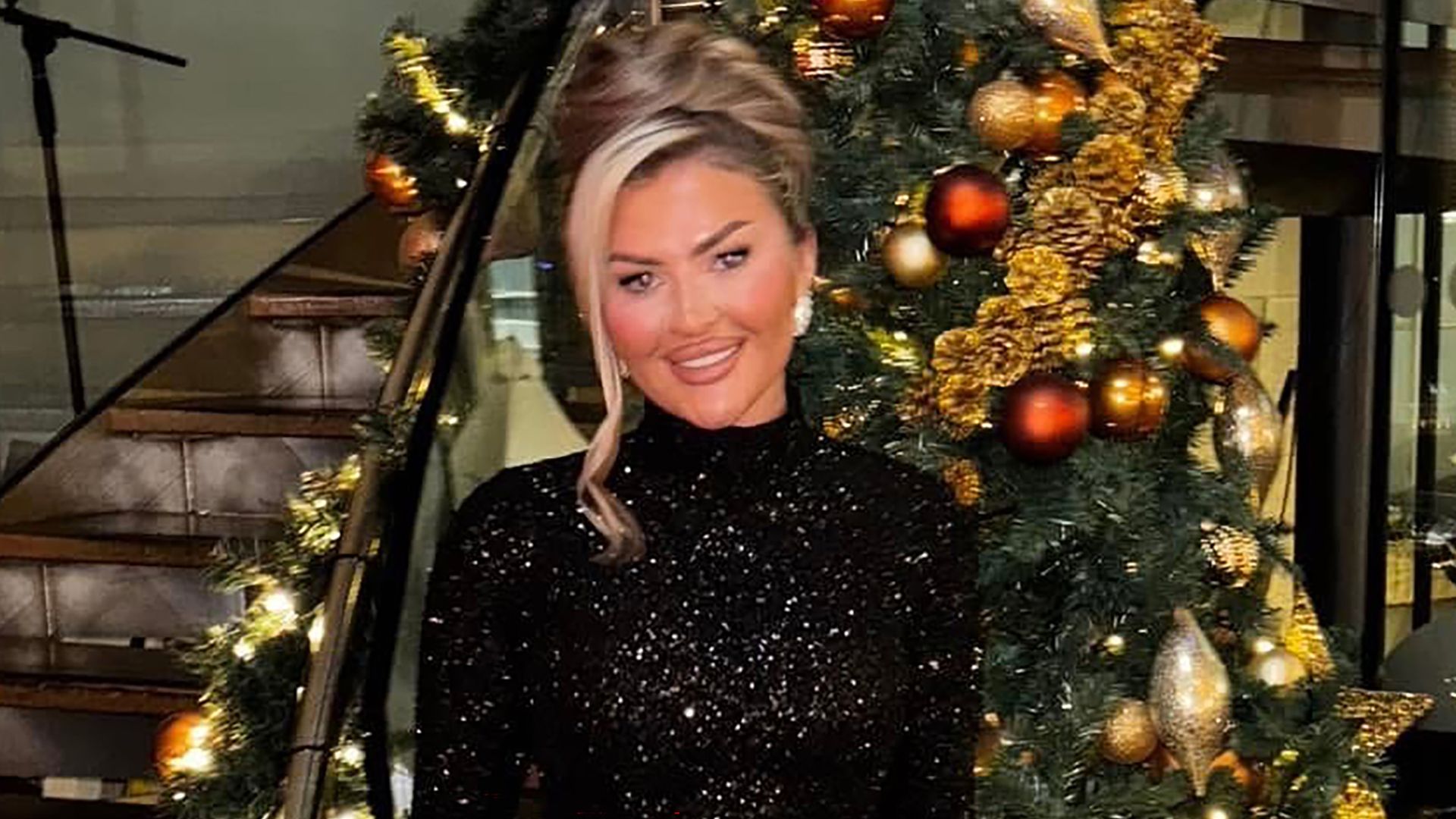
When you look at a photograph of a woman who was "deeply loved," you aren't just looking at a face. You are looking at a thousand unrecorded moments. You are looking at the way she tucked her hair behind her ear. You are looking at the specific way she held a pen. You are looking at the dreams she whispered into the dark.
None of those things are in the police report. None of those things are in the dry, factual articles that list the time of death and the model of the car. But those are the only things that actually matter.
In the end, we are left with the echoes of a life that should still be here. We are left with the uncomfortable truth that our systems of order can sometimes create the very chaos they are meant to prevent. We are left with the image of a young woman, vibrant and full of the twenty-fourth year of her life, heading toward a destination she would never reach.
The sun sets on the intersection now. The lights change from green to yellow to red. The world keeps moving, indifferent to the holes left in its fabric. But in the quiet houses where her name is still spoken, the air remains thick with the weight of everything she was supposed to be.
Glass can be replaced. Cars can be rebuilt. But a twenty-fourth year is a one-time gift, and once it is shattered, no amount of justice can put the pieces back together.