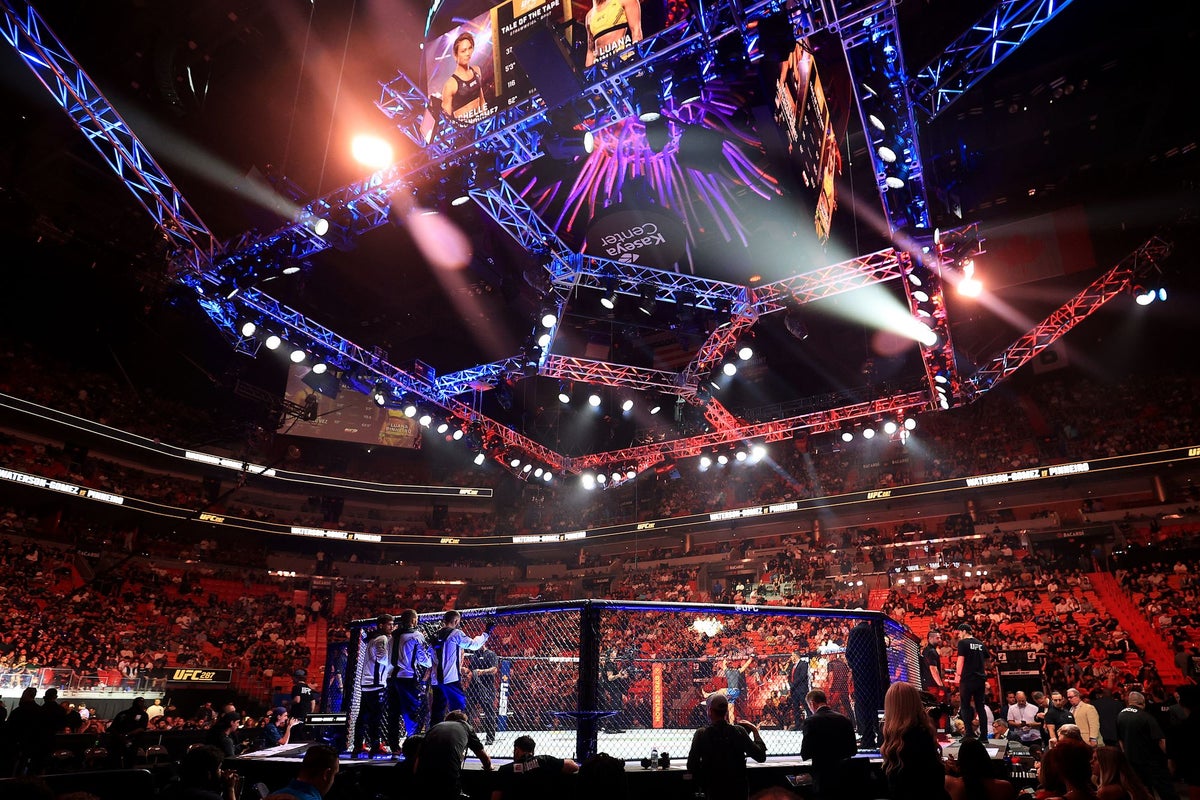
The press is drooling over the idea of a UFC octagon on the South Lawn. They call it the "hottest ticket in the land." They paint it as a collision of two power centers—the ultimate alpha-male brand meeting the ultimate seat of global authority. They think it’s a masterstroke of cultural integration.
They are dead wrong.
What the mainstream sports media fails to grasp is that this isn't a "arrival" moment for the UFC. It is a dilution of the very anti-establishment energy that built the promotion into a multi-billion-dollar behemoth. By stepping into the Rose Garden, the UFC isn't conquering the capital; it’s being house-broken.
The Myth of the Mainstream Validation
For twenty years, Dana White and the Fertitta brothers sold a specific brand of rebellion. They were the outsiders. They were the ones the "suits" in D.C. tried to ban in the 90s when John McCain famously called it "human cockfighting." That friction was the engine. It created a tribal loyalty among fans who felt the world was too soft, too regulated, and too bureaucratic.
When you take the most visceral, raw sport on the planet and wrap it in the starchy, bureaucratic ribbons of the federal government, you kill the spirit of the product. The UFC thrives on being the thing the government doesn't understand. The second you have a Welterweight title fight under the watchful eye of the Secret Service, you aren't watching a fight. You’re watching a government-sanctioned pageant.
I have watched leagues spend decades and hundreds of millions of dollars trying to "clean up" their image to appeal to the widest possible demographic. It always leads to a bland, sanitized product. The UFC is currently flirting with the same trap.
The Logistics of a Disaster
Let’s talk about the actual experience, because the "People Also Ask" sections of the internet are obsessed with how many people can fit on the lawn.
The premise that this is a "hot ticket" is a joke. A fight at the White House is, by definition, an exclusive event for the donor class and the political elite.
- Zero Atmosphere: MMA relies on a pressurized, arena environment. The sound of a leg kick echoing off an empty portico is depressing, not inspiring.
- Security Theater: You think the TSA is bad? Imagine trying to run a high-stakes weigh-in and a five-fight card under the security protocols of the Executive Branch.
- Sterile Crowds: The best UFC cards—think London, Rio, or Vegas—are powered by the roar of 20,000 screaming, slightly intoxicated fans. Replacing them with 400 lobbyists in Vineyard Vines pullovers clapping politely is how you kill a brand's momentum.
If you are a fan, you aren't asking "How do I get tickets?" You should be asking "Why are they making the sport boring?"
The Political Poison Pill
The "lazy consensus" argues that this is a non-partisan win. It isn't. In the current climate, the White House isn't just a building; it’s a lightning rod.
By aligning the octagon with the presidency—regardless of who sits in the chair—the UFC alienates half its global audience. The beauty of combat sports has always been its purity. Two people. One cage. No politics. The moment the backdrop becomes the most politically charged house in the world, the fight becomes secondary to the optics.
I’ve seen sports organizations try to "play both sides" and end up being hated by everyone. The UFC’s genius was always in its indifference to the "correct" way of doing things. Seeking the blessing of the political establishment is a retreat. It’s a signal that the UFC is tired of being the pirate ship and wants to be part of the navy.
The Financial Fallacy
The "industry insiders" claim this is a massive revenue play. Look at the numbers.
A standard Pay-Per-View at T-Mobile Arena generates a live gate of $10 million to $15 million. A White House event has no gate. It’s a PR stunt.
But PR stunts are supposed to increase the value of the brand. This does the opposite. It positions the UFC as a prop for the state. In the long run, the UFC’s valuation is tied to its status as the premier destination for "the world’s toughest athletes." When those athletes are used as set dressing for a press conference on the South Lawn, their "toughness" is traded for "utility."
The Correct Play
The UFC shouldn't be looking for a seat at the table in Washington. They should be building a bigger table in the desert.
The future of the sport isn't in seeking validation from the 18th-century institutions of the American government. It’s in the Sphere in Las Vegas. It’s in the emerging markets of Riyadh and Abu Dhabi. It’s in the digital-first, borderless world where fans don't care about the location of a fight as long as the violence is authentic and the stakes are real.
If you want to see a real fight, go to a dirty, loud, crowded arena in a city that stays up all night. If you want to see a choreographed display of "toughness" designed to make politicians look "in touch," watch the fight at the White House.
Just don't call it a sports event. Call it a fundraiser with extra steps.
Stop asking if the UFC can handle the White House. Ask why the UFC is so desperate for the approval of a system it spent twenty years rightfully ignoring. The "hottest ticket" is actually a cold, calculated move into the very corporate and political swamp the fans have been trying to escape.
Take the octagon back to the people who actually like fighting. Leave the South Lawn to the Easter Egg Roll.