Diplomacy doesn't work when both sides think the other is trying to pull a fast one. Right now, the fragile ceasefire between the United States and Iran is hanging by a thread, and the reason isn't just a disagreement over borders or weapons. It's a fundamental breakdown of faith.
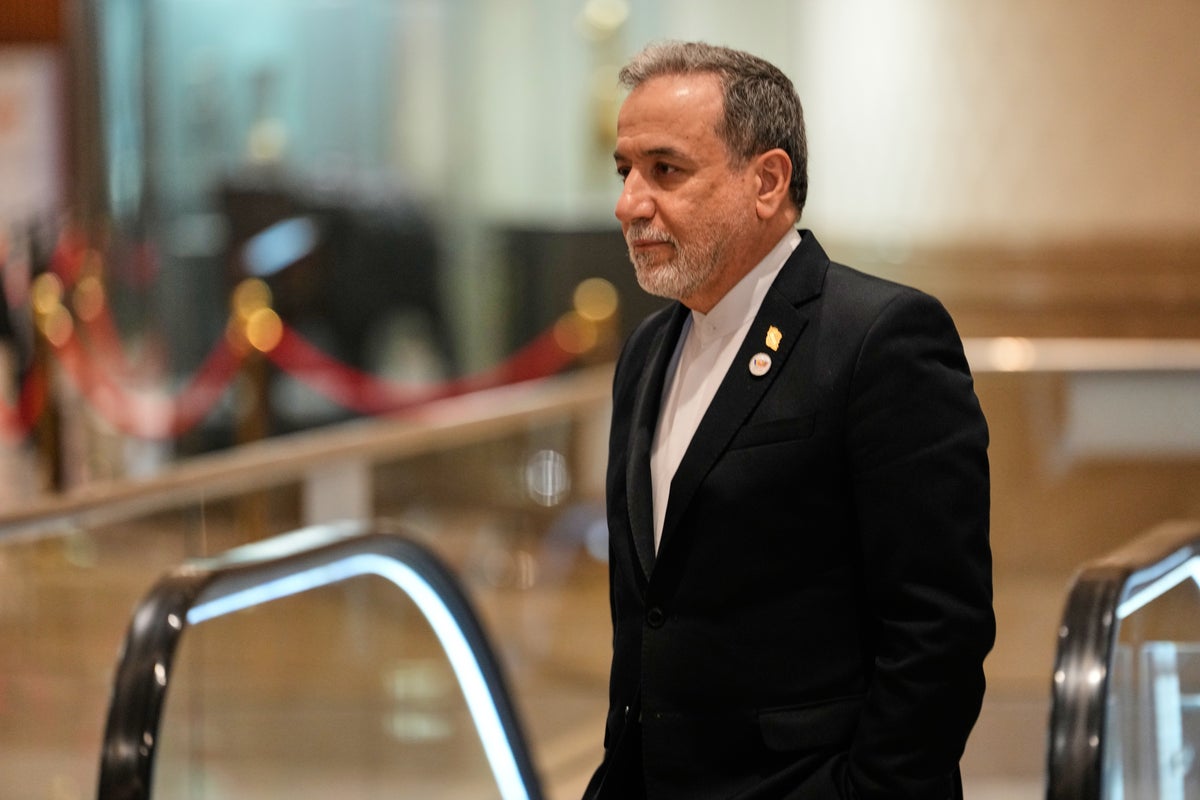
Iranian Foreign Minister Abbas Araghchi made this explicitly clear during a BRICS conclave in New Delhi. He openly stated that a massive trust deficit is the single biggest barrier to ending the current war. From Tehran's perspective, Washington is sending mixed signals that make it impossible to gauge what the Americans actually want.
This isn't just standard diplomatic posturing. The stakes are incredibly high. A global energy crisis is dragging on, a military blockade is choking Iranian ports, and Iran maintains a firm grip on the Strait of Hormuz. Everyone wants to know when this conflict will end, but the reality is that negotiations are completely stalled because neither side believes a word the other says.
The Sticking Points Behind the Standstill
You can't negotiate a peace deal when the starting points are miles apart. The US and Iran are deadlocked on two massive issues: nuclear capabilities and maritime control.
President Donald Trump recently dismissed Iran’s latest formal peace proposal, calling it "garbage." Tehran offered some nuclear concessions, but Washington wants a total rollback. Specifically, the US and Israel demand the complete removal of highly enriched uranium from Iranian soil to guarantee the country can't develop nuclear weapons. Iran, meanwhile, insists its nuclear program is entirely peaceful and refuses to yield what it views as a sovereign right to enrich uranium.
Then there's the economic warfare. Since the outbreak of open hostilities on February 28, the world economy has felt the squeeze.
- The Strait of Hormuz: Iran has effectively restricted transit through this vital chokepoint, which previously handled twenty percent of the world’s petroleum supply.
- The Port Blockade: The US navy is actively blockading Iranian maritime hubs, cutting off the country's economic lifeblood.
- Tanker Seizures: Mutual retaliations escalate weekly. Just recently, a vessel operated by a private Chinese security firm, the Hui Chuan, was diverted into Iranian waters for a compliance inspection, highlighting the volatile nature of the gulf.
Araghchi argues that the US is trying to use the negotiation table to win concessions it couldn't win militarily. He claims Iran has every reason to suspect American motives, pointing out that contradictory statements out of Washington make the US look deeply unserious about a balanced deal.
Outside Powers are Creeping Into the Vacuum
With direct talks yielding zero progress, the focus is shifting toward international mediators. Iran is openly signaling that it wants outside help to break the deadlock, specifically looking toward Beijing and New Delhi.
"The Chinese have good intentions. Anything that can be done by them to help diplomacy would be welcomed," Araghchi told reporters.
It makes sense why Tehran wants China at the table. Beijing previously brokered the surprise normalization of ties between Iran and Saudi Arabia, proving it has regional clout. Trump also mentioned that Chinese President Xi Jinping offered to assist during their recent bilateral discussions. However, despite the public rhetoric, Beijing has shown very little actual appetite for getting bogged down in an active American military conflict.
Iran is also courting India. Araghchi praised his working relationship with Indian Foreign Minister Subrahmanyam Jaishankar and called for New Delhi to take a larger role in West Asian peace talks. Pakistan is also quietly working the phones, with its Foreign Ministry confirming ongoing contacts regarding ceasefire proposals, though they’re keeping the specific details under wraps.
Markets are Bracing for an Extended Conflict
Wall Street hates uncertainty, and this diplomatic freeze is sending shockwaves through global markets. Hope was high earlier in the week that Trump’s high-profile visit to Beijing might yield a diplomatic breakthrough regarding the shipping lanes. That didn't happen.
Instead, the harsh rhetoric from New Delhi served as a cold shower for investors. The realization that a definitive peace deal is nowhere insight caused immediate panic in the energy sector.
West Texas Intermediate (WTI) crude futures surged nearly four percent to jump over $104 per barrel, while Brent crude topped $109. High oil prices are keeping global inflation sticky and driving bond yields up, signaling that the economic pain of this war won't ease anytime soon.
If you are tracking this conflict, don't look for a sudden breakthrough in the daily briefings. Watch the shipping data in the Gulf of Oman and the exact wording of the next formal proposal out of Washington. Until one side blinks on the uranium issue, or an outside mediator like China actually steps in with a concrete enforcement mechanism, the shaky ceasefire is all we've got. Expect oil prices to stay volatile and regional tensions to remain on a knife-edge.