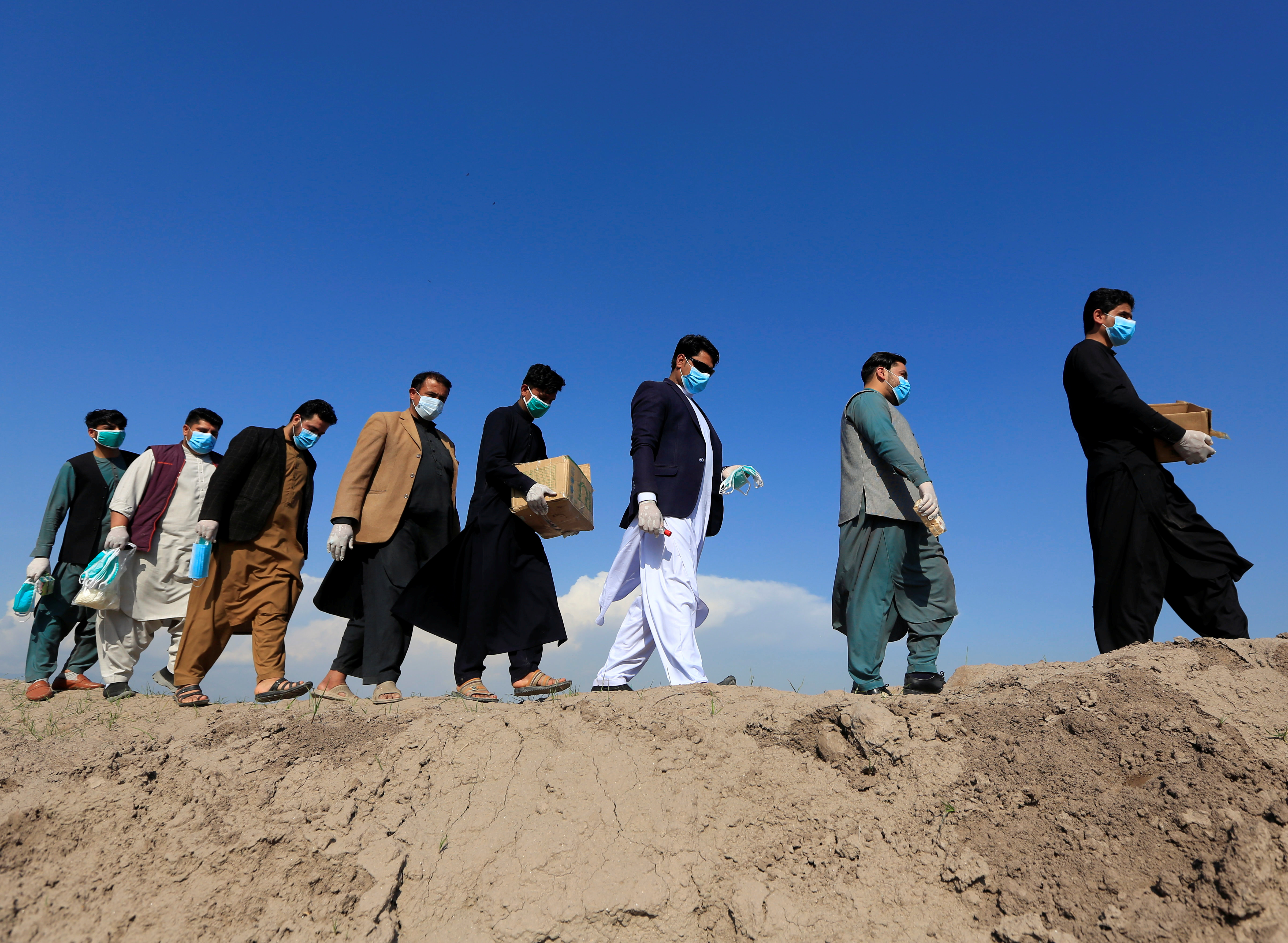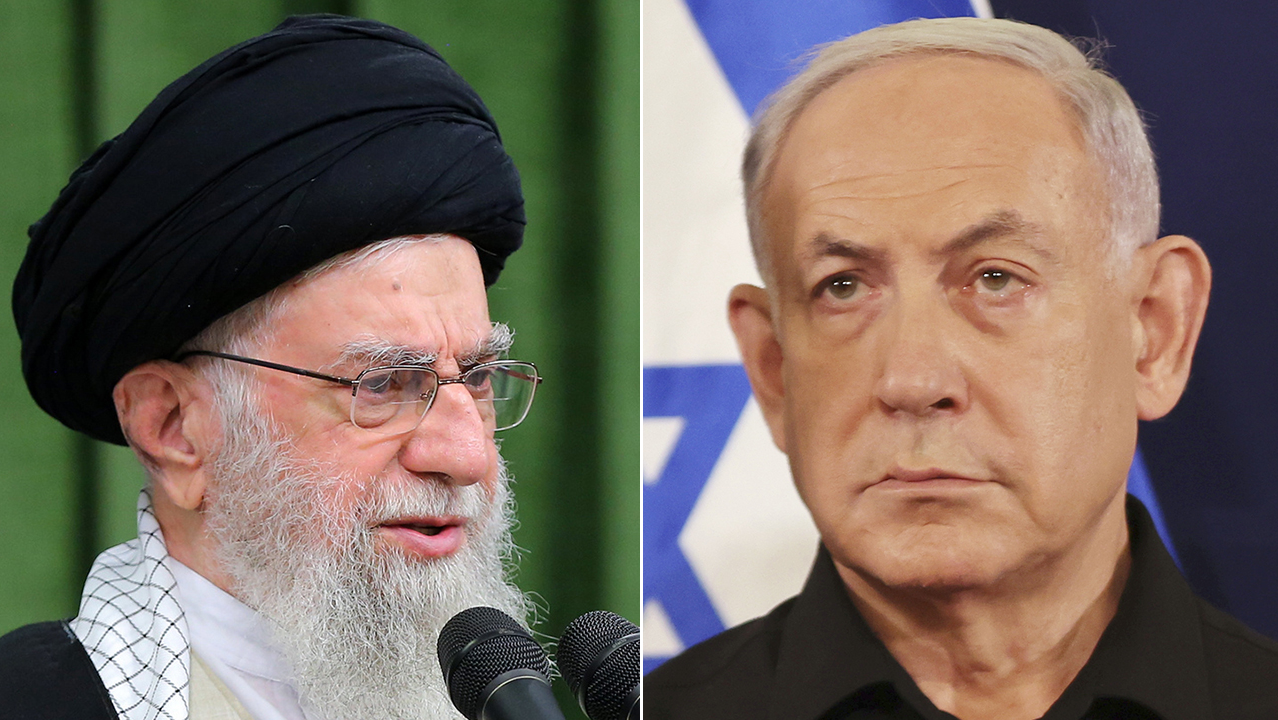
The world breathed a collective sigh of relief late Tuesday night. For the first time in over a month, the threat of "total destruction" isn't the lead headline. President Trump and the Iranian leadership have agreed to a two-week conditional ceasefire, a deal brokered in the eleventh hour by Pakistan. It’s a moment of calm in a conflict that’s already crippled global energy markets and brought the Middle East to the edge of an abyss. But if you’re expecting a permanent peace by the end of April, you’re probably looking at the wrong map.
I've watched these diplomatic "breakthroughs" before, and they usually follow a predictable pattern. This one is different because the stakes aren't just regional—they're existential. We’re talking about a conflict where the U.S. President openly discussed the end of a civilization on social media just hours before the deal was signed. That kind of rhetoric doesn't just vanish because of a two-week pause.
The Deal on the Table
Basically, the ceasefire is a trade. The U.S. agrees to hold off on bombing Iran’s power plants and bridges—a move that would have likely triggered a humanitarian catastrophe. In exchange, Iran has promised the "complete, immediate, and safe opening" of the Strait of Hormuz.
For the rest of the world, that’s the part that matters. Since the joint U.S.-Israeli strikes began on February 28, the Strait has been effectively shut down. This isn't just a "logistics issue." It’s a 13% spike in oil prices overnight. It’s airlines like those represented by IATA warning that jet fuel prices will take months to normalize. If the ships start moving again, the global economy might actually avoid a 1970s-style stagflation.
But there’s a catch. Iran’s Foreign Minister, Abbas Araghchi, was quick to mention that "safe passage" will be coordinated with Iran's Armed Forces. President Trump, meanwhile, says the U.S. will be "helping with the traffic buildup." Having two rival navies "helping" in the same narrow waterway is a recipe for a misunderstanding that could restart the war in minutes.
Why the Pakistan Mediation Matters
You might wonder why Pakistan is the middleman here. Prime Minister Shehbaz Sharif stepped in because Pakistan is one of the few players that both sides can tolerate right now. They’ve proposed a 10-point peace plan that Trump called "workable."
The plan supposedly tackles the big stuff:
- Formalizing a new system for the Strait of Hormuz.
- Addressing Iran’s nuclear enrichment (though the Farsi and English versions of the plan seem to disagree on the specifics).
- Potential sanctions relief in exchange for reconstruction.
Honestly, the "10-point plan" sounds great on paper, but the devil isn't just in the details—it’s in the translations. Reports are already surfacing that the Farsi version of the document includes "acceptance of enrichment," a phrase notably absent from the version the U.S. diplomats are looking at. If they can't even agree on what the words mean, the Islamabad talks scheduled for Friday are going to be a nightmare.
The Lebanon Contradiction
If you’re looking for the biggest red flag, look at Lebanon. Pakistani officials claimed the ceasefire covers the entire region, including the fighting between Israel and Hezbollah. Benjamin Netanyahu’s office immediately shot that down.
Israel’s stance is clear: the ceasefire is with Iran, not their proxies. Just hours after the announcement, Israeli strikes hit Beirut and Tyre. At least 80 people were reported killed in southern Lebanon on Wednesday alone. This creates a massive problem for Tehran. General Seyed Majid Mousavi has already warned that aggression toward Lebanon is aggression toward Iran.
If the U.S. wants this ceasefire to hold, they have to figure out how to keep Israel and Hezbollah from dragging everyone back into the fire. Right now, it looks like a "two-week peace" where half the participants are still shooting.
What it Means for the Markets
Wall Street is celebrating, but you should stay cautious. Yes, the S&P 500 futures jumped 2% and oil prices dived. But this is a "relief rally," not a "recovery."
If you’re involved in commodities or maritime trade, don't expect things to go back to normal by next Tuesday. The backlog of tankers is enormous. Even if the Strait opens today, the insurance premiums for ships entering the Persian Gulf are still astronomical. No captain is going to sail into those waters without ironclad guarantees that they won't be seized or hit by a "wayward" drone.
The Reality Check
Let’s be real: this ceasefire wasn't born out of a sudden desire for friendship. It’s about exhaustion and leverage. The U.S. claims it has "exceeded all military objectives," while Iran says it forced the West to accept its terms. Both sides need a win they can sell to their people.
Trump has a deadline-driven style of diplomacy. He sets an ultimatum, waits for the last second, and then takes the "exit ramp." It worked this time to stop the bombing, but it doesn't solve the fact that Iran’s nuclear program is still there, and the IRGC is still active across the region.
The next steps are critical. If you want to know if this peace is real, watch the Strait of Hormuz. If commercial tankers start moving without being harassed by the IRGC, and if the U.S. Navy keeps its distance, we might have a shot. But if another "unidentified" drone hits a tanker or a refinery, these two weeks will feel like a very short lunch break before a very long war.
Keep your eyes on the Islamabad talks this Friday. That’s where we’ll see if the 10-point plan is a bridge to peace or just a way to buy time. Until then, the world is just holding its breath.