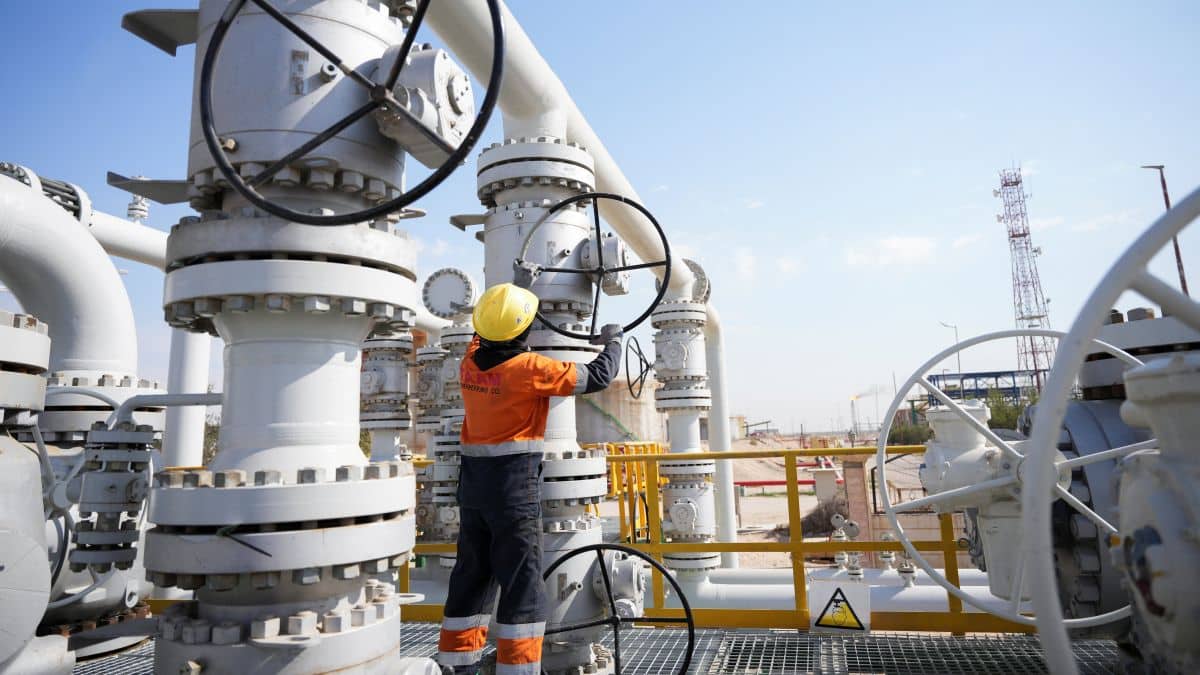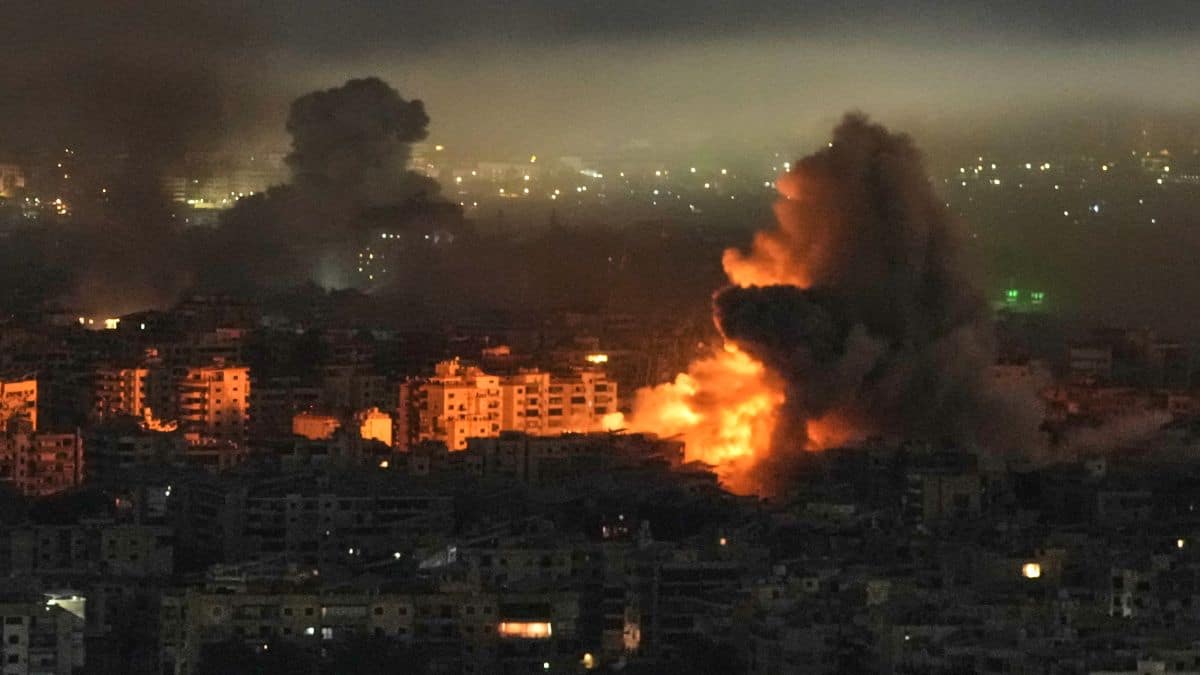
You’re probably feeling the pinch at the gas pump or noticing your grocery bill creep up again, and it’s not just "inflation" in the abstract. It’s the direct fallout of a hot war. When the first US and Israeli strikes hit Iran on February 28, 2026, the shockwaves didn't just stay in the Middle East. They traveled through the Strait of Hormuz, into the global banking system, and straight into your wallet.
The reality of this conflict is that it’s an economic wrecking ball. While military strategists talk about "surgical strikes" and "deterrence," the rest of the world is busy paying the "war premium." We’re talking about a conflict where the battlefield is actually the global supply chain.
The Numbers That Should Worry You
Let's look at the cold, hard math. Since the escalation began, oil prices have been on a rollercoaster that only goes up. Brent crude, the global benchmark, has been swinging wildly between $100 and $120 per barrel. For a quick comparison, it was sitting comfortably under $70 just a couple of weeks ago.
What does that mean for you? In the United States, the average price of gasoline has jumped to $3.48 a gallon. That’s a 20% spike in a single week. If you’re a typical household, that’s an extra $10 to $15 a week gone. It sounds small until you realize it’s wiping out the benefits of recent tax cuts for almost everyone except the top 30% of earners.
The Strait of Hormuz is the world’s jugular vein. About 20 million barrels of oil pass through it every day. Right now, that vein is constricted. Since March 1, at least 16 vessels have been hit by projectiles or drones. Marine insurance premiums have skyrocketed, and traffic has plummeted. Last year, over 1,200 vessels moved through the strait in the first half of March. This year? Just 77.
Who is Winning This Chaos?
In a war this messy, "winning" is a relative term. It usually just means you’re losing less than everyone else.
Russia is the most obvious beneficiary. While the West tries to choke off Iran, the global shortage has made Russian crude a hot commodity again. Moscow is suddenly in a much stronger bargaining position with India and China. They’re getting higher prices for their energy, and the focus of Western military resources has shifted away from the Ukrainian front.
American Energy Producers are also seeing a silver lining. As global prices rise, US shale companies are raking in record profits. The US is now a net exporter of energy, which provides a cushion that didn't exist during the oil shocks of the 1970s. However, this is a double-edged sword. While the companies win, the American consumer still pays the global market rate at the pump.
Defense Contractors are, as always, doing just fine. The demand for interceptor missiles, drone defense systems, and replacement hardware is at an all-time high. It’s a grim reality, but conflict is a growth industry.
The Biggest Losers Aren't Who You Think
The headlines focus on the US, Israel, and Iran, but the most devastating impacts are happening thousands of miles away.
Net Energy Importers like India, Japan, South Korea, and most of Europe are getting hammered. Italy is in a particularly tight spot because it relies heavily on Qatari LNG, which is currently trapped behind the de facto blockade of the Strait. When energy costs spike in these regions, it doesn't just hit cars—it hits factories, heating, and electricity.
Global Farmers and Food Security are the "hidden" losers. The Gulf is a massive hub for fertilizer components like urea and ammonia. With shipping disrupted, fertilizer prices are surging. This isn't just a 2026 problem; it’s a 2027 problem. If farmers can't afford to fertilize their crops today, we’ll see lower yields and even higher food prices at the supermarket next year.
Developing Nations like Pakistan are facing a literal blackout. Pakistan imports 40% of its energy. With Qatari gas shipments cut off, the country is facing a massive energy deficit that threatens to destabilize its already fragile economy.
The Logistics Nightmare
It’s not just about oil. It’s about everything else that travels on a ship. Major carriers like Maersk and Hapag-Lloyd have suspended routes through the region. Ships are now rerouting around the Cape of Good Hope, adding up to 14 days to transit times.
Think about your car. The automotive supply chain is incredibly sensitive to "just-in-time" delivery. These delays mean parts aren't arriving at factories in Europe and Asia, leading to production stalls. We're seeing port congestion in Singapore and Colombo that will take months to clear, even if the shooting stops tomorrow.
Moving Forward in a War Economy
This isn't a situation where you can just wait for things to "go back to normal." The geopolitical landscape has shifted. Here is how you should be looking at your own finances and planning during this volatility:
- Lock in Energy Costs: If you have the option to lock in a fixed-rate utility plan for your home, now is the time. Don't gamble on spot prices dropping by summer.
- Audit Your Commute: With gas prices likely to remain elevated above $3.50 for the foreseeable future, even small changes in driving habits or carpooling make a measurable dent in your monthly budget.
- Watch the Fertilizer Cycle: Keep an eye on the stocks of major agricultural and grocery retailers. The "fertilizer shock" will hit the earnings of companies that rely on cheap food inputs by the end of the year.
- Hedge with Commodities: Professional investors are flocking to gold and energy ETFs. While you shouldn't dump your life savings into them, having some exposure to these "war-proof" assets can help offset the rising costs in the rest of your life.
The conflict between the US, Israel, and Iran is no longer just a regional skirmish. It’s a tax on the global population. Every time a drone hits a tanker or a refinery, a little more money disappears from your bank account. Stay informed, stay lean, and don't expect a quick fix.