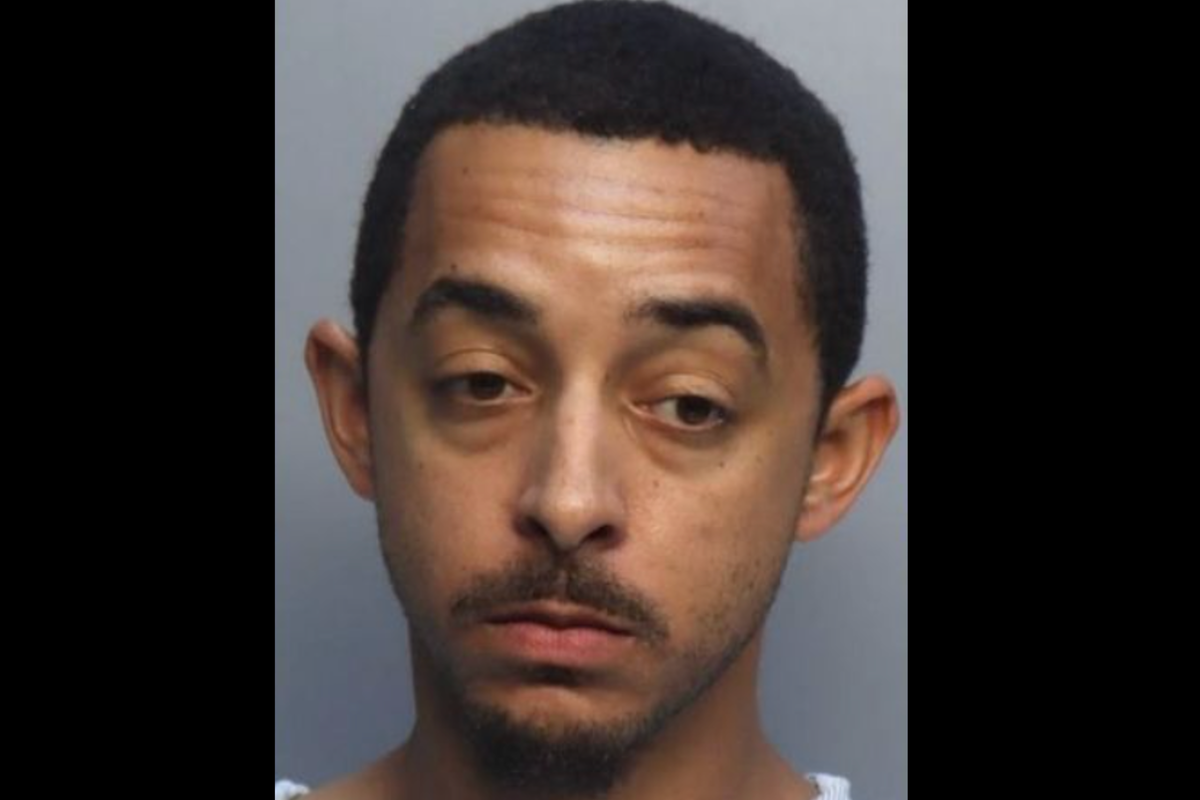
The confirmation that the body recovered near the Spanish coast belongs to Garrett Huntley, the University of Alabama student who went missing in early 2026, marks the end of a frantic search and the beginning of a much more uncomfortable inquiry. Spanish authorities and university officials remained tight-lipped during the weeks of uncertainty, but the identification transforms a missing persons case into a case study of the systemic gaps in student abroad programs. For the family, it is a localized tragedy. For the million-plus students who cross borders every year for higher education, it is a warning about the fragile safety nets provided by institutions that often prioritize enrollment numbers over comprehensive risk management.
Huntley was participating in a recognized exchange program when he vanished. He wasn't in a high-risk zone or a conflict-ridden territory. He was in Spain, a country generally considered safe for Western tourists and students alike. This reality is what makes the case so chilling for parents and administrators. When a student disappears in a supposedly "low-risk" environment, it exposes the complacency inherent in modern study-abroad infrastructure.
The Illusion of the Safe Harbor
Universities market international programs as transformative experiences. They sell the culture, the language, and the prestige of a global education. What they rarely emphasize is the reality of urban risks and the lack of immediate, localized support when things go wrong. Most programs rely on a "hub-and-spoke" model of oversight. A central office in the United States maintains contact with a foreign university or a third-party provider, but the actual day-to-day monitoring of student welfare is often nonexistent.
In the case of Huntley, the timeline of his disappearance suggests a significant lag between his last known contact and the initiation of a full-scale search. This gap is where most international tragedies occur. When a student fails to show up for a class or a meeting, the initial assumption is often that they are simply "immersing themselves" or traveling for the weekend. This cultural leniency, while part of the appeal of studying abroad, creates a dangerous window of opportunity for accidents or foul play to go unnoticed.
The sea remains a recurring character in these tragedies. Coastal cities in Spain and across the Mediterranean are top destinations for students, yet water safety is rarely a pillar of pre-departure orientation. We see a pattern of students, unfamiliar with local currents or the specific dangers of certain stretches of coastline, finding themselves in situations they cannot navigate.
Accountability and the Third Party Buffer
One of the most significant shifts in the education industry over the last two decades is the outsourcing of international programs. Many universities no longer manage their own overseas campuses. Instead, they partner with third-party providers who handle the logistics, housing, and "student experience." This creates a layer of legal and moral insulation for the home university.
When a student goes missing, the home university often points to the provider's protocols. The provider, in turn, points to local law enforcement. This circular blame game leaves families stranded in a foreign legal system they don't understand, often facing a language barrier and a different set of privacy laws. In Spain, for example, the Ley Orgánica de Protección de Datos can sometimes restrict the flow of information to families in ways that would be unthinkable in the American legal context.
This isn't just about red tape. It’s about the commodification of the student experience. If a university is collecting tuition for a semester spent abroad, their duty of care should not end at the airport gate. Yet, the legal reality is that many "participation waivers" signed by students before they leave are designed specifically to limit the university's liability in the event of death or disappearance.
The Missing Protocol for the Worst Case Scenario
Most study-abroad orientations focus on "the basics." Don't carry too much cash. Use the "buddy system." Be aware of pickpockets. These are useful tips for a vacation, but they are insufficient for long-term residency in a foreign city.
What is missing is a rigorous, tech-integrated check-in system that respects privacy while ensuring accountability. If a student is required to log into a portal for their homework, why are they not required to verify their location or safety once every 48 hours? The technology exists, but the implementation is stalled by concerns over "stifling the experience."
The Reality of the Search
When a body is found in the water, the investigative process changes instantly. The focus shifts from "where is he?" to "what happened in those final hours?" In Spain, the Guardia Civil handles maritime recoveries, and the forensic process can be grueling. For a family thousands of miles away, the wait for DNA confirmation is a unique form of torture.
The Huntley case shows that the initial response is often driven more by social media pressure than by institutional efficiency. It was the digital footprint—the sharing of his face across Instagram and Twitter—that kept the pressure on local authorities. This "civilian search party" is becoming the new standard because the official channels are often too slow or too bound by bureaucracy to act within the critical first 48 hours.
Beyond the Headline
The story will eventually fade from the front pages. The University of Alabama will likely hold a memorial. There will be statements about "joining together in grief." But unless there is a fundamental shift in how universities vet their international partners and monitor their students, Huntley will not be the last name on this list.
The industry needs to move away from the "vacation with credits" mindset. Studying abroad is a high-stakes endeavor. It requires more than a pamphlet and a list of emergency phone numbers that may or may not be answered on a weekend in a different time zone.
We have to ask if the current model of international education is sustainable if the safety measures haven't evolved since the 1990s. The world is more connected, but it isn't necessarily safer. The ease of travel has created a false sense of security that the data simply doesn't support.
The Forensic Gap
Forensic investigations in coastal deaths are notoriously difficult. The environment is hostile to evidence. Saltwater, tide movements, and time all work against the truth. In many cases involving students abroad, the official cause of death is eventually listed as accidental drowning, often because the evidence to prove anything else has been washed away. This "accidental" label provides a convenient closing of the book for the institutions involved, but it rarely provides closure for those left behind.
A New Standard of Care
If universities want to continue reaping the financial and reputational benefits of global programs, they must accept a higher level of responsibility. This means:
- Mandatory Local Liaison Officers: Every program, regardless of size, should have a dedicated, locally-based safety officer who is not an administrator, but a security professional.
- Real-Time Tracking Options: While controversial, offering opt-in GPS tracking for students traveling alone between cities should be a standard safety feature.
- Independent Safety Audits: Universities should be required to publish the safety records and incident rates of their third-party providers.
- Family Advocacy Units: Establishing a dedicated office that helps families navigate foreign legal and medical systems the moment a crisis is reported.
The death of Garrett Huntley is a tragedy of a young life cut short, but it is also a failure of the systems designed to protect him. We cannot treat these incidents as isolated anomalies. They are the predictable result of a system that prioritizes the "experience" over the individual.
Demand more from the institutions that claim to be preparing the next generation for a globalized world. If they can send a student halfway around the globe, they must have a plan for bringing them back. Anything less is a breach of trust that no tuition check can cover.
Check the safety protocols of your university's specific program provider before the deposit is paid, not after the flight departs.