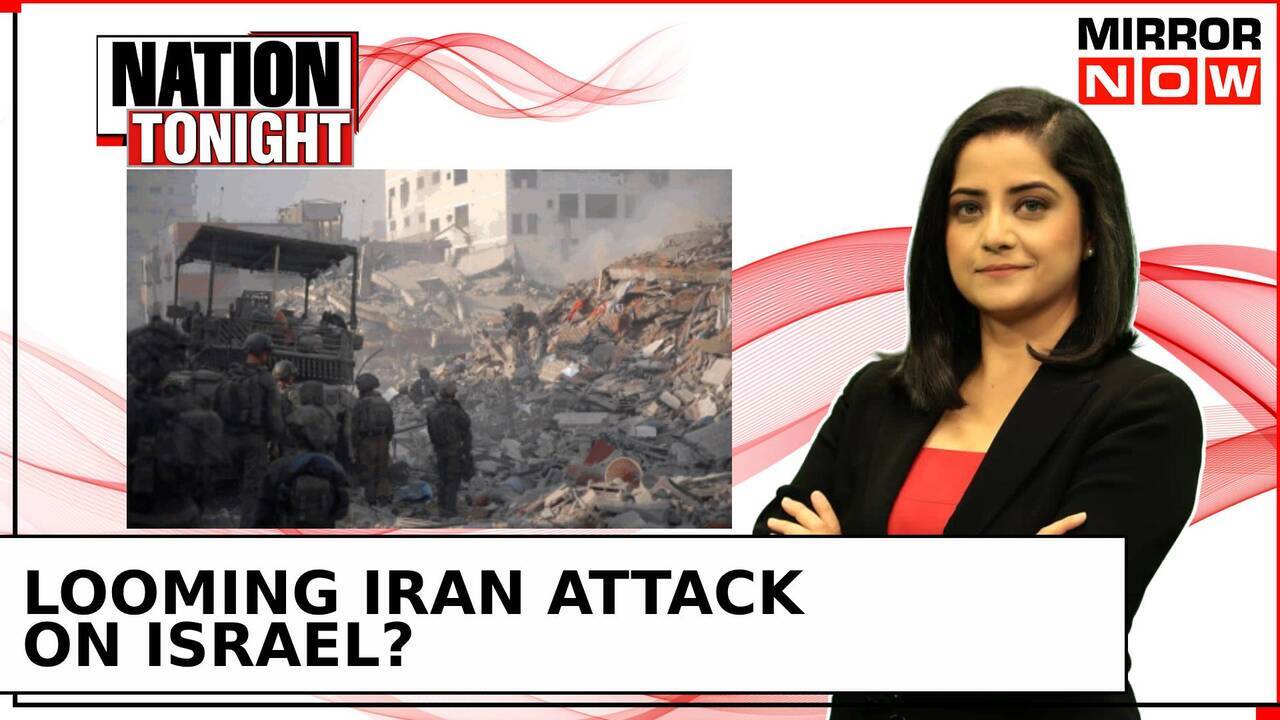
The numbers don't lie. Over 11 lakh Indian citizens have moved back from West Asia since the regional conflict began to boil over. That's a staggering figure. It represents one of the largest movements of people in recent history. If you've been following the news, you know the Middle East is on edge. But most reports just give you the raw data without explaining what this means for the families involved or the Indian economy.
I’ve looked at the migration patterns. It isn't just about fear. It’s about logistics, job security, and the sheer unpredictability of living in a zone where the skies aren't always clear. The Ministry of External Affairs (MEA) has been working overtime. They aren't calling it a mass evacuation in every case, but the flow of people is undeniable. Eleven lakh is a massive chunk of the diaspora. We’re talking about workers, students, and long-term residents who decided that home was the safest bet. Expanding on this topic, you can also read: Why the Lebanon and Israel Direct Talks on Thursday Actually Matter.
Tracking the Movement of 1.1 Million People
When we talk about 11 lakh passengers, we’re talking about a logistical mountain. To put that in perspective, that’s more than the entire population of some small countries. These individuals didn't just disappear. They filled flights to Delhi, Mumbai, Kochi, and Chennai.
The primary driver is the West Asia conflict. This isn't a single event. It’s a series of escalations that made staying feel like a gamble. Most of these travelers came from regions directly affected by the instability or countries where the economy took a hit because of the regional tension. Air India and other carriers had to adjust schedules constantly. They weren't just flying planes. They were managing a crisis. Analysts at The Guardian have also weighed in on this trend.
You have to realize that for many of these people, India isn't just a safety net. It’s a permanent retreat. While some will go back when things quiet down, a significant percentage are looking at local opportunities now. They’ve brought back skills and savings. But they also brought back a sense of relief that's hard to quantify.
Why the Diaspora is Moving Now
Indians in West Asia have seen trouble before. They lived through the Gulf War. They stayed during various uprisings. So why is the current West Asia conflict different? It’s the scale and the technology. In 2026, the reach of modern weaponry means nowhere feels truly "behind the lines."
Economic Pressure and Job Security
It’s not always about missiles. Sometimes it’s about the paycheck. When a region goes into conflict mode, the local economy stutters. Projects get paused. Construction slows down. For the Indian blue-collar workforce, a paused project means no overtime and eventually no job.
- Oil price volatility impacts local budgets.
- Insurance premiums for shipping and aviation skyrocket.
- Foreign investment in the region takes a backseat.
When you're an expat, you’re often the first to feel the pinch. Many of the 11 lakh who returned weren't running from explosions. They were running from the reality of an empty bank account. They chose to cut their losses and head back before things got worse.
The Safety First Mindset
For families with children, the choice is easier. You don't wait for the airport to close. You leave while the commercial flights are still running. The Indian government has been clear about travel advisories. They’ve urged citizens to stay vigilant. For many, "vigilant" simply meant booking a one-way ticket to Kerala or Punjab.
The Government Role in the Return
The MEA didn't just sit back. They used the "Vande Bharat" spirit without always using the brand name. Coordination with local embassies in countries like Israel, Lebanon, and Iran became a 24/7 job.
I’ve seen how these operations work. It’s a mix of diplomatic pressure and logistical genius. They have to ensure that travel documents are ready for those who lost them in a hurry. They have to negotiate flight corridors. It’s a messy, thankless task that usually only gets noticed when something goes wrong. This time, the sheer volume of 11 lakh people moving relatively smoothly is a win for the diplomats.
The government hasn't just focused on the return. They're looking at what happens next. You can't just drop a million people back into the domestic job market without a plan. Skill mapping and reintegration programs are quietly being scaled up.
What This Means for the Indian Economy
There’s a flip side to this. Remittances. West Asia is a huge source of foreign exchange for India. When 11 lakh people leave, that money stops flowing. This could create a temporary dip in the foreign exchange reserves.
But it’s not all bad news. These people are consumers. They’re spending their savings in India. They’re buying homes, starting small businesses, and putting their kids in Indian schools. It’s a shift in where the money circulates. Instead of sending Dirhams or Riyals back home, they’re spending Rupees in the local market.
We also need to look at the "Brain Gain." Many of these returnees are highly skilled. They’ve worked in some of the most advanced infrastructure projects in the world. India’s own infrastructure boom can use that talent. It’s a chance to use international expertise for domestic growth.
The Misconception About Mass Returns
People think everyone is coming back permanently. That’s wrong. Many are just waiting it out. They’ve left their stuff in lockers or with friends. They’re treating this as an extended vacation or a "work from home" stint from their ancestral villages.
The diaspora is resilient. They’ve built lives there over decades. They won't give that up easily. Once the West Asia conflict reaches a stalemate or a resolution, expect to see a reverse flow. But for now, the priority is clear: get to safe ground.
Navigating the Return Process
If you have family still there, don't panic. But don't be complacent either. The situation changes by the hour.
- Keep digital copies of all travel documents on a cloud drive.
- Register with the nearest Indian Embassy or Consulate immediately.
- Keep a "go-bag" with essentials and some local and foreign currency.
- Monitor the MEA official handles, not just WhatsApp rumors.
The window for easy travel can close quickly. We saw this during the early days of the pandemic and during previous regional spats. The fact that 11 lakh people have already made the move shows that the "early bird" strategy works.
This isn't just a news story about numbers. It’s a story about the scale of the Indian global footprint and the strength of the ties that pull people back to the subcontinent when the world gets loud. India has shown it can absorb its own. It’s a massive stress test for our ports and airports, and so far, the system is holding up.
If you're one of the many planning a return, do it now. Don't wait for a formal evacuation. Use the commercial channels while they're open and stable. Safety isn't a commodity you want to bargain for at the last minute.