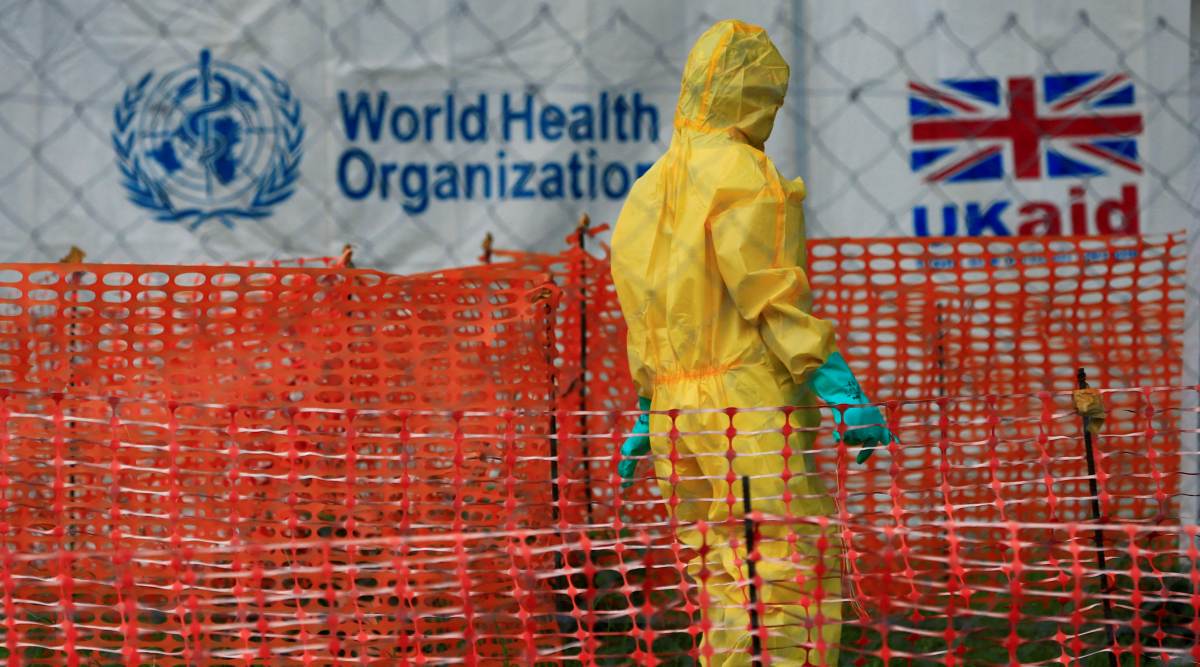
The annual World Health Assembly just kicked off in Geneva. Usually, these high-level meetings of ministers and diplomats sound like bureaucratic white noise. They argue over budget allocations, red tape, and resolutions that take years to implement. But right now, the stakes are different. The World Health Assembly begins amid hantavirus and Ebola outbreaks that are actively testing whether international health systems can actually hold the line or if they will buckle under pressure.
People are searching for updates on these outbreaks because they want to know one thing. Are we safe?
The short answer is yes, if you understand the risks. But the longer answer requires looking past the sensational headlines. Media outlets love to panic-monger about any virus with a high mortality rate. Let's look at the actual data and the real friction points inside the World Health Organization right now.
The Reality of the Current Ebola Outbreak
Ebola isn't a new threat, but it remains terrifying. The virus causes severe hemorrhagic fever, and historical mortality rates hover around 50%. In past outbreaks, that number has spiked to 90%. When an outbreak hits, health workers scramble.
The current situation demands attention because of geographic vulnerabilities. We aren't just dealing with isolated rural cases anymore. When Ebola breaches major transit hubs, containment becomes a logistical nightmare. The World Health Organization relies on a mix of rapid deployment teams, contact tracing, and the Ervebo vaccine.
The vaccine works. We know it does. But vaccines only work if you can get them into arms. Right now, supply chains are stretched thin. Border closures and local conflicts make it incredibly difficult to maintain the ultra-cold storage chain required for these doses. If you talk to field epidemiologists, they will tell you the biggest hurdle isn't the science. It's the logistics. It's the lack of dirt roads. It's the mistrust in local communities that prevents health teams from doing their jobs safely.
Hantavirus Is Not the Next Airborne Pandemic
While Ebola dominates the news cycles, hantavirus is creeping into global health alerts. This is where a lot of mainstream reporting gets things completely wrong. People see "hantavirus" and assume we are looking at another respiratory lockdown situation.
We aren't.
Hantavirus Pulmonary Syndrome is severe. It kills roughly 38% of the people who catch it. But the transmission mechanism is entirely different from something like influenza. You don't catch hantavirus because someone coughed on you at the grocery store. You get it from breathing in aerosolized urine, droppings, or saliva of infected rodents. Think cleaning out an old, dusty shed or working in agriculture.
The reason hantavirus is making waves at the World Health Assembly is due to shifting climate patterns. As weather patterns change, rodent populations fluctuate wildly. We are seeing cases pop up in regions that historically didn't have to worry about it. It's an environmental management problem as much as a medical one. The global health strategy here needs to focus on ecological surveillance and rural public health education, not mass vaccination campaigns.
What Is Actually Happening in Geneva Right Now
While these viruses circulate, delegates in Geneva are debating the International Health Regulations. This is the legally binding framework that dictates how countries must respond to public health emergencies.
The system has massive cracks. During past crises, countries routinely ignored guidelines. They shut borders against scientific advice, hoarded medical supplies, and delayed reporting new cases out of fear of economic retaliation.
The debates happening this week are contentious. Wealthy nations want strict reporting transparency. Developing nations want guarantees that if they share viral data, they will get equal access to the resulting diagnostics and therapies. They don't want to be used as data sources only to be priced out of the cure. It's a valid argument.
If the assembly can't resolve this equity issue, the next major outbreak will be worse. Countries won't report new strains if they think it will only lead to isolation and no medical help.
How to Protect Yourself and Stay Informed
You don't need to panic, but you do need to be smart. Following global health crises requires filtering out the noise.
First, look at transmission vectors. If a headline warns you about a new virus, check how it spreads. If it requires direct contact with bodily fluids or specific animal vectors, your daily risk profile is likely very low.
Second, monitor official updates directly from bodies like the Centers for Disease Control and Prevention or the World Health Organization disease outbreak news feeds. Avoid social media threads that rely on unsourced screenshots.
Finally, support local public health infrastructure. The strongest defense against a global threat is a well-funded local clinic. When primary care systems fail, outbreaks go unnoticed until it's too late.