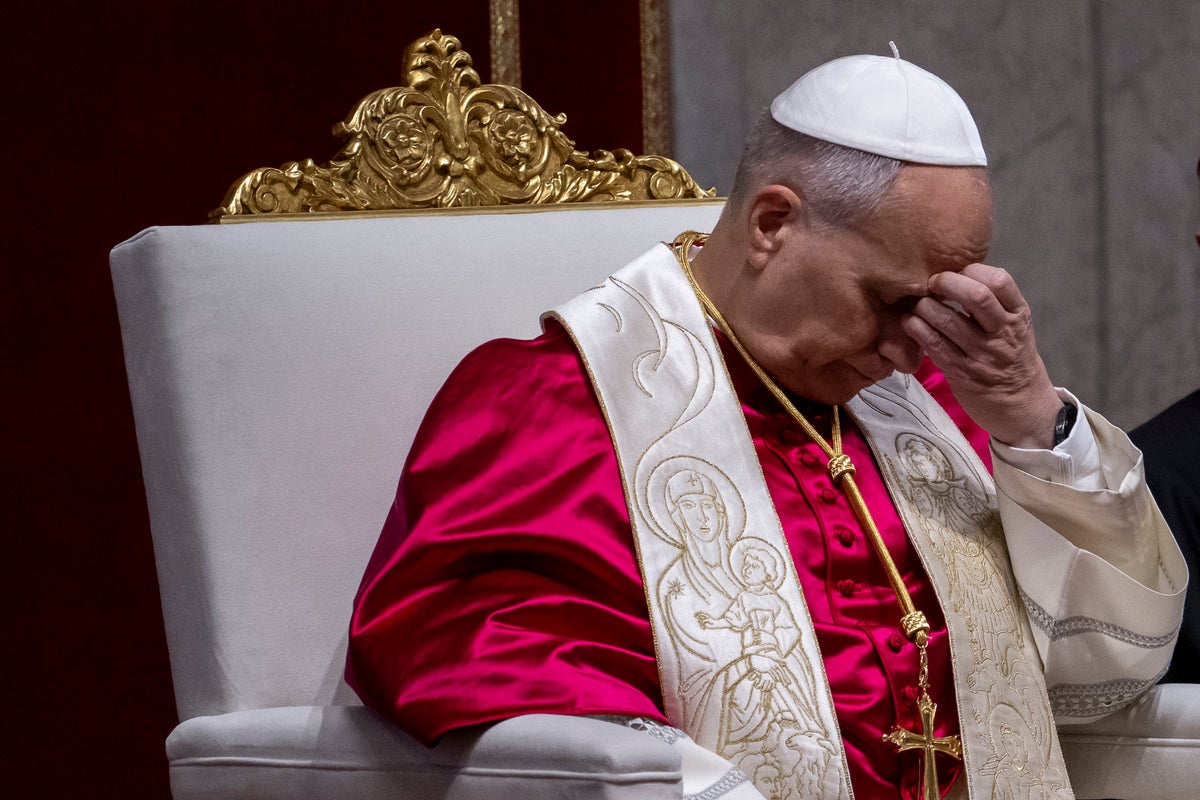
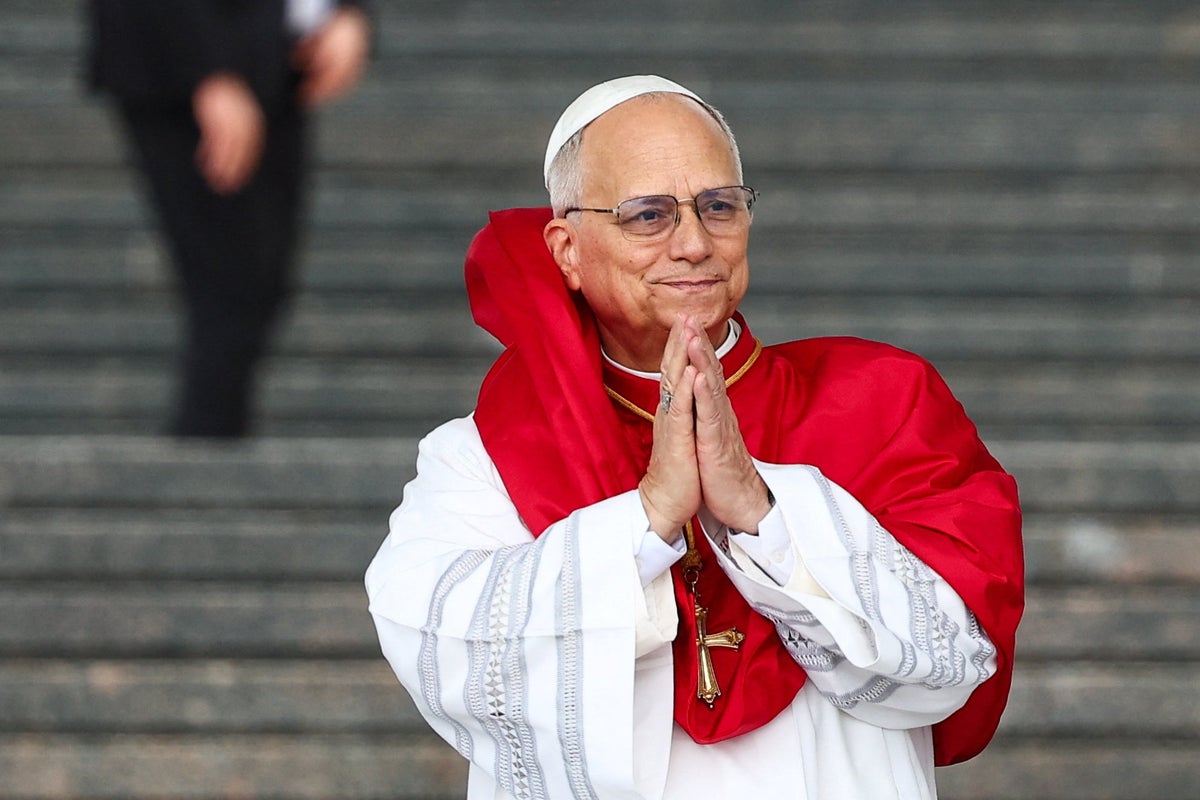
The pews of the Apostolic Church of God in Chicago didn't just hold mourners this week. They held history. When you see three former U.S. presidents—Barack Obama, Bill Clinton, and Jimmy Carter (via a moving written tribute)—standing in the same room to honor a man who never held the Oval Office, you realize the gravity of the moment. Rev. Jesse Jackson wasn't just a politician or a preacher. He was the bridge between the visceral struggle of the 1960s and the modern political reality we live in today.
Most people remember the "Rainbow Coalition" or the iconic "I Am Somebody" chant. But the funeral service for Jackson stripped away the campaign slogans to reveal the raw, uncomfortable, and ultimately triumphant legacy of a man who forced America to look in the mirror. It wasn't just a goodbye. It was a high-level summit of the American conscience.
The Presidential Seal of Approval for a Street Prophet
It’s rare to see Bill Clinton and Barack Obama share a stage without a campaign trail under their feet. At Jackson’s service, their presence served a specific purpose. They weren't just there to pay respects; they were there to acknowledge a debt.
Barack Obama’s speech hit differently. He didn't just talk about Jackson as a civil rights leader. He talked about him as a predecessor. Without Jackson’s 1984 and 1988 presidential runs, the idea of a Black man in the White House stays a fantasy for another fifty years. Jackson didn't win those primaries, but he broke the lock on the door. Obama acknowledged this directly, noting that Jackson’s "audacity to run" paved the literal path he walked on in 2008.
Bill Clinton, ever the storyteller, focused on the human tenacity. He recalled Jackson’s ability to be everywhere at once—negotiating hostage releases in Syria one day and marching for workers' rights in a small Southern town the next. Clinton’s reflection reminded everyone that Jackson’s "meddling" was actually a form of relentless diplomacy that the official State Department often couldn't, or wouldn't, touch.
Beyond the Soundbites and Into the Struggle
If you only know Jesse Jackson from cable news clips, you're missing the point of his life's work. The funeral highlighted his role as a tactical genius. Speakers from the SCLC (Southern Christian Leadership Conference) and Operation PUSH reminded the crowd that Jackson was Dr. King’s "field general."
He understood economics as a tool for liberation. While others were focused solely on the ballot box, Jackson was looking at the boardroom. He pioneered the "economic withdrawal" strategy, forcing major corporations to hire Black managers and contract with Black-owned businesses. He knew that social dignity is hollow without a bank account to back it up.
One of the most poignant moments came from his children, particularly Congressman Jonathan Jackson and Santita Jackson. They didn't paint him as a saint. They spoke about a man who was often gone, chasing justice across time zones, driven by a fire that didn't allow for a quiet domestic life. It’s a trade-off that many giants of history make, and hearing his family speak about the "public man" vs. the "private father" added a layer of humanity that a standard obituary always misses.
Why Jackson Still Bothers the Status Quo
Even in death, Jesse Jackson remains a polarizing figure for some. That’s probably exactly how he wanted it. You don't spend 60 years shaking the foundations of systemic racism and expect everyone to like you.
The funeral didn't shy away from his "Keep Hope Alive" mantra, but it also addressed the grit behind the hope. Critics often called him a "grandstander." The speakers at the service turned that on its head. If "grandstanding" meant bringing the world's cameras to a neglected neighborhood in Chicago or a jail cell in the Deep South, then Jackson was the greatest performer we've ever seen. He used the media as a lever to move the world.
The End of an Era for the Old Guard
With Jackson’s passing, we're seeing the final chapters of the original Civil Rights era being written. We've lost King, Lewis, Bond, and now Jackson. The funeral felt like a passing of the torch, but to whom?
The atmosphere wasn't just somber; it was expectant. There's a feeling that the "Jackson model" of charismatic, church-based leadership is evolving into something more decentralized and digital. Yet, the fundamental need for someone to stand up and say "I Am Somebody" hasn't changed. The demographics of the U.S. are shifting exactly the way Jackson predicted in 1984 when he talked about the "rocks" of various colors coming together to form a mountain.
What You Can Take Away From the Legacy
Don't just watch the clips of the presidents speaking and think it’s a closed book. Jackson’s life is a blueprint for anyone trying to move the needle on a massive problem.
- Leverage the "Inside-Outside" Game: Jackson knew when to march on the street and when to put on a suit and talk to the CEO. You need both.
- Coalition Building is Messy: The "Rainbow Coalition" wasn't a group of people who agreed on everything. It was a group of people who realized they had a common enemy in poverty and exclusion.
- Consistency Trumps Everything: He stayed in the fight for six decades. Most people quit when the first round of "likes" stops coming in on social media.
If you want to honor the work, stop looking for the next "Jesse Jackson." He was a singular force of nature born of a specific, brutal time in American history. Instead, look at the local organizers in your own city who are doing the unglamorous work of voter registration and economic advocacy. That’s where the "hope" he talked about actually lives. Go support a local grassroots organization like the Rainbow PUSH Coalition or a neighborhood legal aid clinic. Don't just talk about the history—participate in the next chapter.