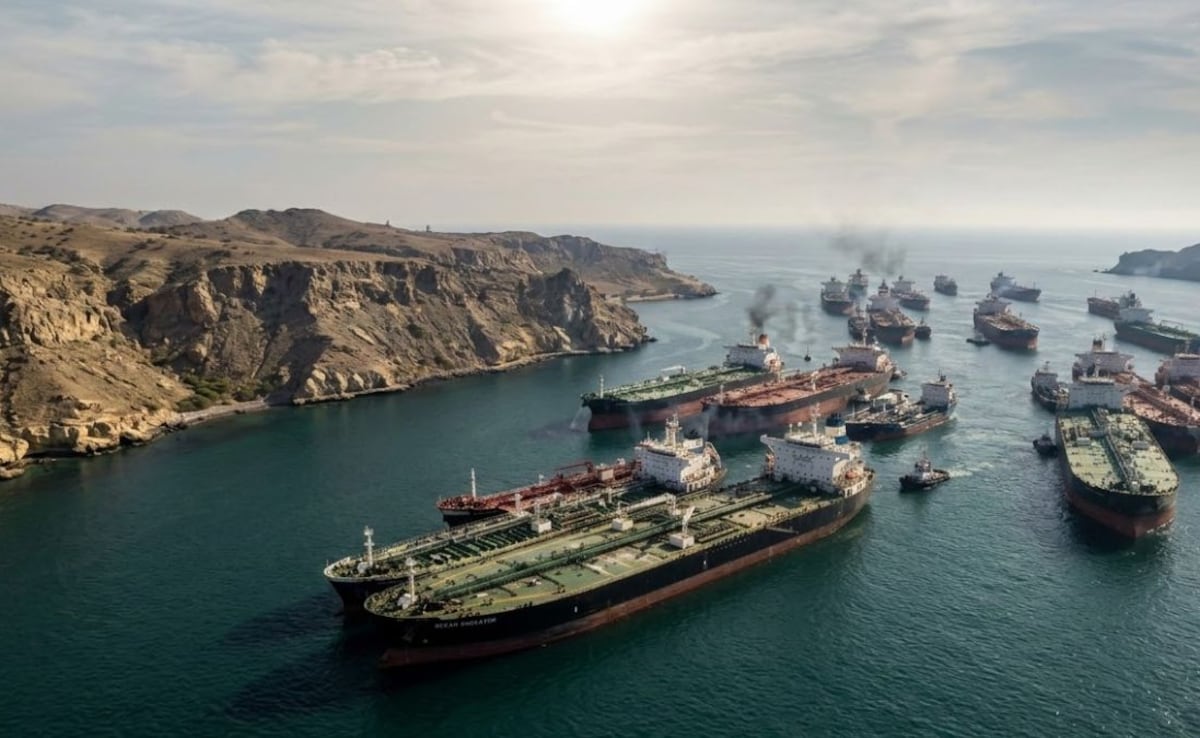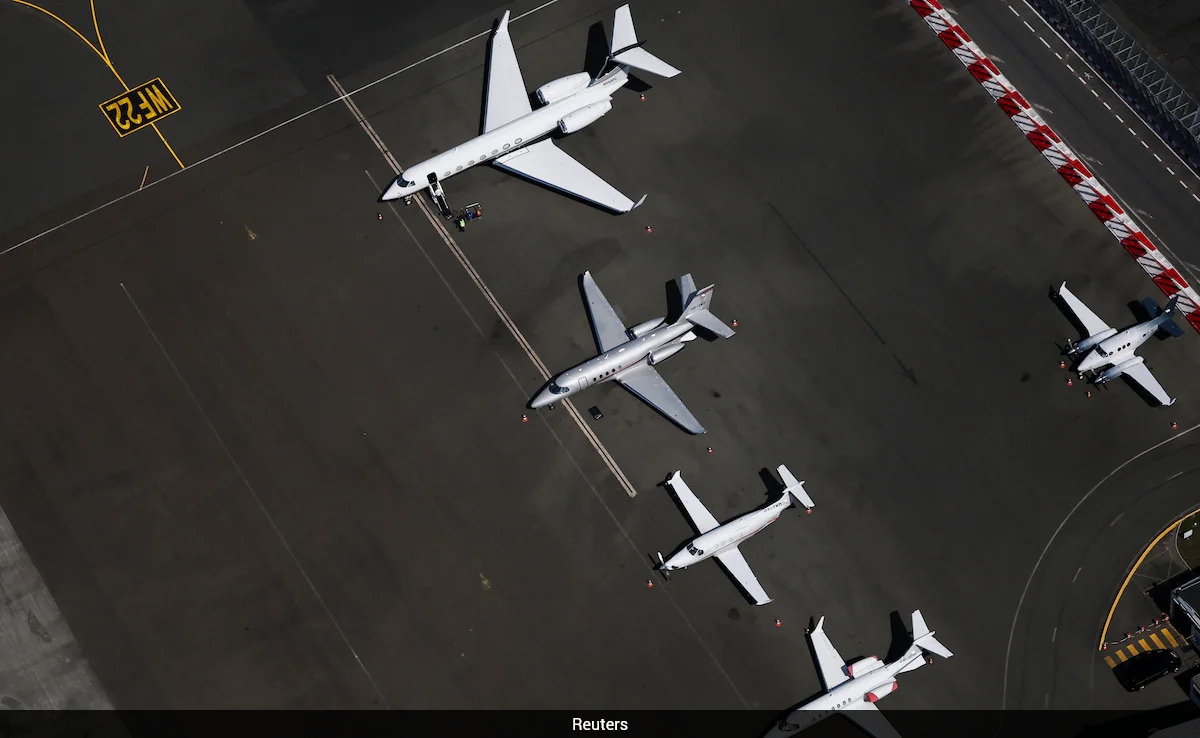
High-net-worth individuals and corporate executives are currently paying upwards of $150,000 for one-way flight segments to evacuate the Persian Gulf as regional tensions escalate. This surge in demand has stripped the charter market of available long-range aircraft, forcing brokers to source planes from as far as Europe and Southeast Asia. While commercial airlines grapple with GPS interference and shifting no-fly zones, the private aviation sector has become the sole reliable exit strategy for those who can afford the spiraling premiums. The situation is no longer about luxury. It is about a desperate scramble for operational certainty in a theater where civilian flight paths are narrowing by the hour.
The Logistics of a High Altitude Exodus
The mechanics of fleeing a potential war zone are far more complex than simply having a fueled jet sitting on a tarmac. When regional stability fractures, insurance underwriters are the first to react. Standard hull and liability policies often contain "war risk" exclusion clauses that trigger automatically when kinetic conflict begins. For a private jet to operate in or out of the Gulf right now, operators must secure "War Risk" extensions. These are not cheap. Underwriters are currently charging daily surcharges that can add $10,000 to $30,000 to a single trip, assuming they agree to cover the airframe at all.
This creates a massive bottleneck. Many fractional ownership programs and smaller charter fleets simply refuse to fly into the region because their primary insurers won't allow it. Consequently, the pool of available aircraft shrinks precisely when demand peaks. We are seeing a shift where tail numbers previously based in Dubai or Doha are being repositioned to Larnaca or Athens to stay out of the immediate line of fire while remaining close enough to perform "extract" missions for a premium.
The Shell Game of Flight Permits
Getting a plane onto the runway is only half the battle. In the current environment, flight permit lead times have ballooned. Normally, an overflight permit for Saudi Arabian or Omani airspace can be secured in 24 hours. Now, with military activity clogging the radio waves and the threat of missile batteries on high alert, those permits are being scrutinized with wartime intensity.
Pilots are also dealing with "spoofing." This isn't just a loss of signal. It involves the injection of false GPS data that can trick a plane’s navigation system into thinking it is miles off course, potentially drifting into sensitive or restricted airspace. For a Gulfstream G650 carrying a tech CEO, a navigation error isn't a minor inconvenience. It is a potential international incident. Crews are now reverting to old-school inertial navigation systems and manual cross-checks to ensure they don't become an accidental target.
Why Commercial Reliability Is a Myth
Many travelers wonder why they should pay six figures for a private cabin when a first-class ticket on a major regional carrier costs a fraction of that. The answer lies in the "ripple effect" of commercial scheduling. When a major airline cancels a flight due to a perceived threat, it isn't just one plane that stops. The entire network collapses. Crews reach their maximum duty hours, planes are out of position for the return leg, and thousands of passengers are left stranded in a terminal that might itself be a target.
Private aviation bypasses this systemic fragility. A charter flight is "on-demand." If the window of safety opens for only four hours, a private jet can take off the moment the wheels are up. They can also utilize smaller, secondary airports that are less likely to be prioritized for military use or targeted during a blockade. This flexibility is the product being sold, and right now, the price of that flexibility is at an all-time high.
The Hidden Players Profiting from the Chaos
While the public sees the flashy jets, the real money is being made by the boutique security firms and "fixers" who coordinate these departures. These entities act as the bridge between the wealthy client and the flight department. They handle the "ground truth"—verifying that the road to the airport is clear, ensuring the fuel truck actually shows up, and managing the local bureaucracy that can stall a departure for hours.
We are seeing a rise in "escorted aviation," where clients pay for a security detail to remain with them from their villa or office until the cabin door is pressurized. These firms often have back-channel communications with local authorities that your average travel agent couldn't dream of. They understand which officials need to be satisfied and which runways are actually being maintained. In a crisis, information is the most expensive commodity on the market.
The Hardware Shortage
The types of planes being requested have also changed. Small light jets or mid-size aircraft with limited range are being ignored. Clients want "Ultra-Long Range" (ULR) hardware like the Bombardier Global 7500 or the Gulfstream G700. The reason is simple: fuel stops are a liability. If you have to land in a neighboring country to refuel, you are doubling your exposure to bureaucratic delays or being grounded by a sudden change in local policy.
A ULR jet can fly from the heart of the Gulf directly to London, Paris, or even New York without touching the ground. This "one-jump" escape is the gold standard of modern crisis management. Because there are so few of these aircraft in the global charter fleet, brokers are engaging in bidding wars. It is not uncommon for a client to agree to a price, only to have the plane poached two hours later by someone willing to pay an extra $50,000.
The Moral and Financial Cost of the Exit
There is a grim reality to this market. The ability to leave a conflict zone is increasingly tied to liquid net worth. As the price of seats on the few remaining commercial flights climbs, the middle class is squeezed out, while the ultra-wealthy simply view the $200,000 invoice as a necessary business expense. This isn't just about comfort; it's about the tiered nature of modern safety.
For corporations with "Duty of Care" obligations to their expatriate staff, the bill is even higher. Fortune 500 companies often have standing contracts with evacuation providers. These contracts are being tested to their breaking points. When a company has to evacuate twenty families, they aren't looking for one jet; they need a fleet. The logistical strain of coordinating a mass private exit while maintaining the secrecy required to avoid a panic is a nightmare for even the most seasoned travel department.
Redefining the Safe Haven
The destination of these flights has also shifted. Historically, nearby hubs were sufficient. Today, people are looking for distance. We are seeing a massive uptick in flights toward "neutral" ground in Central Asia or more established western hubs. The goal is to get behind a significant geographic or political barrier as quickly as possible.
The data shows that flight volume out of private terminals in the region has spiked by nearly 40% in the last three weeks alone. Most of these flights are filed as "repositioning" or "private transport" to avoid drawing undue attention to the scale of the departure. However, the empty hangers at major FBOs (Fixed Base Operators) tell the real story. The money is moving, and the people are following.
Assessing the Longevity of the Trend
Is this a temporary spike or a permanent shift in how the elite view the Gulf? For years, cities like Dubai were seen as untouchable oases. The current crisis has shattered that illusion of total immunity. Even if the immediate threat of war recedes, the "evacuation infrastructure" that has been built over the last month will remain.
Investors are now looking at "exitability" as a primary metric for regional commitment. If you can't guarantee you can get your leadership team out in under six hours, you don't have a viable regional headquarters. This realization is driving a quiet but steady outflow of permanent private aviation assets to more stable jurisdictions. The planes aren't just leaving for a week; many are being re-registered in the Isle of Man or San Marino and won't be coming back to a Gulf-based fleet anytime soon.
The market for these flights will eventually stabilize, but the floor has been raised. The era of the "cheap" $40,000 repositioning leg is over. Operators have seen what the market will bear when fear is the primary motivator, and they are unlikely to lower their rates until the regional map looks significantly different.
If you are currently holding a contract for a regional charter, read the fine print regarding "Force Majeure" and "War Risk" surcharges immediately. Your scheduled departure is only as solid as the insurance policy backing the tail number, and in this climate, that policy can vanish faster than the fuel in a climbing jet.