The headlines screaming about a forty-eight-hour gas supply window are technically accurate but intellectually lazy. While the media fixates on a ticking clock, the real story isn't the countdown—it’s the decades of deliberate policy choices that stripped the United Kingdom of its energy armor. Britain is currently operating on the thinnest margins of any major European economy, a high-stakes gamble that relies on the hope that international markets will always be liquid and the weather will always be kind.
When people hear that the UK has "two days" of gas left, they often mistake this for a total blackout scenario. That is not how the grid works. Instead, it means that if every import pipe from Norway and every LNG tanker from Qatar stopped moving simultaneously, the domestic reserves would be drained in forty-eight hours. Compared to Germany’s eighty-nine days or France’s one hundred and three, the UK is essentially living paycheck to paycheck in energy terms.
The Rough Reality of Strategic Neglect
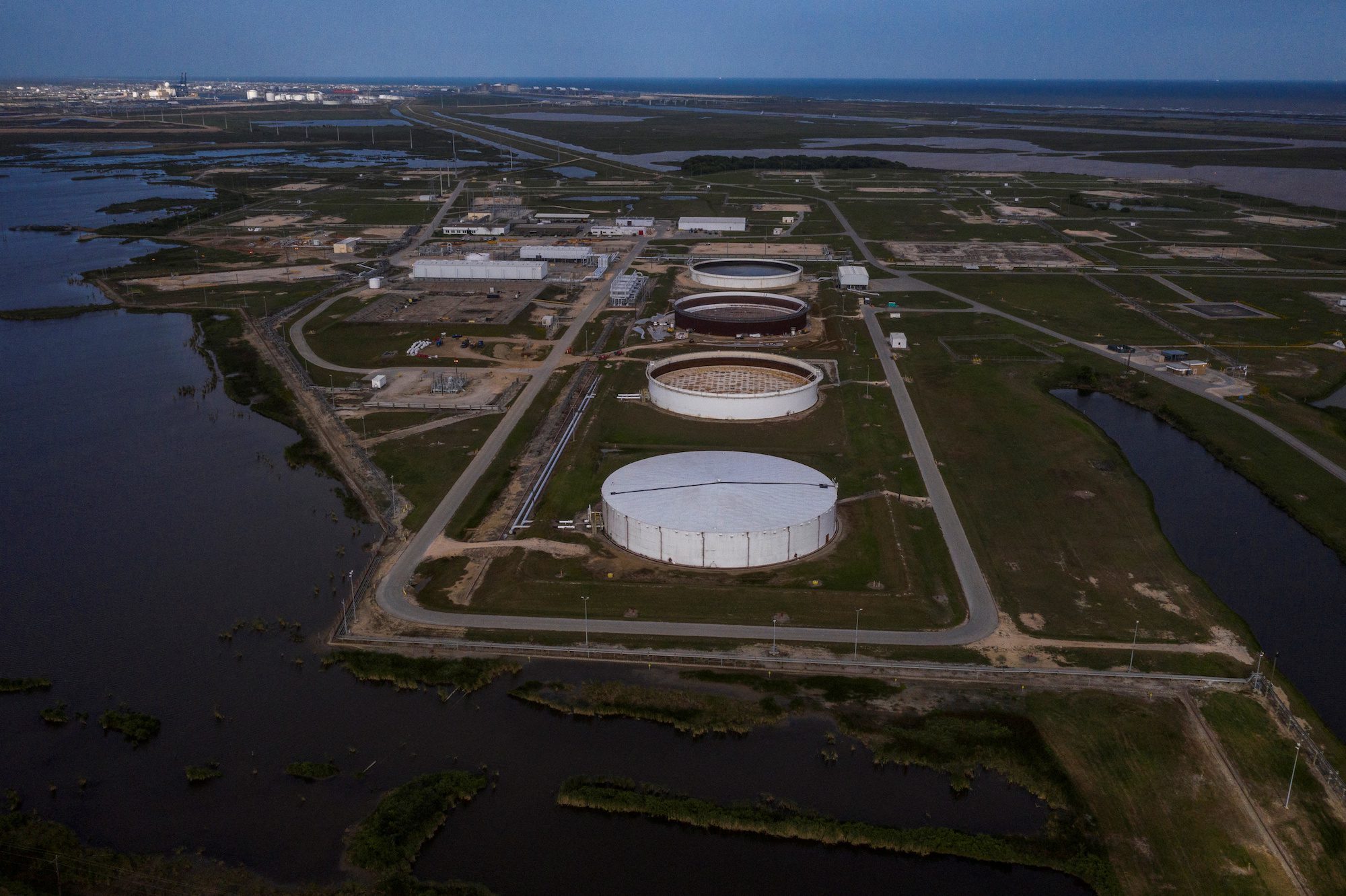
The centerpiece of this vulnerability is the saga of the Rough gas storage facility. Located off the coast of Yorkshire, Rough once accounted for roughly 70% of the UK’s total storage capacity. In 2017, Centrica decided to pull the plug on the site, citing the high cost of maintenance and a lack of government subsidies to keep the aging wells operational.
At the time, the prevailing wisdom in Whitehall was that the market would provide. The logic was simple: why pay to store gas underground when we can just buy it on the "just-in-time" market? This was the peak of neoliberal energy theory, assuming that global supply chains were unbreakable. It ignored the reality that pipelines are geopolitical levers and tankers can be diverted to the highest bidder in Asia at a moment's notice.
While Rough has been partially reopened, it operates at a fraction of its former glory. We are trying to fill a swimming pool with a garden hose while the neighbors are already doing laps in theirs. The lack of heavy-duty, long-term storage means the UK is hyper-sensitive to "price spikes." We don't just run out of gas; we get held over a barrel by the global spot price because we have no choice but to buy.
The Just In Time Myth
The British energy model is built on the Interconnector system—massive subsea pipes that link the UK to Belgium, the Netherlands, and Norway. On paper, this is efficient. In practice, it makes the UK a "price taker" rather than a "price maker."
When a cold snap hits Europe, every nation scrambles for the same molecules. If the UK had significant storage, it could withdraw its own cheap gas bought in the summer. Without it, the National Grid must outbid every other European utility. This is why British heating bills often feel more volatile than those on the continent. We aren't just paying for the gas; we are paying a "desperation premium" because the world knows our cupboards are bare.
The vulnerability isn't just about domestic heating. Gas remains the primary fuel for marginal electricity generation. When the wind doesn't blow and the sun doesn't shine, gas-fired power stations ramp up to keep the lights on. If the gas supply is tight, the electricity price doesn't just rise; it rockets. This creates a feedback loop that hits industrial productivity and pulls the rug out from under manufacturing sectors that cannot plan their costs more than a week in advance.
Geopolitics and the LNG Pipe Dream
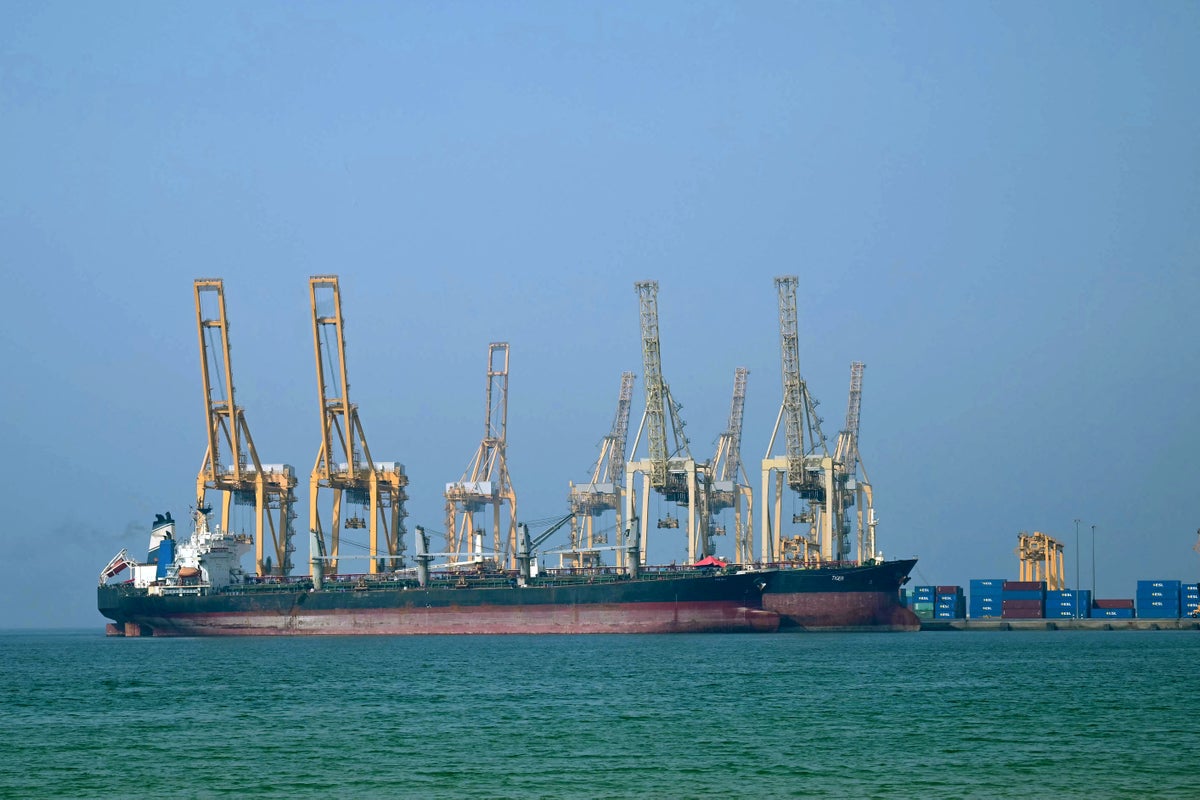
The government often points to our Liquefied Natural Gas (LNG) terminals as the solution. Isle of Grain, South Hook, and Dragon are impressive feats of engineering. They allow the UK to receive gas from the United States, Qatar, and Peru. However, relying on LNG is like relying on a grocery delivery service instead of having a pantry.
- Diversion Risk: A tanker heading for Milford Haven can be rerouted to Tokyo mid-voyage if the JKM (Japan Korea Marker) price jumps high enough.
- Infrastructure Bottlenecks: Even if we buy the gas, we have to turn it back into a vapor and pump it into the grid. There is a physical limit to how fast we can do this.
- Weather Dependency: Heavy storms in the Atlantic can delay docking for days, turning a "two-day supply" into a zero-day supply very quickly.
The systemic failure here is the confusion of "diversity of supply" with "security of supply." Having many sources is good, but having no internal buffer is a structural defect. It is the difference between a man with ten credit cards and a man with ten thousand pounds in a savings account. One can handle a crisis; the other just manages it until the credit limit hits.
The Cost of Inaction
For years, industry analysts warned that the UK was becoming an outlier. While the European Union passed mandates requiring member states to fill their storage to 90% before winter, the UK stayed the course on its market-led approach. The result is a system that is perfectly optimized for a world that no longer exists—a world of cheap, abundant Russian gas and stable global shipping.
We now live in a world of energy weaponization. When supply is used as a tool of statecraft, the lack of storage isn't just an economic issue; it’s a national security failure. The "two days" figure is a symptom of a deeper malaise: a refusal to invest in boring, unsexy infrastructure like salt caverns and depleted gas fields because the return on investment takes decades, not quarters.
The solution isn't a mystery. It involves massive capital injection into new storage projects like the proposed Aldbrough expansion and providing a "floor price" for storage operators so they aren't wiped out when prices are low. It requires moving away from the "just-in-time" obsession and toward a "just-in-case" philosophy.
The UK needs to stop treating energy security as an accounting exercise and start treating it as the foundation of a sovereign state. Every day we delay building new storage is another day we gamble with the heat in our homes and the power in our factories. The clock isn't just ticking for the next forty-eight hours; it has been ticking for twenty years.
Stop looking at the weather forecast and start looking at the balance sheet of our national resilience.