Pakistan has reached a defining crossroads in its long-standing financial relationship with the United Arab Emirates. By the end of April 2026, Islamabad will return $3.5 billion to Abu Dhabi, a move that officials are framing as a defense of "national dignity" but which market analysts recognize as a forced retreat. This is not a standard scheduled repayment. It is the result of a significant shift in Emirati policy, where the era of unconditional rollovers has been replaced by a demand for immediate settlement or equity-based investment.
The decision will drain nearly 18% of the State Bank of Pakistan’s foreign exchange reserves in a single stroke. With current holdings hovering around $16.3 billion, a $3 billion-plus outflow leaves the country with a dangerously thin buffer. While the Ministry of Finance insists it is managing "external flows" to ensure stability, the reality on the ground suggests a relationship that has transitioned from fraternal support to cold, hard transactionality. Don't miss our earlier article on this related article.
The End of the Rollover Era
For decades, Pakistan relied on a predictable cycle of "soft loans" from Gulf allies. These deposits were essentially permanent fixtures on the central bank's balance sheet, rolled over annually to keep the country from defaulting. That cycle has broken.
Beginning in late 2025, the UAE began shortening the duration of these extensions, sometimes to as little as thirty days. This was a clear signal of Emirati unease. Abu Dhabi is no longer interested in providing perpetual liquidity to a neighbor that struggles with structural reform. Instead, the UAE has pivoted toward a "deposits-for-equity" model. If Pakistan cannot pay in cash, the UAE expects payment in assets. To read more about the history here, Reuters Business provides an excellent breakdown.
The $3.5 billion repayment represents the portion of debt that Islamabad chose to settle rather than convert into Emirati ownership of domestic industries. It is a desperate attempt to maintain a semblance of financial sovereignty, even if it leaves the national treasury hollowed out.
Divergent Strategic Paths
The friction between Islamabad and Abu Dhabi is not merely about a balance sheet. It is about a fundamental mismatch in how both nations view the current geopolitical order.
The UAE has spent the last several years positioning itself as a pragmatic, secularized global hub, prioritizing economic diversification and stable regional partnerships. It has strengthened ties with India and Israel, focusing on a post-oil future. In contrast, Pakistan remains mired in domestic political volatility and ideological rigidity.
- Inconsistent Diplomacy: Islamabad’s tendency to oscillate between populist rhetoric and urgent pleas for bailouts has exhausted the patience of Emirati leadership.
- Security Architecture: While Pakistan's military was once the primary security provider for the Gulf, the UAE has since diversified its security partnerships, involving more multipolar coordination with the West and other regional actors.
- Economic Credibility: The withdrawal of several high-profile Emirati investment proposals in late 2025 served as a precursor to the current demand for debt repayment.
The IMF Complication
This massive outflow happens at the worst possible time for Pakistan's standing with the International Monetary Fund. Under the current program, Pakistan is mandated to secure roughly $12.5 billion in rollovers from China, Saudi Arabia, and the UAE. By returning the UAE’s $3.5 billion instead of rolling it over, Islamabad is effectively poking a hole in the very financing plan the IMF approved.
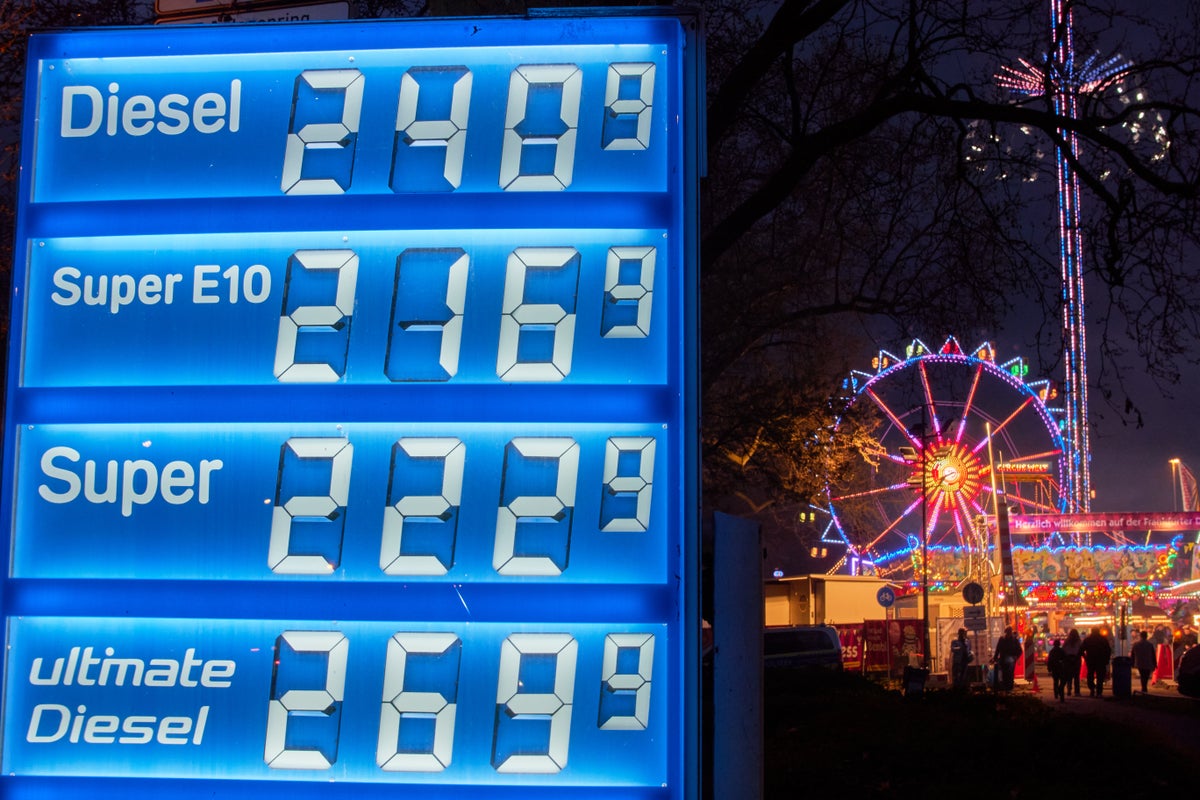
If replacement financing is not secured immediately, the rupee will face immense downward pressure. We have already seen the domestic fallout of this fiscal tightening. Petrol prices recently spiked by 43%, and diesel by 55%, leading to chaos in the National Assembly and widespread public protests. The government is caught in a pincer movement: satisfy the international lenders by draining reserves, or satisfy the public by subsidizing costs and risking a total economic collapse.
Asset Liquidation as a Last Resort
To mitigate the damage of this $3.5 billion exit, Pakistan is moving toward a fire sale of state-linked assets. Negotiations are already finalized to transfer shares of the Fauji Group—a massive conglomerate with interests in fertilizers, cement, and food—to Emirati entities in exchange for a $1 billion deposit.
Furthermore, another $2 billion in older UAE soft loans is being converted into long-term "productive investment." This is a polite way of saying the UAE is taking over Pakistani infrastructure and energy projects because the cash to pay back the loans simply does not exist.
The Cost of Dignity
Official government spokespeople have used the phrase "national dignity" to justify the decision to pay back the $3.5 billion rather than beg for another extension. It is a powerful sentiment, but dignity is an expensive commodity when your import cover is measured in weeks, not months.
The immediate result of this repayment will be an 18% reduction in the central bank’s ability to defend the currency or pay for essential imports like medicine and energy. While the move ends the humiliating cycle of monthly extensions, it leaves the country's economic heart exposed.
Pakistan is learning a brutal lesson in modern statecraft: in the eyes of the Gulf, religious and cultural affinity no longer buys a seat at the table. Only economic reliability does. By returning these funds, Islamabad is attempting to clear the slate, but without radical internal reform, it is only a matter of time before they are forced to ask for the money back—likely at a much higher price.
The era of the "friendly bailout" is dead. In its place is a cold, transactional reality where debts are paid in either dollars or the very soil of the nation.