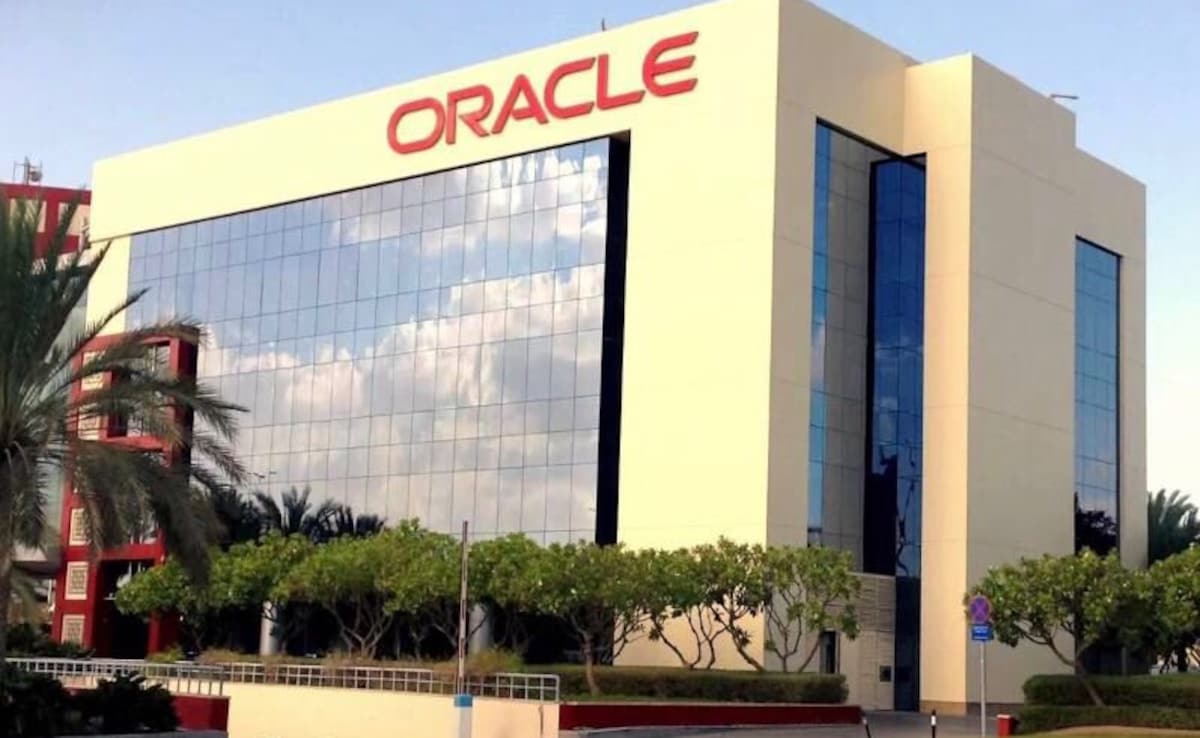
The headlines are screaming about shrapnel. They want you to look at the broken glass and the scorched siding of the Oracle building in Dubai. They want you to focus on the spectacular nature of an "intercepted missile" because it’s easy, it’s visceral, and it sells ads. But focusing on the physical debris is a rookie mistake. If you think the story here is about kinetic warfare hitting a cloud provider, you’ve already lost the plot.
The real story isn't that a building got hit. It’s that we are still pretending these shiny glass towers in "safe" hubs are the bedrock of digital stability. They aren't. They are liability traps.
I have spent two decades watching Fortune 500 companies pour billions into physical infrastructure in regions they describe as "stable" right up until the moment they aren't. We treat geopolitical risk like a freak weather event—something to be insured against and then ignored. That mindset is a relic. Oracle’s damaged facade is a billboard for the hubris of centralized physical presence in an era of distributed risk.
The Glass Tower Fallacy
Most people look at the Dubai skyline and see progress. I see an architectural nightmare for data integrity. The competitor reports focus on the "heroic" interception of the missile and the "minimal" damage to the Oracle facility. This is a PR-friendly lie by omission.
Physical damage is the least of your concerns when a regional hub becomes a kinetic theater. The moment shrapnel hits a building, the real damage happens in the boardroom and the insurance office.
- Insurance Premiums: Force Majeure clauses are being rewritten in real-time. If you think your "Premium Cloud" contract covers the downtime associated with regional instability, read the fine print.
- The Talent Exodus: You can fix a server rack. You can’t fix a panicked workforce. The psychological hit to the "safest hub in the MEA" is a long-term rot that no amount of glass replacement can fix.
- Latency vs. Liberty: We build these local regions to shave off 20 milliseconds of latency. Is that 20ms worth the risk of a physical shutdown when a conflict escalates?
Imagine a scenario where a major cloud provider loses not just a facade, but a cooling system during a heatwave in the UAE because of "minor" debris. The hardware fries in minutes. The "redundancy" everyone talks about is often localized in the same geographic risk zone. That isn't resilience; it’s a cluster.
Stop Asking if the Building is Safe
The "People Also Ask" sections are filled with questions like, "Is Dubai safe for tech companies?" or "How protected are data centers from missiles?"
These are the wrong questions. The premise is flawed. You are asking for a guarantee of safety in an increasingly volatile world. The better question is: Why does your digital strategy depend on a physical location that requires a missile defense system to function?
True digital sovereignty means your operations should be able to vanish from a physical location and reappear elsewhere before the debris even hits the ground. If Oracle—or any of its clients—actually suffered a dip in service because of a physical hit to a building, they have failed the basic test of cloud architecture.
The industry consensus is that "on-the-ground presence" shows commitment to a market. I argue it shows an inability to evolve. We are still building digital cathedrals in a world that requires digital nomads.
The Myth of "Business as Usual"
The media loves the "business as usual" narrative. They’ll show a photo of a crew cleaning up glass and tell you the markets are steady. This is a comforting fairy tale for shareholders.
When a missile is intercepted over a major tech hub, "business as usual" dies. What follows is a quiet, desperate re-evaluation of geographic risk. I’ve been in those rooms. I’ve seen the spreadsheets where "Geopolitical Stability" goes from a 9/10 to a 4/10 in a single afternoon.
- The Relocation Reality: Companies won't announce they are leaving. They’ll just stop expanding. They’ll move their critical workloads to Dublin or Virginia while keeping a skeleton crew in the "damaged" hub for PR purposes.
- The CAPEX Trap: Oracle has invested heavily in these physical regions. They can't just walk away. They are tethered to the ground by billions in hardware. That makes them vulnerable in a way a truly decentralized entity is not.
Hard Truths for the "Cloud First" Crowd
We’ve been sold a bill of goods that the cloud is an ethereal, untouchable entity. It’s not. It’s a series of basements and warehouses filled with expensive silicon and copper, often located in places that are geopolitical tinderboxes.
- Geography is destiny: You can’t "software-define" your way out of a kinetic strike.
- Redundancy is a lie: If your backup site is in the same power grid or the same flight path, you don't have a backup. You have a second target.
- Physical security is theater: No amount of security guards or "interceptors" can protect the long-term viability of a tech hub once the perception of safety is shattered.
Oracle’s broken windows are a warning to every CTO who thinks a "Region" in a glossy brochure is the same as a safe harbor. It’s time to stop worshipping the physical footprint. The future doesn't belong to the companies with the biggest buildings in the most prestigious cities. It belongs to the ones who can survive the total loss of those buildings without a blip in their dashboard.
If you’re still checking the news to see if the glass has been replaced, you’re missing the point. The glass is irrelevant. The fact that the glass can be reached at all is the only thing that matters.
Build for a world where every building is a target, or don't bother building at all.