Washington is attempting to do with a checkbook and a naval escort what the global insurance market no longer has the stomach for. On Tuesday, President Donald Trump issued a directive intended to break the paralysis gripping the Strait of Hormuz, ordering the U.S. International Development Finance Corporation (DFC) to provide "political risk insurance" to any shipping line brave enough to enter the world's most dangerous waterway.
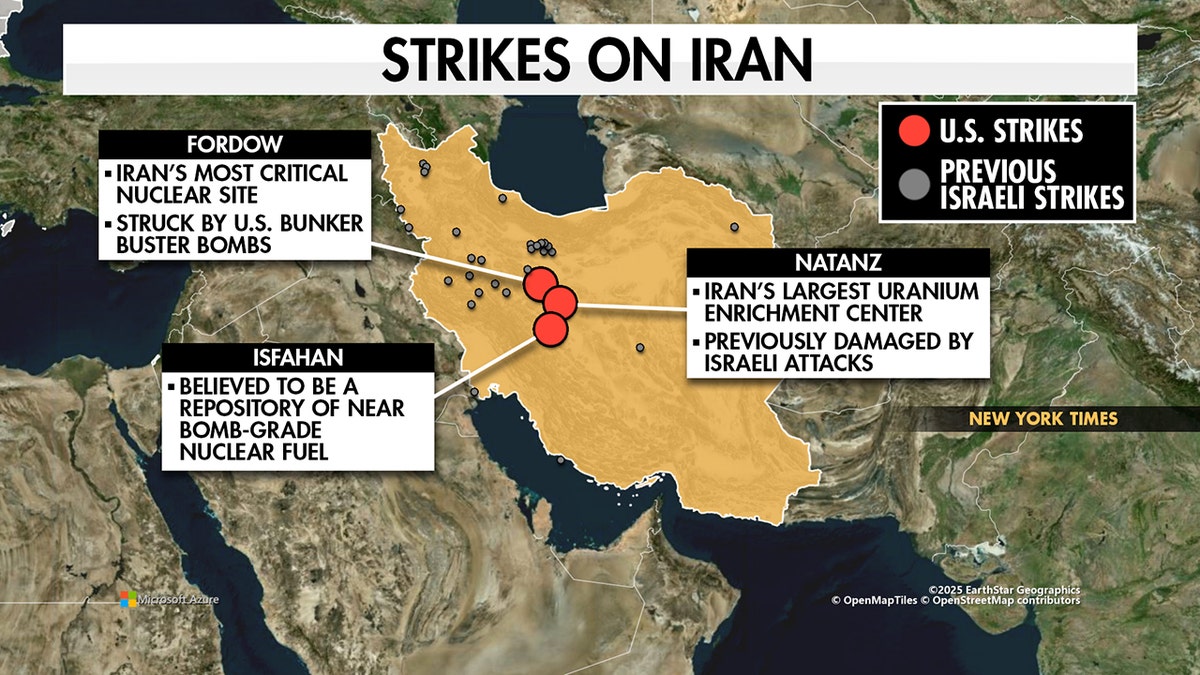
The move is an admission that the global energy market is currently broken. Following joint U.S. and Israeli strikes on Iran and subsequent retaliatory attacks that have left tankers burning and the IRGC broadcasting warnings to stay away, private insurers have effectively abandoned the Gulf. By stepping in as the insurer of last resort, the White House is betting that American taxpayers can absorb the financial risks of a regional war to keep oil prices from hitting $100 a barrel. You might also find this similar coverage useful: Why Trump is Right About Tech Power Bills but Wrong About Why.
The Shell Game of Sovereign Guarantees
Marine insurance is usually the quiet engine of global trade, but right now, it is a screeching halt. When the London and Tokyo markets withdraw "war risk" cover, ships simply stop moving. No captain will sail a $100 million vessel with a $50 million cargo into a zone where hypersonic missiles are in flight without a guarantee that someone will pay if they are hit.
The DFC directive attempts to bypass this by offering "reasonable price" coverage. This is not a standard business move; it is a massive transfer of liability from private equity and insurance syndicates to the U.S. government. While the President’s Truth Social post emphasizes "economic might," the reality is that the DFC—typically an agency for development in emerging markets—is now being repurposed as a wartime underwriter. As highlighted in latest coverage by Investopedia, the results are widespread.
Critics and industry veterans are already questioning if the DFC has the infrastructure to handle the complex claims of a naval conflict. It is one thing to insure a power plant in sub-Saharan Africa; it is another to underwrite a VLCC (Very Large Crude Carrier) during a blockade. If a dozen tankers are seized or sunk, the "reasonable prices" paid by shipping lines will be a drop in the ocean compared to the payouts required.
Why the Navy Escort is a Hard Sell
The second half of the mandate involves the U.S. Navy. The President’s promise to "escort tankers through the Strait" evokes memories of Operation Earnest Will in the late 1980s. However, the 2026 version of this mission faces a far more sophisticated threat. The IRGC of today is not the fleet of speedboats from the Reagan era. They possess shore-based anti-ship missiles, swarming drones, and a willingness to close the gap that complicates any traditional convoy.
Naval officials have already been blunt behind closed doors. With a significant portion of the fleet already engaged in strike operations and air defense, the "workload" of providing close-in protection for every commercial ship is staggering. A standard transit of the Strait is not a quick dash; it is a 1,000-mile gauntlet from Kuwait down to the Gulf of Oman.
Furthermore, the legal status of these escorts is a minefield. During the "Tanker Wars" of the 80s, foreign ships had to be "reflagged" as American vessels to receive protection. If the Trump administration intends to protect all shipping lines regardless of their flag, it creates a precedent where the U.S. Navy becomes a global security service for any nation’s energy interests—including those of strategic competitors who rely on Mideast oil.
The Hidden Cost of the Free Flow
The administration’s goal is to prevent a domestic inflation spike before the midterm elections. By keeping the oil flowing, they hope to suppress the 8.6% jump in U.S. crude prices seen this week. But this strategy carries a hidden cost that isn't reflected at the pump.
When the government subsidizes risk, it encourages behavior that the market says is too dangerous. If the U.S. provides the insurance and the muscle, shipping companies have less incentive to find alternative routes or invest in the long-term energy independence the Maritime Action Plan (MAP) ironically calls for.
- Market Reality: At least 26 tankers are currently drifting or berthed, waiting for more than just a social media post to move.
- Economic Stakes: One-fifth of the world's oil is at a standstill.
- The Asian Factor: China and India receive 80% of the oil transiting this chokepoint.
If the U.S. taxpayer is the one insuring the ships, Washington is effectively subsidizing the energy security of Beijing and New Delhi. This creates a strange paradox for an administration built on "America First" principles.
Navigating the Blockade
The Strait of Hormuz is technically 21 miles wide, but the shipping lanes are only two miles wide in each direction. This narrowness makes the "escort" promise a logistical nightmare. It turns every convoy into a slow-moving target. If a single ship is disabled in the lane, the entire corridor can become physically blocked, rendering the insurance policies moot.
The real test will come in the next 72 hours. If a U.S.-insured tanker attempts the transit and is engaged by Iranian forces, the White House will be forced to choose between a full-scale naval war or a humiliating retreat that would render the DFC guarantees worthless. There is no middle ground in a waterway that has become a shooting gallery.
The shipping industry is currently watching to see if the first "guaranteed" vessel actually makes it to the Gulf of Oman. Until then, the "Free Flow of Energy" remains a policy goal rather than a maritime reality.
Would you like me to look into the specific legal requirements for foreign vessels to qualify for this DFC political risk insurance?