The standard diplomatic narrative is a comfortable lie. We watch the headlines—"Putin calls for ceasefire," "Moscow engages with Qatar and the UAE"—and we are expected to nod along to the idea of Russia as a stabilizing mediator. It is a surface-level reading that ignores the brutal gravity of realpolitik.
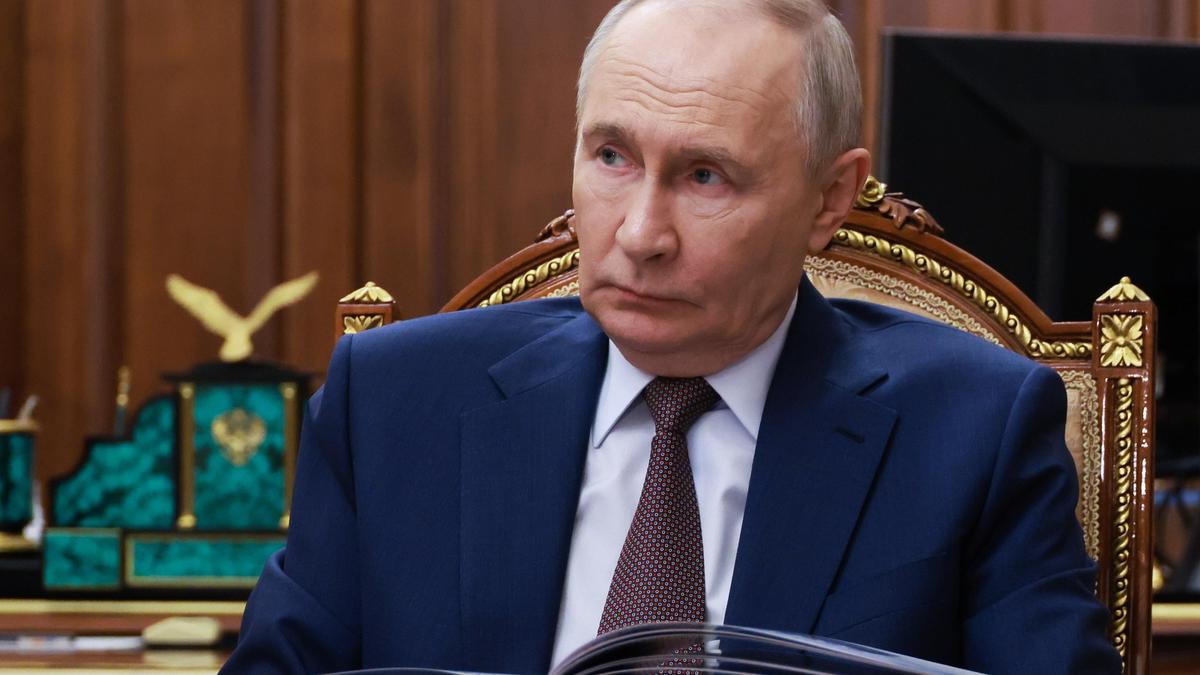
Vladimir Putin is not a peacemaker. He is an opportunist managing a portfolio of chaos.
When the Kremlin releases a readout of a call with President Sheikh Mohamed bin Zayed Al Nahyan or Emir Tamim bin Hamad Al Thani, the "lazy consensus" is that Russia is desperate to project its former Soviet-era superpower status. The media paints a picture of a sidelined leader trying to grab a seat at a table dominated by Washington. This view is fundamentally flawed. Russia doesn't want a seat at the American table; it wants to flip the table over while the world is busy looking for the appetizers.
The Geopolitical Arbitrage of Instability
Peace in West Asia (the Middle East, for those stuck in Western naming conventions) is actually a net negative for the current Russian state strategy. To understand why, you have to look at the world through the lens of Geopolitical Arbitrage.
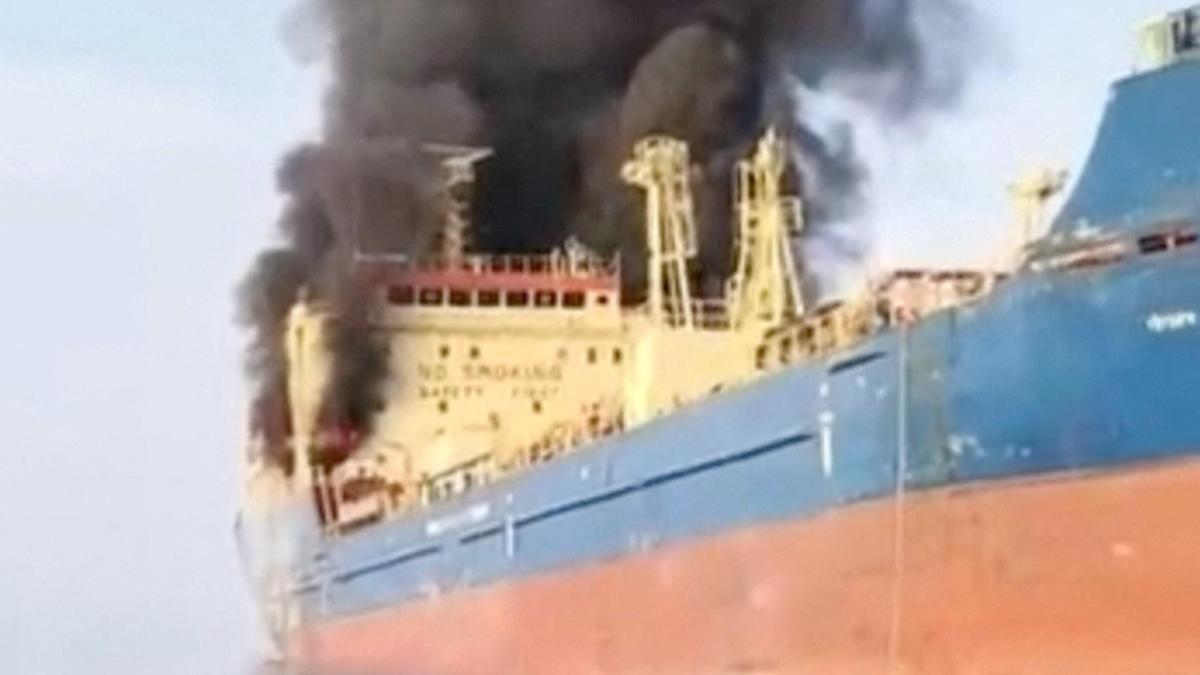
Russia’s economy is currently a war machine fueled by energy exports. Every time a missile flies in the Levant or a tanker is threatened in the Red Sea, the risk premium on Brent Crude ticks upward. Moscow doesn't need a regional conflagration that destroys its partners, but it absolutely benefits from a "controlled burn."
When Putin "urges" a ceasefire, he isn't seeking a resolution. He is performing a diplomatic ritual that achieves three specific goals:
- Validation of Sovereignty: By engaging the UAE and Qatar, he demonstrates that the Western attempt to "isolate" Russia is a localized European fantasy.
- Resource Diversion: Every hour the Biden or Trump administration spends on de-escalation in Gaza or Lebanon is an hour they aren't spending on the logistics of the 155mm shell supply chain for Kyiv.
- The "Non-Western" Alternative: He is positioning Russia as the only "rational" actor that doesn't carry the baggage of unconditional support for any single side, unlike the United States.
The UAE-Qatar Pivot: It’s About Capital, Not Chemicals
The competitor's coverage treats these calls as mere "diplomatic outreach." That is a massive oversimplification. These calls are about sanction-proofing.
The UAE has become the world’s most significant clearinghouse for Russian wealth and commodities since 2022. Qatar remains a primary competitor in the Liquefied Natural Gas (LNG) market, yet a vital partner in the Gas Exporting Countries Forum (GECF).
I’ve watched analysts miss the forest for the trees for a decade. They think these talks are about the humanitarian corridor in Gaza. They aren't. They are about ensuring that the financial plumbing between Moscow, Abu Dhabi, and Doha remains unclogged. Putin’s "concern" for the region is a signal to these monarchs: I am a reliable partner who respects your regional interests, unlike the Americans who might sanction you or lecture you on human rights the moment the political wind shifts.
The Calculus of "Controlled Chaos"
Let’s look at the mechanics. If a total regional war breaks out, Russia loses its base in Tartus, Syria, and its influence in Libya. If total peace breaks out, the U.S. successfully integrates Israel into the region via the Abraham Accords, creating a pro-Western security architecture that renders Russia irrelevant.
Putin’s sweet spot is the Perpetual Pivot.
Imagine a scenario where the conflict stays exactly as it is—low-intensity, high-visibility, and emotionally draining for the West. In this scenario:
- Oil prices stay north of $80.
- The U.S. continues to deplete its interceptor missile stockpiles (Patriots, THAAD).
- The Global South grows increasingly resentful of Western "double standards."
This isn't a failure of Russian diplomacy; it is the desired outcome.
Dismantling the "Mediator" Myth
People often ask: "Can Russia actually broker a peace deal?"
The answer is a brutal "No," and Putin knows it. Russia lacks the financial "carrot" that the U.S. provides and the "stick" of a massive regional carrier group. But Russia has something else: The Spoiler’s Veto.
Moscow can talk to Hamas. It can talk to Iran. It can talk to Israel (though the relationship is currently on life support). By merely existing as a communications channel, Russia prevents the West from having a monopoly on the "solution."
The Accuracy Check: The Syria Precedent
Look at what happened in Syria. The "status quo" experts said Russia would be bogged down in a "quagmire" (a favorite word for people who don't understand asymmetric warfare). Instead, Russia used a minimal footprint to secure a permanent Mediterranean presence and turned Syria into a live-fire testing ground for its military tech.
Putin is applying the Syria playbook to the broader West Asian crisis. He isn't trying to "solve" the Gaza-Israel conflict. He is trying to "own" a piece of the outcome so that nothing can happen without a phone call to the Kremlin.
Stop Asking the Wrong Questions
Most people ask: How can Putin help stop the war? The correct question is: How does the continuation of the "search for peace" serve the Russian budget?
The "ceasefire" calls are a branding exercise. It’s a cheap way to look like a statesman while the world burns in a way that happens to melt your neighbor's frozen assets.
If you are waiting for a Russian-brokered breakthrough, you are fundamentally misunderstanding the nature of modern power. Power isn't about solving problems anymore. It's about being the person who manages the disaster so efficiently that everyone forgets you were the one holding the matches in the first place.
The UAE and Qatar Aren't Buying the Rhetoric Either
Don’t mistake the Gulf leaders for naive participants. They are the ultimate practitioners of "multi-alignment." They take the call from Putin because it gives them leverage against Washington.
- UAE's Strategy: Using Russian liquidity to build a post-oil financial empire while keeping the U.S. security umbrella.
- Qatar's Strategy: Acting as the world’s indispensable "switchboard," talking to the Taliban, Hamas, and the CIA simultaneously.
When Putin calls, they aren't discussing "peace" in any sense that a Red Cross volunteer would recognize. They are discussing the realignment of the global financial order and the inevitable shift toward a multipolar world where the dollar isn't the only currency that matters.
The Dark Reality of the "Call"
Every time a readout mentions "concern for the civilian population," read it as "concern for the preservation of current influence corridors." Russia’s "values-free" diplomacy is its greatest strength. It doesn't care about the domestic policy of Qatar or the UAE. It doesn't care about the democratic deficit in the region.
This lack of moral friction allows Russia to move faster than the West. While the U.S. State Department is busy drafting memos about "human rights benchmarks," Putin is already on the phone discussing a new sovereign wealth fund investment or a grain shipment.
The "ceasefire" is the mask. The "multipolarity" is the goal.
Stop looking for the "peace deal." It isn't coming. At least, not from a phone call to Doha. Putin doesn't want the fire to go out; he just wants to make sure he's the one selling the water—and the gasoline.
Pay less attention to the "calls for peace" and more to the movements of the tankers and the shifting of the gold reserves. That is where the real history is being written. The rest is just noise for the evening news.
Burn the map. The old world is gone.