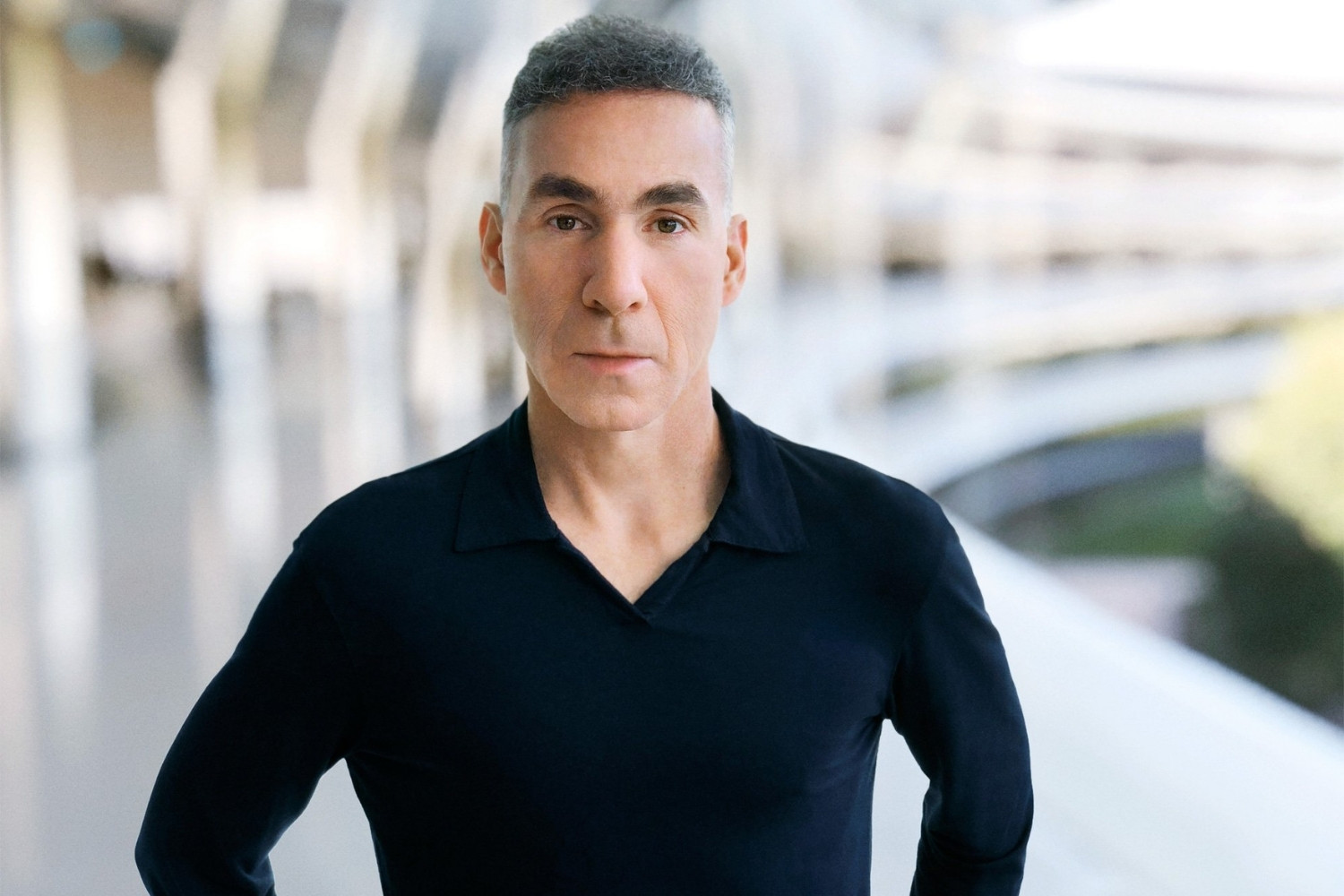
John Ternus is the next CEO of Apple. On September 1, 2026, he will inherit the most valuable empire in consumer technology, a company that has ballooned from a $350 billion underdog to a $4 trillion behemoth under Tim Cook. While the world remembers Cook as the operational wizard who optimized the supply chain to a razor’s edge, Ternus represents a return to the product-centric soul of the company. He is a mechanical engineer who has spent 25 years inside the building, rising through the ranks by mastering the tactile reality of aluminum, glass, and silicon.
The choice of Ternus marks the end of the "Operations Era." For fifteen years, Apple was led by a man who looked at spreadsheets and logistics. Now, it will be led by a man who looks at blueprints and thermal envelopes. Ternus was not chosen because he is a charismatic visionary in the mold of Steve Jobs, but because he is the most capable custodian of the hardware-software integration that makes Apple’s high margins possible.
The Quiet Architect of the M Series
Ternus did not just manage teams; he oversaw the most significant technical pivot in the company's modern history. The transition to Apple Silicon—moving the Mac away from Intel processors to in-house chips—was a high-stakes gamble that could have crippled the professional creative market. Ternus was the executive bridge between the hardware engineering teams and the silicon designers.
This transition was not merely a spec bump. It was a fundamental architectural shift that allowed Apple to dictate its own product roadmap for the first time in decades. Under Ternus, the Mac went from being a neglected legacy product to the gold standard for performance-per-watt. He proved he could handle a generational transition without the "thermal throttling" scandals that defined the late-Intel era. This success gave the Board of Directors the confidence that he could manage the next great shift: the move into spatial computing and on-device artificial intelligence.
Why Jeff Williams Lost the Throne
For years, Chief Operating Officer Jeff Williams was the "CEO-in-waiting." He was often referred to as "Tim Cook's Tim Cook," a steady hand who managed the Apple Watch into a powerhouse health platform. But by late 2024, the internal momentum shifted. Williams, now in his 60s, represented more of the same—a focus on operational efficiency and incrementalism.
Apple’s Board realized they needed a leader who could span the next ten to fifteen years, not five. At 51, Ternus is the "Goldilocks" candidate. He is young enough to provide a long runway of stability, yet seasoned enough to have survived the internal politics of the "Marzipan" years and the departure of design legend Jony Ive.
Internal reports suggest that Ternus’s portfolio was intentionally expanded starting in 2025. He began overseeing not just hardware, but broader product roadmap decisions and software design priorities. This "General Manager" training was the final test. While Williams handled the logistics of the present, Ternus was already sketching the hardware of 2030.
The Rally Car Philosophy of Management
Colleagues describe Ternus as a leader who leads with clarity rather than theatricality. He is known for a calm, pragmatic demeanor, but his hobbies reveal a different side. Ternus is an amateur rally car racer. He has been known to take colleagues on off-road racing weekends in upstate Washington.
Rally racing requires a specific type of discipline: the ability to read a constantly shifting landscape at high speed and make precise adjustments without losing momentum. This is a metaphor for his rise at Apple. He didn't climb through loud self-promotion. He climbed by being the most reliable person in the room during a crisis. When the iPhone design hit a wall or when the iPad needed a "Pro" identity, Ternus was the one who delivered the engineering path forward.
The Shadow of the Vision Pro
The greatest challenge Ternus faces is not the iPhone 18 or the next MacBook. It is the survival of the Vision Pro and the birth of "Spatial Computing." Tim Cook launched the headset as his legacy project, but Ternus is the one who has to make it small, light, and affordable enough for the masses.
The current hardware is a marvel of engineering, but it is also a compromise—heavy, expensive, and tethered to a battery pack. Ternus’s background in mechanical engineering is exactly what this product line requires. He understands the physics of heat dissipation and weight distribution better than anyone in the C-suite. If the Vision Pro fails to become a mainstream success, it will be viewed as a hardware failure, and that failure will land squarely on his desk.
The Regulation Trap
Beyond the hardware, Ternus inherits a company under siege from global regulators. The European Union’s Digital Markets Act and the US Department of Justice’s antitrust suits are threatening the "Walled Garden" business model. Cook was a master of political maneuvering and lobbying. Ternus, by contrast, is a product guy.
There is a real risk that a hardware-focused CEO may struggle with the increasingly legalistic and political nature of the tech industry. He will need to rely heavily on his new CFO, Kevan Parekh, and the remaining Cook-era loyalists to navigate the courtroom battles while he focuses on the laboratory.
A Different Kind of Visionary
We often mistake "vision" for the ability to stand on a stage and describe a magical future. But at Apple, vision is often found in the ability to say "no" to a thousand good ideas so you can say "yes" to the one great one. Ternus has spent two decades practicing that discipline.
He isn't trying to be Steve Jobs. He isn't even trying to be Tim Cook. He is an engineer who believes that if you build the best possible tool, the business will follow. This is a return to basics for a company that has spent the last decade focused on services and subscriptions. The message to the market is clear: Apple is a hardware company again.
The era of the spreadsheet is over. The era of the blueprint has begun.