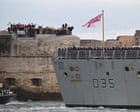
The sight of a Type 45 destroyer cutting through the water with its distinct high-mast silhouette usually sends a clear message. When that ship is HMS Dragon, arguably the most recognizable vessel in the Royal Navy thanks to the red Welsh dragons painted on its bows, the message is even louder. This isn't just another scheduled departure. As the ship leaves Portsmouth for the Eastern Mediterranean, it’s stepping into one of the most volatile maritime environments on the planet.
You might see official briefings calling this a "deployment to support regional stability." That’s navy-speak for being the most capable bodyguard in the neighborhood. The Eastern Mediterranean is currently a tinderbox of competing interests, energy disputes, and spillover from Middle Eastern conflicts. Sending a dedicated air-defense destroyer like Dragon suggests the UK wants a seat at the table where the big decisions are being made.
What makes HMS Dragon a heavy hitter
Most people don't realize that the Type 45 destroyer was built for one specific, terrifying job: swatting things out of the sky. It’s an aerial shield. While other ships are jacks-of-all-trades, Dragon is a specialist. It’s designed to protect an entire fleet—or a specific stretch of coastline—from synchronized attacks.
The heart of the ship is the Sea Viper missile system. It can track over 2,000 targets simultaneously using the Sampson radar—that spinning spiked ball on top of the mast. It's rumored the system can track a cricket ball traveling at three times the speed of sound from miles away. In the Eastern Med, where drone tech and anti-ship missiles are becoming cheaper and more common, having this level of "eyes-on" capability is a massive deterrent.
The ship also carries a Wildcat helicopter. This isn't just for transport. It’s a scout. It extends the ship's reach, looking over the horizon to spot threats before they even know the destroyer is there. When you combine that with the 4.5-inch Mark 8 naval gun and the Phalanx CIWS (the "R2-D2" looking guns that spit thousands of rounds per minute), you have a platform that's incredibly hard to sink.
The strategic chess board in the Eastern Mediterranean
Why there? Why now? The geography tells the story. The Eastern Med is the gateway to the Suez Canal. It's the backyard of the Syrian conflict. It’s where Russian naval assets from Tartus mingle with NATO patrols. It’s crowded.
Recent tensions in the Middle East have made the sea lanes south of Cyprus particularly sensitive. Merchant shipping needs to know that there's a disciplined naval presence nearby. It keeps insurance rates lower and keeps the global supply chain from snapping. If a crisis flares up, Dragon is positioned to provide "air bubbles" of safety for humanitarian corridors or evacuation efforts if things get truly ugly.
There’s also the NATO element. Britain is trying to prove it remains a top-tier maritime power post-Brexit. By sending a high-end asset like a Type 45, the UK is signaling to allies like Greece, Turkey, and Israel that it’s committed to the region's security. It’s about being seen. Diplomacy is often just about whose flag is flying in the harbor.
Life on the dragon's back
Don't let the sleek lines fool you. Life for the 190+ sailors on board is a grind of watches, drills, and maintenance. A deployment to the Mediterranean sounds sunny, but it usually involves operating in high-heat environments that stress both the crew and the machinery.
The Type 45s have had a rocky history with their propulsion systems in warmer waters. You’ve probably heard the stories about them breaking down in the Gulf. However, the "Power Improvement Plan" (PIP) has been working to fix those kinks. This trip is a massive test for those upgrades. If Dragon can maintain high-tempo operations in the heat of a Med summer or autumn without a hitch, it silences the critics who claimed these ships were "white elephants."
The crew is trained for high-end warfare, but their daily reality is often maritime security. This means boarding suspicious vessels, monitoring radar shadows, and playing a constant game of cat-and-mouse with "shadow" actors in the region. It’s tedious work that requires 100% focus because things go from zero to a hundred very quickly at sea.
Why the red dragons on the bow actually matter
Some traditionalists in the Ministry of Defence weren't fans of the dragon art when it first appeared. They thought it was too flashy. They were wrong. In an era of "gray zone" warfare and information operations, branding matters.
The red dragons make the ship instantly identifiable. When an adversary sees those bows on their radar or through a periscope, they know exactly which ship they're dealing with. They know it’s the one with the world-class radar and the highly trained crew. It’s psychological warfare. It says "we are here, and we aren't hiding."
Tracking the next move
If you're following this deployment, keep an eye on the ports of call. Where HMS Dragon stops tells you who the UK is currently courting. Visits to Limassol, Souda Bay, or Haifa aren't accidents. They are carefully choreographed diplomatic statements.
To get a real sense of the impact, look for the joint exercises. Dragon will likely participate in drills with the US 6th Fleet or French naval groups. These exercises aren't just for practice; they’re meant to show a unified front. When multiple nations sync their radar and communication links, they create a wall of sensors that is nearly impossible to penetrate.
Watch the official Royal Navy social media channels or maritime tracking sites like MarineTraffic, though Dragon will often "go dark" on AIS when entering sensitive zones. The real story isn't just that the ship sailed; it's about what happens when it arrives in those contested waters. If you want to understand modern British foreign policy, stop looking at the speeches in London and start looking at where they send the destroyers.
Stay updated on the UK’s Carrier Strike Group movements as well. Often, a Type 45 departure is a precursor to a larger task group forming up. If a Queen Elizabeth-class carrier starts prepping, Dragon will likely be the one clearing the skies for it.