The Dniester River is not just a body of water. For Moldova, it is a jugular vein. It provides 80% of the nation’s drinking water and a staggering 98% of the supply for the capital, Chișinău. On March 17, 2026, that vein was effectively severed. Following a deliberate Russian strike on the Novodnistrovsk hydroelectric plant in Ukraine’s Chernivtsi region, a massive plume of transformer oil and rocket fuel has surged downstream, crossing the border and forcing the complete shutdown of water supplies in Bălți and three other major northern towns.
This is no longer a localized military incident. It is the emergence of a transboundary humanitarian crisis. Tens of thousands of Moldovans woke up today to dry taps and closed schools, as the government in Chișinău declared a 15-day environmental state of emergency. While the initial strike occurred on March 7, the slow-moving toxicity of the spill only became a full-scale catastrophe as the slick reached critical intake points this week.
The Mechanics of Environmental Sabotage
The strike on the Novodnistrovsk facility was calculated. By targeting the hydroelectric infrastructure near the border, Russian forces utilized the river’s natural current to export the consequences of the war. Modern hydroelectric plants rely on massive quantities of technical oils for lubrication and cooling. When a missile ruptures these reservoirs, the spill doesn't just sit there. It emulsifies.
In the village of Naslavcea, where the Dniester enters Moldova, laboratory tests recorded concentrations of petroleum products 2.5 times above the legal safety limit. These aren't just surface slicks that can be skimmed off with a few booms. The pollutants include aromatic hydrocarbons—stable, toxic compounds that are notoriously difficult to filter out using standard municipal water treatment systems.
The city of Bălți, Moldova’s second-largest urban center, is now the primary casualty of this downstream aggression. Local utility providers at Apa-Canal Bălți have admitted to a terrifying vulnerability. Of their 67 deep-water wells intended as backups for the Dniester supply, only two are currently operational. The rest have fallen into disrepair over decades of underinvestment. The city isn't just facing a temporary outage; it is facing the reality that its "Plan B" doesn't exist.
A Toxic Wave Moving South
The crisis is currently unfolding in stages.
- Stage 1: The Border Breach. Contamination was first visually confirmed on March 10 near the Ukrainian village of Lyadova.
- Stage 2: Northern Paralysis. By March 14, water intake was halted in Naslavcea, Soroca, and Bălți.
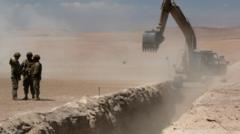
- Stage 3: The Threat to the Capital. The slick is now moving toward the Dubăsari Reservoir. If the pollutants bypass the containment barriers currently being erected by the Moldovan National Army and Romanian specialists, the capital, Chișinău, could be next.
Environment Minister Gheorghe Hajder has been blunt. The volume of oil in the river is likely ten times higher than the 1.5 tons initially reported by Ukrainian authorities. In war, data is often the first casualty, but the chemistry of the river doesn't lie. Residents in the northern districts have reported a sharp, chemical odor emanating from the banks, and a visible "rainbow" film stretching across the water’s surface.
The EU Response and the Equipment Gap
Moldova has activated the EU Civil Protection Mechanism, a move that reflects the desperation of the situation. Romania has already dispatched specialized water management modules and chemical spill experts, but the scale of the Dniester makes containment a Herculean task.
Traditional methods like straw barriers and absorbent booms work well in stagnant ponds, but they struggle against the current of a major river. To truly protect the water supply, Moldova needs high-capacity mobile filtration units capable of removing dissolved hydrocarbons at the intake level. These units are expensive, rare, and currently in high demand within Ukraine itself.
In a move of pointed diplomacy, Moldovan officials summoned the Russian ambassador and presented him with a bottle of the contaminated river water. It was a theatrical gesture, but it underscores a hard truth. Russia is effectively weaponizing the environment to destabilize a nation that has increasingly leaned toward the West. President Maia Sandu, currently pushing for EU accession by 2030, now has to manage a population that cannot even wash its hands.
Long Term Ecological Fallout
Even if the water is restored to Bălți by tomorrow, the damage to the Dniester ecosystem will take years to rectify.
A temporary fishing ban is in place until at least April 1, but the real concern lies in the riverbed. Petroleum products are heavy. They settle into the sediment, where they can be released back into the water column during heavy rains or spring thaws for years to come. This creates a "legacy" pollution issue that threatens the agricultural heartland of Moldova, which relies on the river for irrigation.
The Dniester Commission—a joint body between Moldova and Ukraine—is now attempting to coordinate a response while one member is actively being bombed. This isn't just an "oil spill." It is a test case for how a small, non-belligerent nation survives the collateral environmental damage of a high-intensity modern war.
The immediate priority is the restoration of the Bălți wells and the reinforcement of the Dubăsari barriers. If those fail, the humanitarian cost for the nearly one million residents of Chișinău will dwarf the current crisis in the north.
Would you like me to track the real-time movement of the spill toward the Dubăsari Reservoir and provide an update on the filtration status?