The standard war reporting loop has become a predictable, shallow script. A Russian unit reaches the tree line of a suburban outskirts. Maps on social media turn a slightly darker shade of red. Mainstream outlets immediately pivot to the "Fortress City" narrative, painting Kostiantynivka as an immovable object or a final stand. This isn't just lazy journalism; it is a fundamental misunderstanding of modern attritional warfare.
Calling Kostiantynivka a "stronghold" implies a medieval logic that doesn't exist in 2026. In a world of thermal-equipped FPV drones and glide bombs, a city isn't a shield. It's a magnet for high explosives. If you’re looking at the outskirts of Kostiantynivka and seeing a defensive victory in the making, you’re reading the map upside down.
The Fortress Fallacy
Military analysts love the word "stronghold" because it sounds secure. It suggests thick walls and defensible positions. In reality, a city like Kostiantynivka is a logistical node and a civilian center that, once contested, becomes a tactical liability.
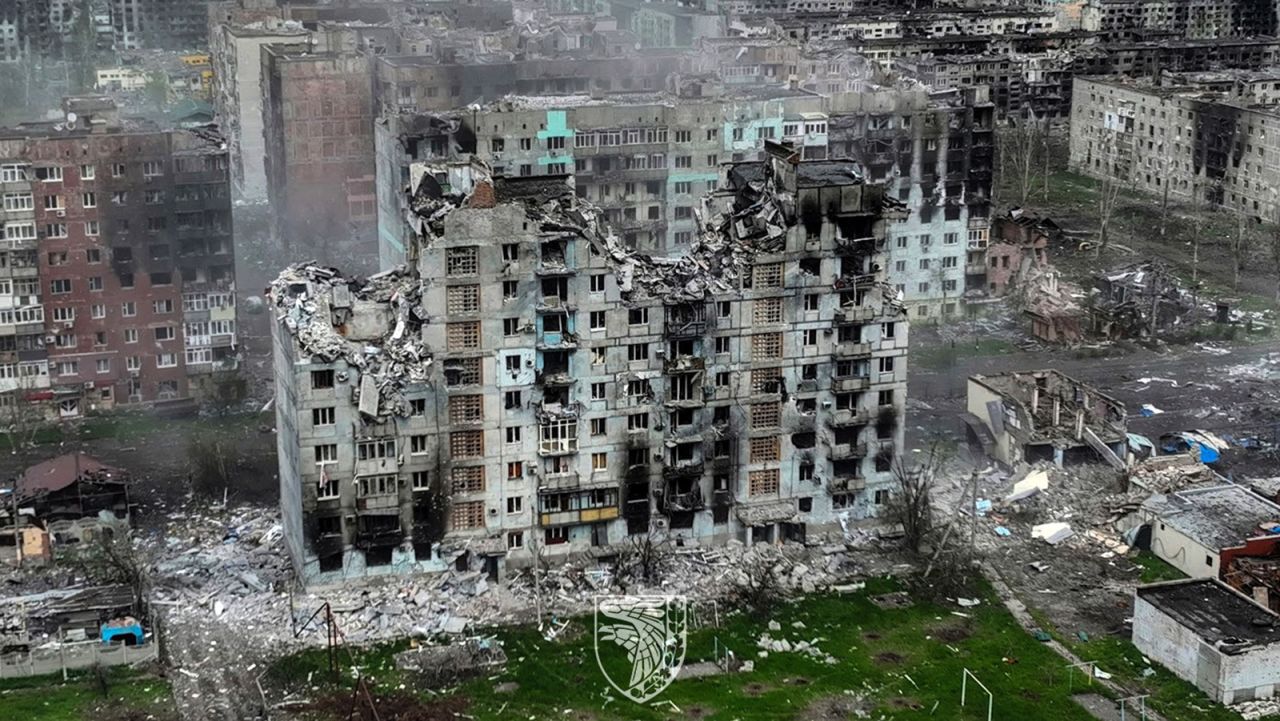
When fighting reaches the outskirts, the "stronghold" status is already gone. The value of Kostiantynivka isn't in its buildings or its geography. Its value is—or was—its rail connections and its role as a rear staging area for the broader Donbas front. Once the first mortar rounds land in the residential districts, the city stops being a base and starts being a drain on resources.
History shows us that defending urban ruins costs significantly more in elite manpower than the geographic footprint is worth. We saw it in Bakhmut. We saw it in Avdiivka. The "lazy consensus" says these cities must be held at all costs to "bleed" the enemy. The brutal reality is that the defender often bleeds just as fast, losing the very units required for future maneuver warfare.
Stop Tracking Village Names and Start Tracking Math
If you are following the war by memorizing the names of every suburb and gas station on the road to Kostiantynivka, you are missing the forest for the trees. Territory is the most deceptive metric in modern conflict.
The only metrics that actually matter are:
- The Attrition Ratio: Are the Russians losing three armored vehicles for every Ukrainian position taken, or is the gap closing?
- The Shell-to-Drone Conversion: How effectively can FPV drones compensate for a lack of 155mm artillery?
- Personnel Rotations: Can the defending brigades actually pull men off the line, or are they being ground into the dirt?
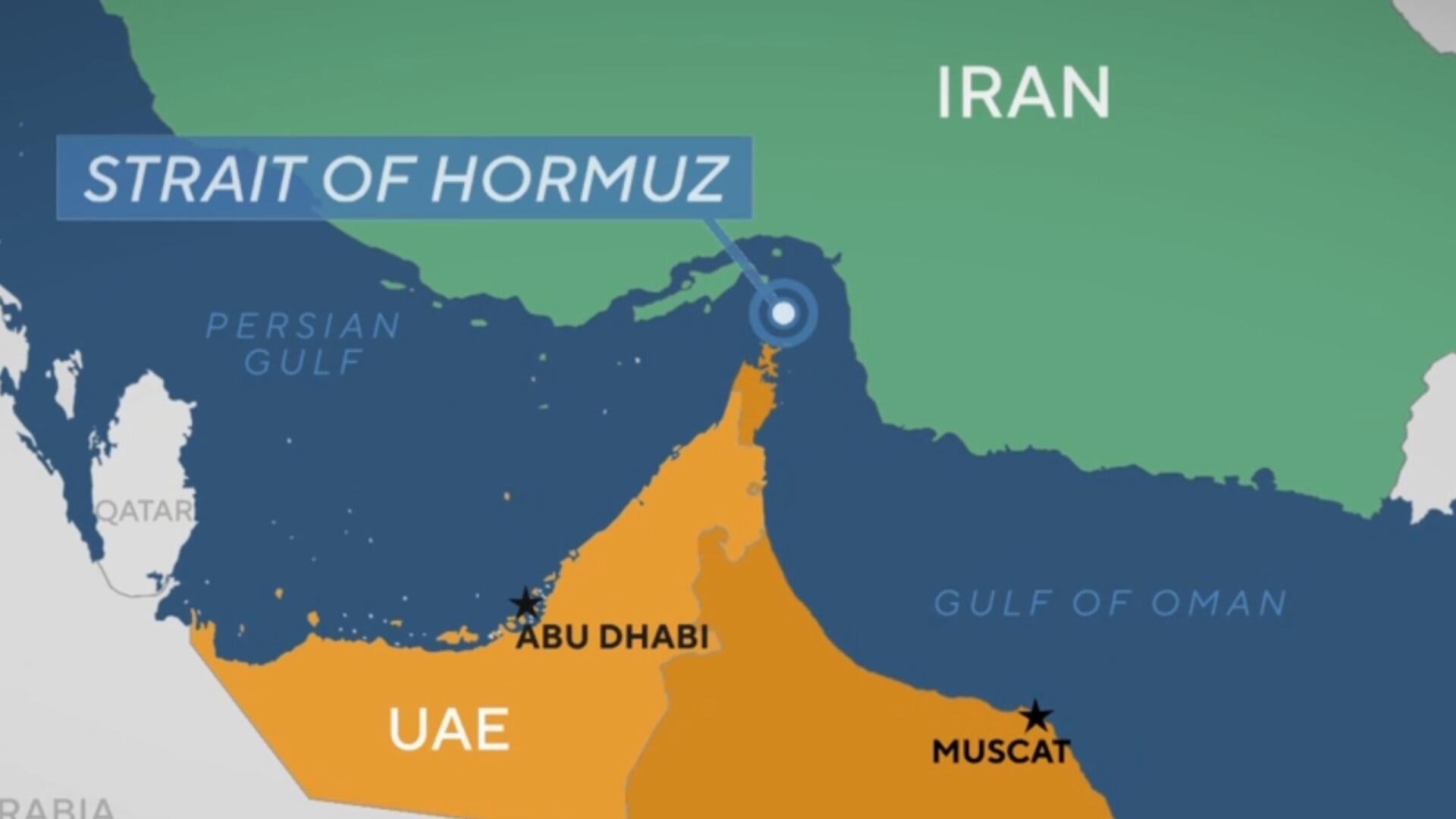
Focusing on the "outskirts" of a city is a distraction. The Russians don't need to take the city hall to win a tactical victory. They only need to bring the main supply routes (MSRs) under "fire control"—a term civilians use to mean "anything that moves on this road gets hit." Once the T0504 highway is unusable, Kostiantynivka is effectively neutralized, regardless of who sits in the basement of the local school.
The Logic of Strategic Retreat
Everyone hates the word "retreat." It feels like defeat. In reality, a strategic withdrawal is often the most sophisticated move a commander can make.
Imagine a scenario where a defending force stays in Kostiantynivka until they are 80% encircled. They have "held the stronghold," but they have lost three seasoned battalions that took two years to train. That is a catastrophic failure masked as a heroic stand.
The contrarian truth? The most successful defense of Kostiantynivka might involve abandoning it. By moving back to higher ground or more prepared lines further west, the defending force forces the attacker to move out of their established cover and into the open. It forces them to extend their supply lines through a ruined, booby-trapped urban center.
The obsession with holding every inch of "fortress" soil is a political requirement, not a military one. It’s a PR move designed for Western audiences who need to see a static line on a map to feel like their tax dollars are working.
The Drone Dead Zone
The fight for Kostiantynivka is being shaped by a factor the "stronghold" articles completely ignore: the total saturation of the airspace.
We have entered an era where "outskirts" don't exist in a traditional sense. The front is a 10-kilometer deep zone of "no-man's-land" where nothing larger than a stray cat can move without being spotted by a Mavic drone. This changes the nature of urban defense.
In previous wars, you hid in a building. Today, a building is just a target for a KAB-500 glide bomb. The defense of Kostiantynivka won't happen in the streets; it will happen in the electronic warfare (EW) spectrum. If the Ukrainian forces can’t jam the Russian Orlan drones, no amount of concrete or "stronghold" spirit will save the city.
Most reporters are still writing about the 1940s. They talk about "house-to-house" fighting. That’s a fantasy. Modern urban combat is about which side has a better battery supply for their drone pilots and whose EW "bubble" is more effective.
The Real Stake: The Kramatorsk Gateway
Kostiantynivka isn't the prize. It’s the door.
The reason the "stronghold" narrative is so prevalent is that people are terrified of what happens if it falls. Beyond Kostiantynivka lies the Kramatorsk-Slovyansk agglomeration—the industrial heart of the region.
But here is the counter-intuitive point: the fall of Kostiantynivka doesn't mean the collapse of the Donbas. It means the start of a much more difficult phase for the attacker. Taking a city is hard. Holding a city while your supply lines are being picked apart by long-range missiles and stay-behind partisan cells is a nightmare.
The Russians are currently "winning" territory at a cost that would bankrupt most modern militaries. They are trading thousands of lives and decades of Soviet vehicle stockpiles for a few kilometers of rubble. Calling Kostiantynivka a "stronghold" validates this trade. It gives the impression that the Russians are capturing something of immense value. They aren't. They are capturing a liability.
The Logistics of Despair
I have watched how these battles play out when the cameras aren't looking. It isn't about flags on buildings. It’s about water, fuel, and blood.
A city under siege becomes a black hole for logistics. You need more food because the troops are more stressed. You need more ammo because urban combat is high-volume. You need more medevac because the injuries are more complex.
If the Ukrainian high command is smart—and they generally are—they aren't looking at Kostiantynivka as a fortress. They are looking at it as an opportunity to fix the enemy in place and degrade their offensive capability before the autumn rains turn the fields into a swamp.
The "stronghold" is a trap for the attacker just as much as it is for the defender.
Why the Media Gets it Wrong
The media needs a protagonist and a climax. They need "The Battle for Kostiantynivka."
But war isn't a movie. It’s a messy, grinding process of cumulative attrition. The outskirts of the city are currently being pulverized not because they are strategically vital, but because they are where the two forces happen to be touching.
The real story isn't that the fighting has reached the outskirts. The real story is that the "stronghold" concept is dead. We are watching the slow-motion demolition of a geographical myth.
Every time you read an article using the word "stronghold" to describe a frontline Ukrainian town, replace it with "attrition zone."
The map doesn't care about your fortress. The math only cares about who runs out of men first.