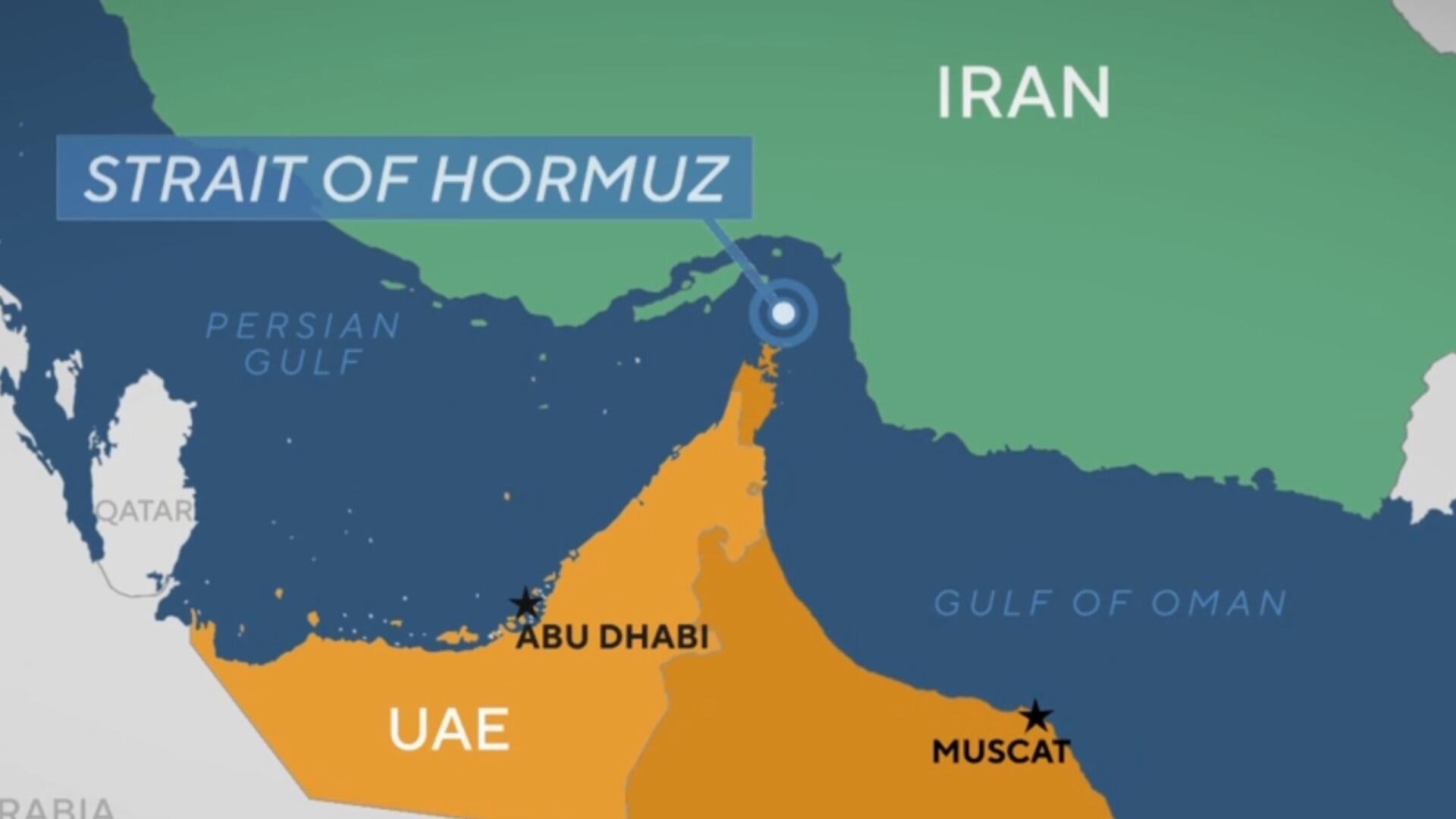
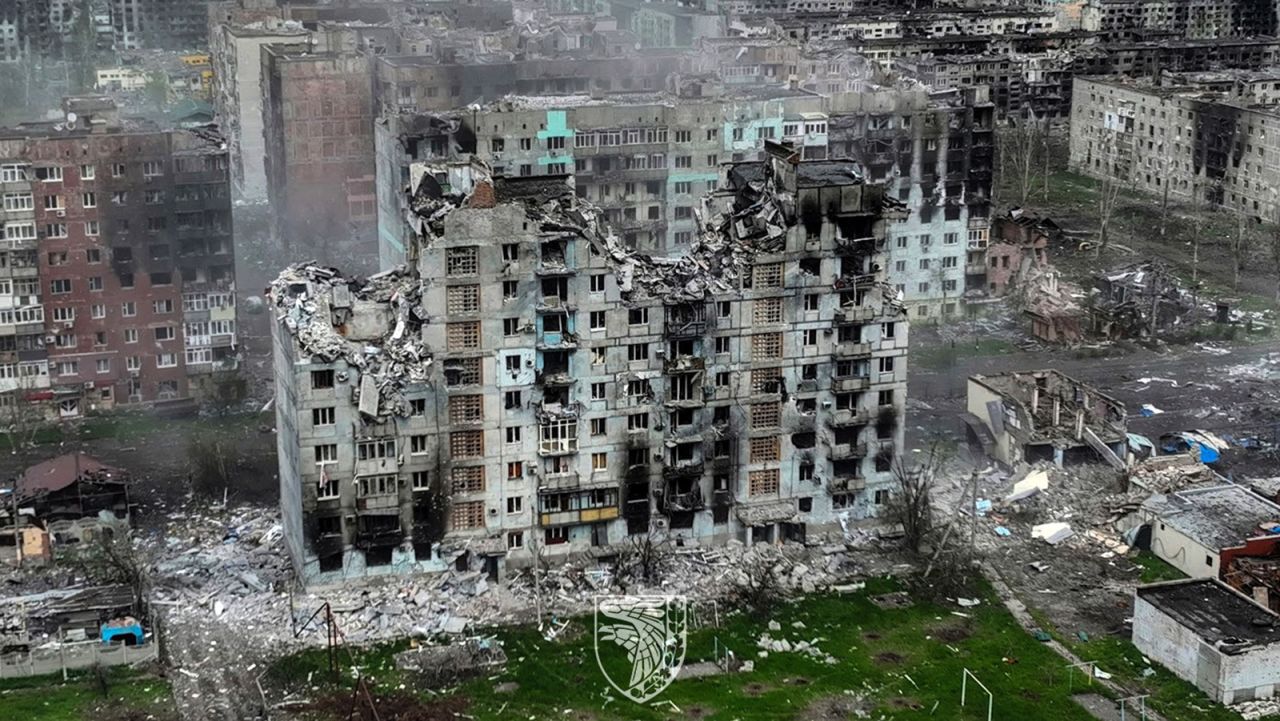
The Middle East is on a knife-edge. You’ve likely heard the headlines about Iran offering a "strait deal" to end the current maritime standoff, only for Donald Trump to shut it down. He’s not satisfied. Not even close. If you’re wondering why a potential peace deal was swiped left by the White House, it’s not just about ego. It’s about a deeply fractured Iranian leadership and a U.S. administration that smells blood in the water.
Iran is hurting. Between the naval blockade and the internal chaos following recent strikes, Tehran is desperate to get the oil flowing again through the Strait of Hormuz. But Trump’s rejection of their latest proposal shows he’s betting on a total collapse rather than a halfway compromise.
The proposal Trump found lacking
The "strait deal" wasn't a comprehensive peace treaty. It was a targeted offer to reopen the Strait of Hormuz—the world’s most critical oil chokepoint—in exchange for lifting specific maritime sanctions. Iran essentially said, "Stop the blockade, and we’ll stop targeting tankers."
On the surface, it sounds like a win for global energy markets. Oil prices have been jumping like a heart rate monitor in a sprint. But Trump’s reaction was blunt. He’s calling the Iranian leadership "disjointed." According to the White House, Tehran is currently split into three or four different factions that can't agree on their own name, let alone a nuclear future. Trump’s logic is simple: why sign a deal with a government that might not exist in its current form by next Tuesday?
Why the Strait of Hormuz is the ultimate bargaining chip
You can't overstate how much this tiny stretch of water matters. Roughly 20% of the world’s oil passes through here. When Iran threatens to "seal it up," the world pays attention because they have to.
- Economic leverage: By disrupting the strait, Iran forces the U.S. to choose between a full-scale war or a messy compromise.
- Global pressure: China, India, and Japan rely on this oil way more than the U.S. does. Tehran knows this. They’re hoping these countries will pressure Trump to back off.
- Military Brinkmanship: Iran’s IRGC has been using small boats and mines to make passage a nightmare. It’s a "poor man’s blockade" that actually works.
Trump has counter-punched by offering "risk insurance" and U.S. Navy escorts. He’s basically telling the world that the U.S. will provide the security that Iran is trying to take away. He's also being very honest about the fact that the U.S. doesn't actually need that oil—we’ve got plenty at home. This shifts the leverage back to Washington.
The internal collapse of Tehran
The real reason Trump isn't signing anything right now is the perceived weakness of the Iranian regime. Following the death of Supreme Leader Ayatollah Ali Khamenei on February 28, the power vacuum has been massive. His son, Mojtaba Khamenei, is trying to hold the reins, but the "disjointed" label Trump used is accurate.
You have the hardliners in the IRGC who want to keep the strait closed and fight to the end. Then you have the diplomats like Abbas Araghchi who are flying to Russia to beg for help while trying to talk to the U.S. through Pakistan. When a country sends mixed signals, you don't get a good deal. You get a stall tactic. Trump thinks they’re just trying to buy time to figure out who’s actually in charge.
What happens if no deal is reached
If the U.S. continues to hold firm and Iran keeps the strait under pressure, we’re looking at a prolonged naval war. Trump has already tripled the number of mine-sweepers in the area. He’s also threatened to "knock out" every power plant and bridge in Iran if they don't take a "fair" deal.
That "fair" deal, in Trump’s eyes, isn't just about the strait. He wants:
- Total removal of enriched uranium.
- A permanent end to enrichment capabilities.
- No more "piracy" in international waters.
Iran wants the blockade gone first. It’s a classic standoff where neither side wants to blink.
What you should watch for next
Don't expect a handshake photo-op anytime soon. The U.S. is going to keep the naval blockade in place until they get "100 percent" of what they want. If you're invested in energy markets or just worried about the price at the pump, keep an eye on the U.S. Strategic Petroleum Reserve releases. Trump has already authorized 172 million barrels to keep prices from spiraling.
The next move belongs to Tehran. They either have to unify their leadership and bring a "real" proposal to the table or watch their economy continue to crumble under the weight of the "sealed" strait. Honestly, until Iran can prove who is actually running the show, the U.S. is likely to stay the course. Watch the diplomatic channels in Pakistan—that's where the real talking is happening, even if Trump says he’s "not satisfied."
How Iran blocking the Strait of Hormuz affects the U.S.
This video provides essential context on the economic stakes and President Trump's specific reasons for rejecting the latest Iranian proposals.