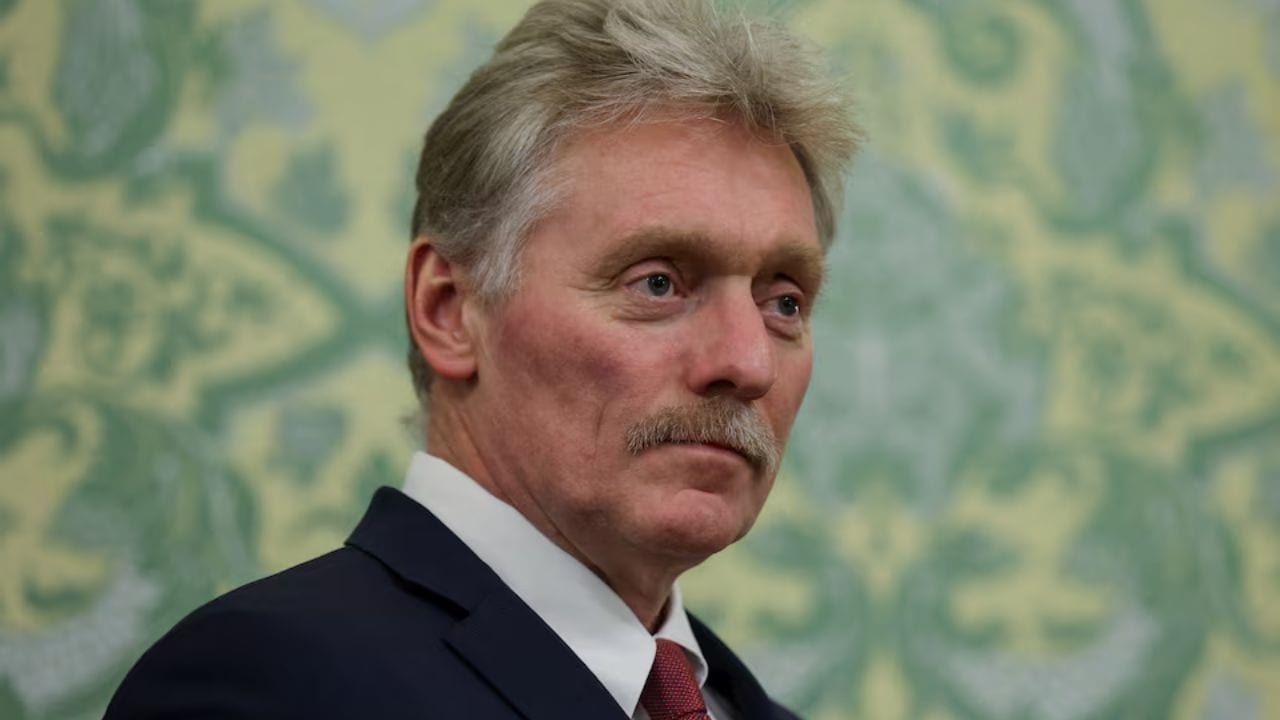
The Kremlin’s public admission on Wednesday that it remains in contact with Washington regarding a Ukraine settlement is more than a routine diplomatic update. It is a calculated signal sent amidst a fragmenting global order. While Dmitry Peskov, the Kremlin’s veteran press secretary, spoke in measured tones about "available channels" and "mediation services," the reality on the ground in early 2026 suggests a far more volatile and high-stakes game of geopolitical poker.
Russia is essentially telling the world that it still views the United States as the only interlocutor that matters, even as European capitals increasingly try to bypass Washington to stiffen Kyiv’s resolve. By acknowledging these contacts, Moscow is attempting to freeze the European Union out of the endgame, betting that a direct deal with the Trump administration can deliver the territorial concessions that three years of grinding warfare could not fully secure.
The Florida Connection and the Private Envoys
While official briefings take place in Moscow, the real movement is happening in the humidity of the American South. Recent reports confirm that Ukrainian and U.S. negotiators have been meeting in Florida to revive talks that stalled following the dramatic escalation of conflict in the Middle East. These aren't just career diplomats. The presence of figures like Steve Witkoff and Jared Kushner indicates that the current U.S. administration is treating the Ukraine settlement as a private-sector-style "deal" rather than a traditional multilateral treaty.
Russia’s strategy is to exploit this shift. By keeping the "channels" open, the Kremlin is feeding the White House’s desire for a quick win before the June 2026 deadline that President Zelenskyy has publicly mentioned. However, the "constructive" nature of these talks—as described by the White House—masks a brutal deadlock.
Moscow remains immovable on its demand for the entire Donbas, including territories its boots have never touched. Meanwhile, Kyiv is navigating a domestic minefield, with over half of the Ukrainian population categorically rejecting the idea of trading land for security guarantees.
The Shadow of the Middle East
The diplomatic landscape changed fundamentally in February 2026. The joint U.S.-Israeli strikes on Iran didn't just ignite a regional fire; they sucked the oxygen out of the room for the Ukraine peace process.
Russia has leveraged this chaos with surgical precision. By expanding intelligence sharing with Tehran and providing satellite imagery to help target U.S. and Israeli assets, Moscow has created a secondary lever. They are effectively telling Washington: "If you want us to stop stoking the fire in the Middle East, you need to give us what we want in the Donbas."
This linkage is the overlooked factor in Peskov’s latest statements. When the Kremlin says it "welcomes" U.S. efforts, it is welcoming the fact that Washington is now distracted and desperate for stability. The more the U.S. is bogged down in the Persian Gulf, the more leverage Moscow feels it has in the Dnieper River valley.
The European Schism
Perhaps the most significant development in 2026 is the growing "revolt" of the European powers. For the first time since the 2022 invasion, Europe has effectively replaced the U.S. as Ukraine's primary financial and military donor.
The EU’s €90 billion loan and the creation of the SAFE defense fund show a continent preparing for a future where Washington might simply walk away from the table. European leaders are no longer just followers; they are actively resisting what they call a "peace at any price" push from the Trump administration.
This creates a bizarre triangular tension:
- The U.S. and Russia are talking privately, looking for a bilateral "grand bargain."
- Ukraine is participating in these talks while simultaneously building a "technological alliance" with Europe to ensure it can fight on if the bargain is struck without them.
- Europe is funding the resistance to prevent a settlement that they believe would turn Ukraine into a permanent Russian satellite.
The Nuclear Brinkmanship of 2026
Underpinning all of this is the expiration of the New START Treaty in February 2026. For the first time in decades, the world’s two largest nuclear arsenals are operating without a formal, verifiable limit.
The U.S. Intelligence Community's 2026 Annual Threat Assessment has shifted its language from "unintended escalation" to "deliberate escalation." Moscow knows that the lack of a nuclear framework makes Washington nervous. They use this nervousness as a backdrop for every "contact" regarding Ukraine. Each meeting in Abu Dhabi or Geneva isn't just about borders in the East; it’s about the silent threat of a world without nuclear guardrails.
The Starlink Database and the Robot War
On the tactical level, the "settlement" talks are being influenced by a new kind of leverage: technological denial. The recent moves by the Ukrainian Ministry of Defense to force the registration of all Starlink terminals into a central database is a direct response to Russian efforts to use the satellite service for drone guidance.
If Russia cannot maintain its technological edge on the battlefield, its "maximalist objectives" become harder to sustain. This explains why Peskov is so eager to keep the diplomatic channels open. If the military momentum stalls—or if Ukraine’s new "robotized" units continue to hold the line—Moscow needs a diplomatic exit ramp that looks like a victory.
The Illusion of Proximity
President Trump has repeatedly claimed that the sides are "getting close" to a deal. He often remarks that this should be the "easiest" war to settle. But a veteran analyst looks at the numbers and the geography and sees a different story.
Russia is not negotiating from a position of exhaustion; it is negotiating from a position of perceived inevitability. They believe they can outlast the Western election cycles and the shifting priorities of a U.S. administration focused on Iran.
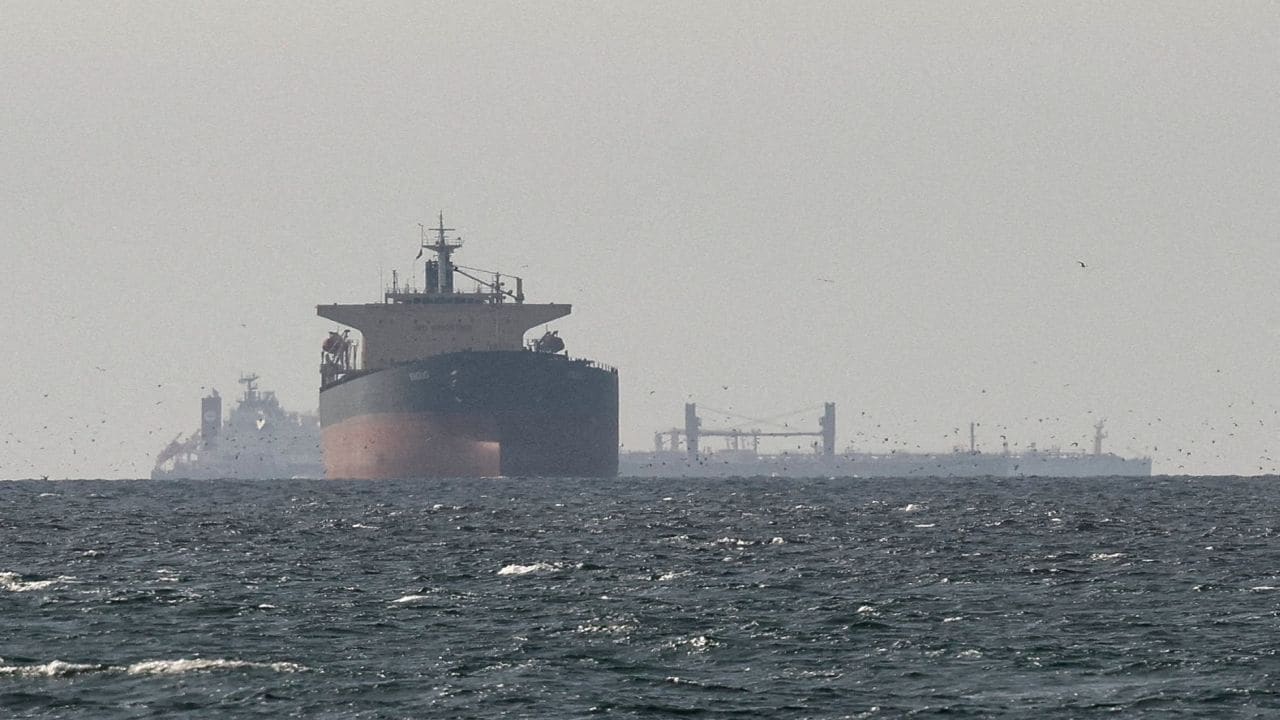
The Kremlin's "openness to talks" is a stalling tactic designed to let the "shadow fleet" continue funding the war effort while the West argues over who should pay for the eventual reconstruction. There is no evidence that Moscow has moved an inch on the core issue of sovereignty.
The current "contacts" are less about a settlement and more about managing the friction of a slow-motion collision. Until one side experiences a catastrophic collapse of either their front line or their domestic political will, these meetings will remain what they are: a sophisticated form of theater played out in luxury hotels, while the real cost is paid in the trenches of the Zaporizhzhia front.
Would you like me to analyze the specific economic data of the Russian "shadow fleet" and its impact on their 2026 military budget?