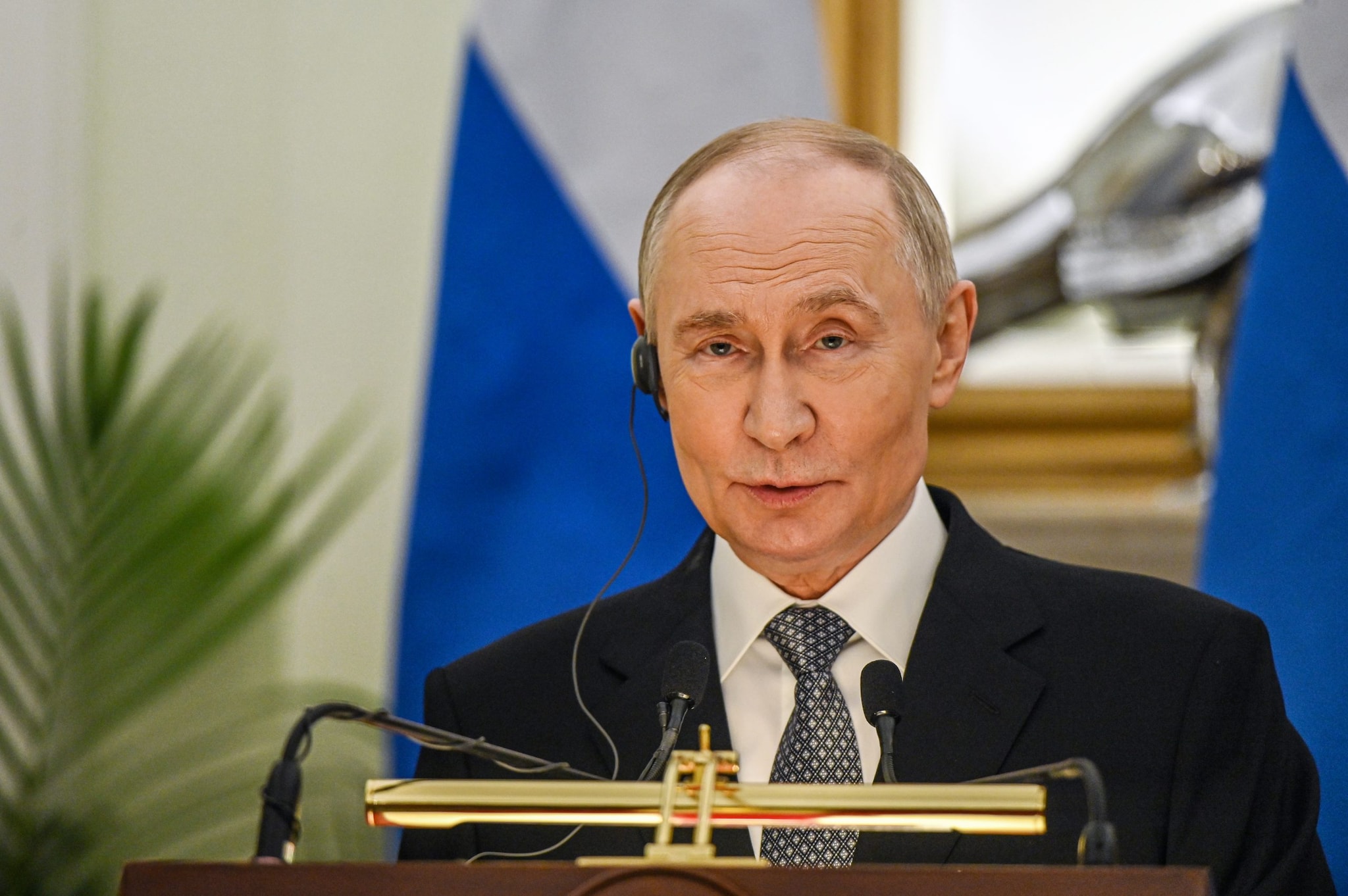
Vladimir Putin is "thinking out loud" again, and that usually means someone is about to get a very expensive bill. On Wednesday, the Russian President suggested that Moscow might just stop supplying gas to European markets right now instead of waiting for the EU to finish its slow-motion breakup with Gazprom.
It’s a classic power move. You can't fire me because I quit. But this isn't just a bruised ego talking. There’s a massive shift happening in the global energy market, fueled by a messy war in the Middle East and a European storage situation that looks a bit shaky. If you thought the energy crisis was a 2022 problem, you haven't been looking at the numbers lately.
The logic behind the threat
Putin’s logic is pretty straightforward: why keep selling to a customer who’s already told you they’re leaving? The EU has already signaled a permanent ban on Russian gas imports, with short-term contracts set to expire by June 2026 and a total phase-out by 2027. Putin told state TV reporter Pavel Zarubin that it might be "more profitable" to just walk away today.
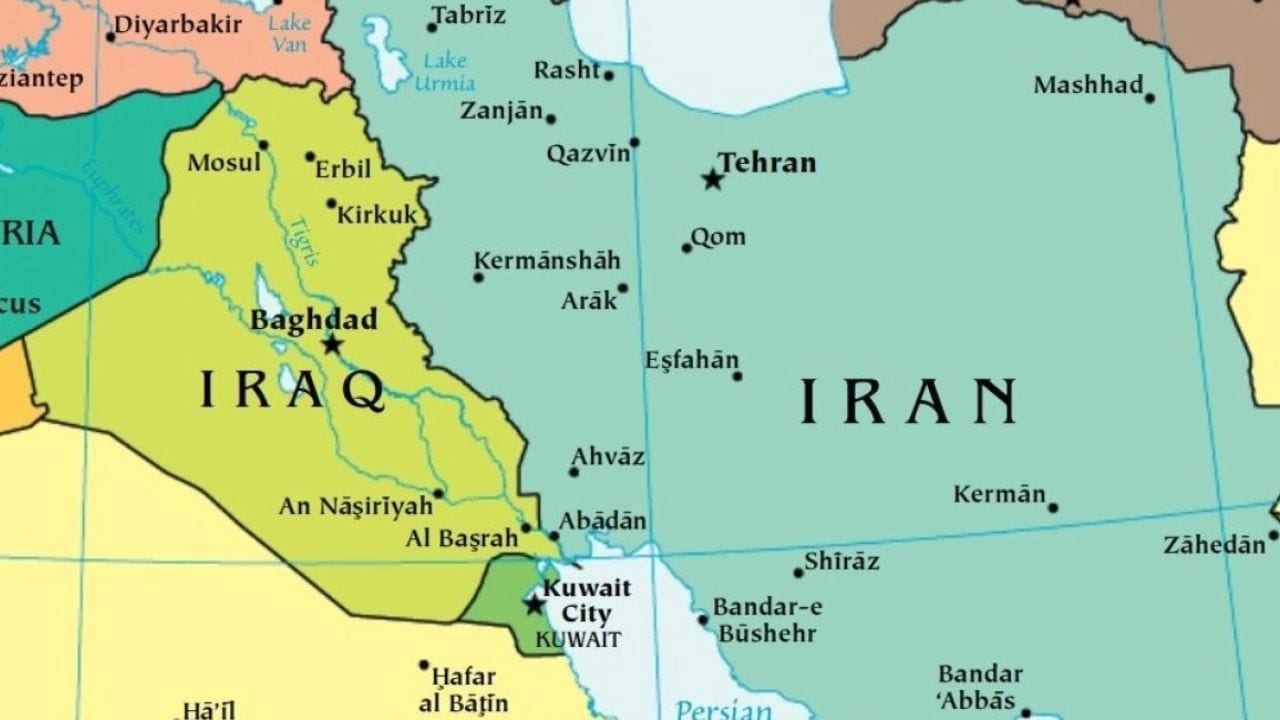
He’s eyeing "more promising" markets elsewhere. With the U.S.-Iran conflict heating up and the Strait of Hormuz effectively closed, global gas prices are spiking. When supply gets tight in the Middle East, Russian gas becomes a lot more attractive to buyers in Asia who don't care about European sanctions.
Honestly, it’s just business. If Putin can get a higher price in the East because of a war in the West, he’s going to take it. He even name-checked Slovakia and Hungary as "reliable partners" who might still get the tap turned on, but for the rest of the bloc, the message was clear: the exit door is right there, and Russia might kick you through it.
Why Europe is sweating right now
You might hear EU officials say there's "no immediate concern," but the market isn't buying it. European gas futures jumped above €53 per megawatt-hour immediately after these comments. That’s a massive rebound.
Here is the reality of the situation:
- Storage is low: European gas storage is currently sitting below 30% capacity. That’s a dangerous level, reminiscent of the nail-biting days of early 2022.
- The LNG gap: Europe replaced a lot of Russian pipeline gas with LNG (Liquefied Natural Gas) from the U.S. and Qatar. But with Qatar's Ras Laffan plant recently offline due to drone strikes and the Persian Gulf in chaos, that "secure" alternative is looking a lot more volatile.
- The TurkStream bottleneck: After Ukraine refused to renew transit deals in 2025, the TurkStream pipeline became the last major artery for Russian gas into Europe. If Putin shuts that down "immediately," southeastern Europe loses its primary energy source overnight.
The 2026 energy trap
We’re in a weird transition period. The EU’s 20th sanctions package is looming, and it’s designed to finally kill off the Russian oil and gas trade. But by threatening to move first, Putin is trying to spark a price panic that hurts European industry before the transition to renewables is far enough along to matter.
It’s a leverage game. Russia knows that to attract LNG tankers away from Asia, Europe has to pay a "premium." If Russia cuts the remaining 6-10% of pipeline gas it still provides, that premium goes through the roof. We’re talking about the potential for household energy bills to spike just as governments thought they had inflation under control.
Don't ignore the Middle East factor
You can’t separate Putin’s threats from what’s happening in Iran. The closure of the Strait of Hormuz is the "black swan" event that gives Russia back its mojo. About 20% of the world's LNG passes through that narrow strip of water. With that blocked, the global market is desperate.
Putin isn't just being difficult; he's being opportunistic. He knows that if he redirects gas to Asia now, he gains a foothold in markets that will be relevant for the next thirty years, while Europe is trying to become a museum of green energy.
What happens if the tap actually shuts
If the "thinking out loud" turns into an official instruction to Gazprom, expect a few things to happen fast. First, Germany and Italy will have to bid aggressively against Japan and South Korea for every available LNG cargo on the water. Second, you’ll see immediate calls for "energy solidarity" within the EU, which usually results in a lot of arguing and very little actual sharing.
The irony is that the EU was planning to leave anyway. But doing it on your own terms is very different from having the rug pulled out from under you while your storage tanks are three-quarters empty.
If you’re tracking your energy costs or running a business that relies on stable power, keep a close eye on the April 15 European Commission meeting. That's when the permanent ban proposal hits the table. If that goes through, Putin’s "thought experiment" about cutting supplies early might just become a reality. Check your current energy contracts for "force majeure" clauses—you might need them sooner than you think.