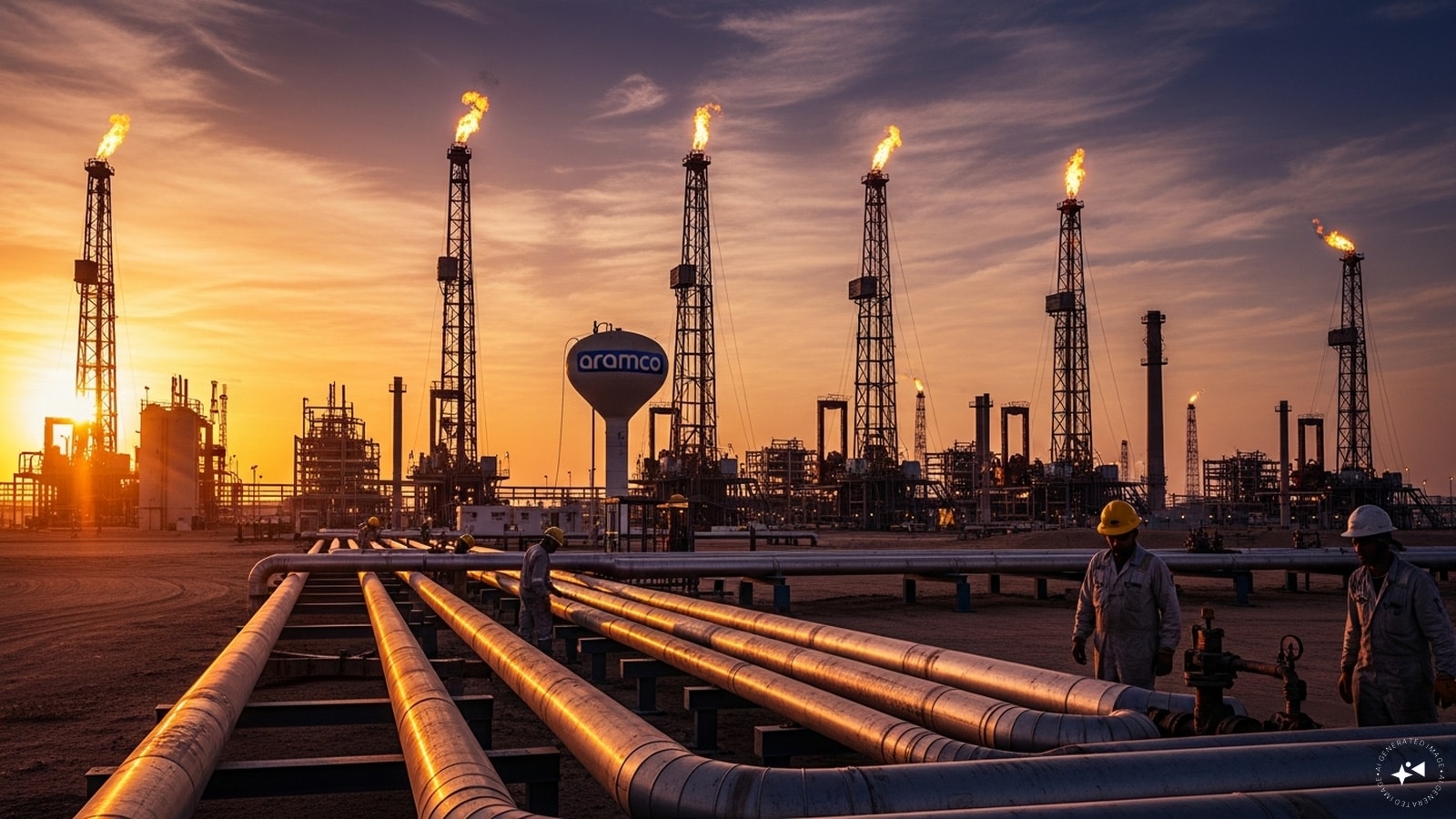
The world just got a violent reminder of how fragile our energy grid actually is. On Monday morning, March 2, 2026, a drone strike hit Saudi Aramco’s Ras Tanura facility, forcing a total shutdown of the kingdom’s largest refinery. While the Saudi Energy Ministry is busy downplaying the damage as "limited," the markets aren't buying the calm act.
Oil prices didn't just nudge upward; they exploded. We saw Brent crude leap toward $82 a barrel almost instantly. If you think this is just another regional skirmish, you’re missing the bigger picture. This strike is a direct consequence of the escalating US-Israel-Iran war, and it signals that the "safe" era of Gulf energy is officially over.
The Strike That Paralyzed Ras Tanura
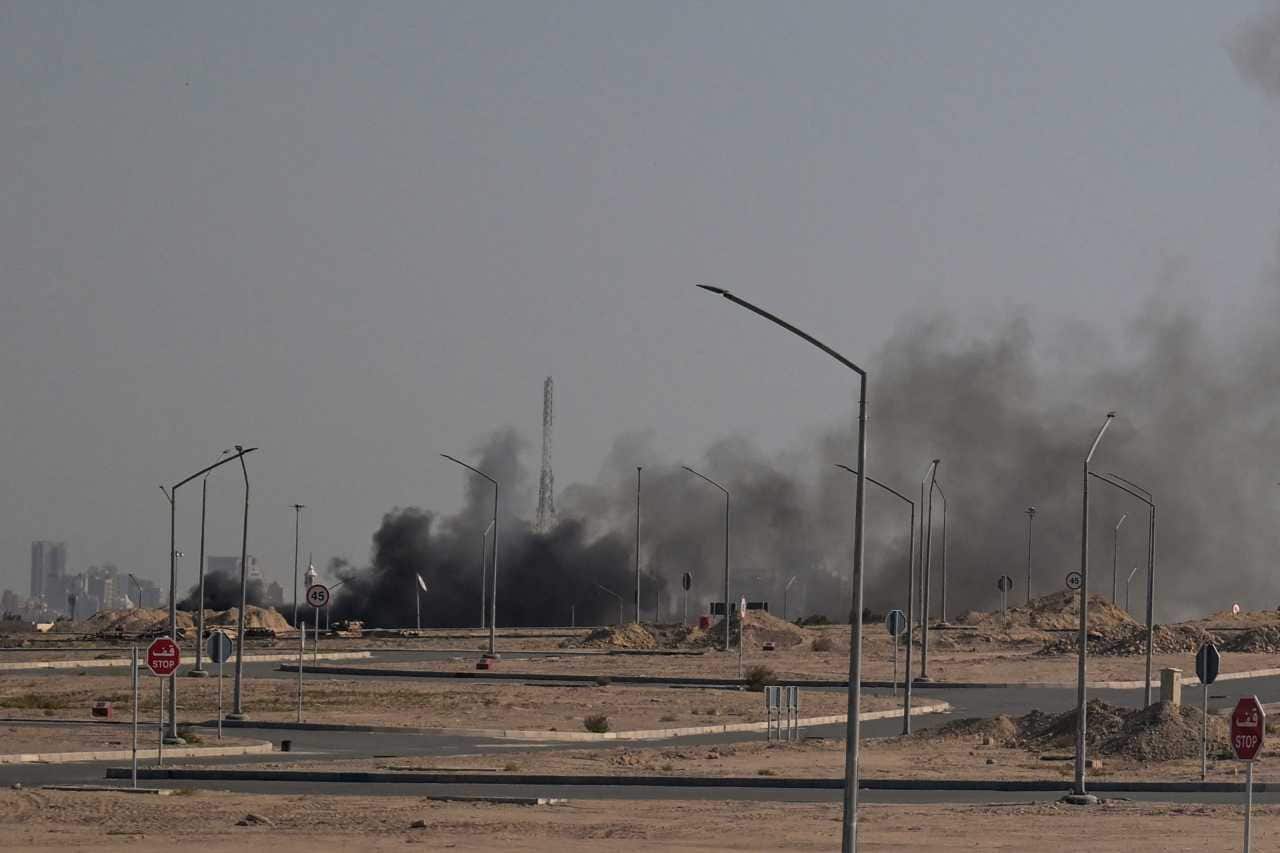
Around 7:04 a.m. local time, two drones were intercepted over the Ras Tanura complex. Even though the Saudi defense systems technically did their job, the falling debris was enough to spark a fire and trigger an emergency halt of the entire 550,000-barrel-per-day operation.
It’s a classic case of asymmetric warfare. You don't need to level a building to win. You just need to create enough chaos to force a safety shutdown. By forcing Aramco to flip the "off" switch, the attackers achieved a strategic victory without even landing a direct hit. This facility isn't just a refinery; it’s a massive export hub. When Ras Tanura stops, the ripple effect hits gas stations in Europe and factories in Asia within hours.
Why This Isn't Just Another Proxy War
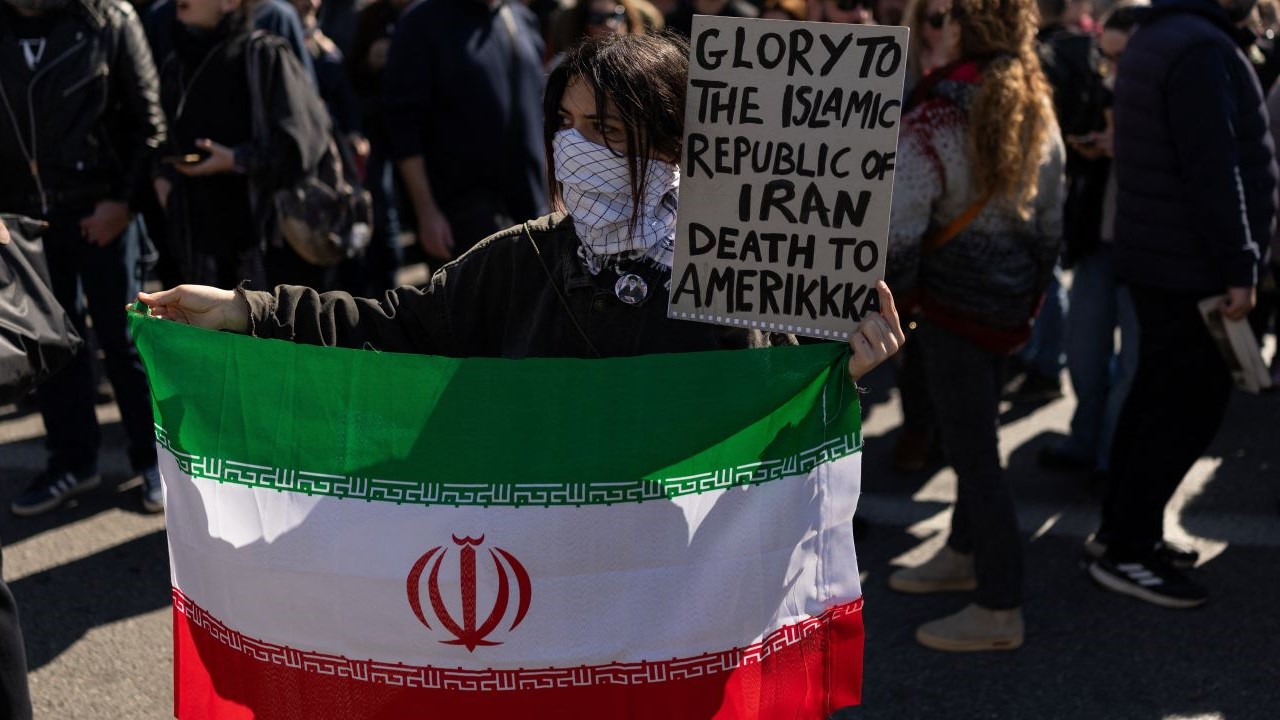
We’ve seen Houthi rebels take shots at Saudi oil before, but this feels different because it is different. This isn't a peripheral conflict. We are currently three days into a full-scale military campaign involving the US, Israel, and Iran.
- The US-Israeli Push: Over the weekend, "Operation Epic Fury" saw heavy strikes against Iranian missile sites and leadership.
- The Iranian Retaliation: Tehran didn't just sit back. They launched a swarm of over 1,000 drones and hundreds of missiles targeting assets across the Gulf.
- The Collateral Damage: Saudi Arabia, Kuwait, and Qatar have all found themselves in the crosshairs despite trying to maintain a semblance of neutrality.
The attack on Ras Tanura happened alongside the suspension of LNG production in Qatar and the shutdown of oil fields in Iraqi Kurdistan. It’s a coordinated attempt to choke the world’s energy supply and force the West to the negotiating table.
The Market Panic is Real
If you're wondering why your wallet feels lighter, look at the numbers. Gasoil futures—basically the benchmark for diesel—surged by 20%. That’s the biggest single-day jump we've seen in years.
Analysts at Verisk Maplecroft are already warning that this moves Saudi Arabia and other Gulf states much closer to joining the US and Israel in direct combat. The "wait and see" approach is dead. When your primary source of national income is literally on fire, you don't stay neutral for long.
What Most People Are Missing
The real danger isn't just the 550,000 barrels lost at Ras Tanura. It’s the Strait of Hormuz. About 20% of the world’s oil flows through that narrow waterway. Right now, shipping there has slowed to a crawl because of drone threats and actual attacks on tankers. If that chokepoint closes, $82 oil will look like a bargain. We could be staring down $120 or even $150 a barrel if this war drags into next week.
Breaking Down the Impact
Let’s be honest: the Saudi government's claim that local supplies are "unaffected" is a PR move. They have to say that to prevent domestic panic. But for the rest of the world, the math doesn't add up.
- Europe's Diesel Crisis: Ras Tanura is a massive supplier of diesel to Europe. With the refinery offline, European transport costs are about to skyrocket.
- The Insurance Nightmare: Maritime insurance for the Persian Gulf is becoming prohibitively expensive. Some tankers are already refusing to enter the Gulf without military escorts.
- The Security Myth: For years, we believed that sophisticated Patriot missile batteries and "Iron Dome"-style tech made these facilities untouchable. This strike proved that even a "successful" interception can still shut you down.
What Happens Next
Don't expect prices to drop anytime soon. Even if the fire at Ras Tanura is out, the "geopolitical risk premium" is here to stay. Traders are now pricing in the possibility of a total regional war, not just a one-off incident.
If you’re tracking your investments or just trying to budget for the month, keep a close eye on the Strait of Hormuz. That’s the real thermometer for this crisis. If we see another major facility like Abqaiq get hit, or if the naval skirmishes in the Strait intensify, the global economy is in for a very rough ride.
The next move depends on how the US responds to this latest round of Iranian retaliation. If Washington doubles down on the "Epic Fury" campaign, expect more drones over Saudi skies tonight.
Monitor the daily Brent crude price charts and watch for any announcements regarding the reopening of the Strait of Hormuz transit lanes.