The expansion of Chinese technology into the Middle East was supposed to be the ultimate hedge against Western sanctions. For years, giants like Huawei, Alibaba, and Hikvision viewed the region as a safe harbor—a place where "no-strings-attached" infrastructure deals could thrive far from the reach of the U.S. Department of Commerce. That illusion of safety is now being shredded by the escalating conflict involving Iran. What was once a strategic sanctuary has transformed into a logistical and political minefield that threatens to stall Beijing’s digital ambitions for a decade.
China is not just losing money in the Middle East right now. It is losing its grip on the "Digital Silk Road." While Western media focuses on oil prices and shipping lanes, the real casualty is the invisible web of 5G networks, data centers, and surveillance grids that Chinese firms have spent billions to install.
The Neutrality Trap
Chinese tech firms have long operated under a doctrine of functional neutrality. They sell to anyone, anywhere, provided the check clears. In the Middle East, this meant building smart cities in Saudi Arabia while simultaneously providing telecommunications backbone to Iranian state enterprises. This dual-track strategy worked as long as the region remained in a state of low-boil tension.
War changes the math. As Iranian-backed proxies and direct state actions draw more aggressive responses from Israel and its allies, the physical infrastructure of tech is becoming a target. You cannot maintain a 99.9% uptime for a regional cloud hub when the fiber optic cables are being severed by regional sabotage or when the engineers required to maintain them are fleeing the combat zone.
The "neutral" stance of Chinese firms is also being weaponized by their competitors. U.S. and European vendors are aggressively lobbying Gulf monarchies, arguing that relying on Chinese tech during a regional war involving an "allied" Iran is a national security suicide mission. It is a hard argument to beat when your servers are located in a strike zone.
Supply Chain Chokepoints and the Red Sea Factor
The logistics of high-tech manufacturing rely on a precision that the current Middle Eastern conflict does not allow. Most people think of the Red Sea crisis through the lens of grain or oil, but for a company like Xiaomi or BYD, the Red Sea is the primary artery for high-value components.
When a ship is diverted around the Cape of Good Hope, it adds roughly 10 to 14 days to the journey. For a fast-moving consumer electronics brand, two weeks is an eternity. It ruins inventory cycles and destroys the "just-in-time" manufacturing model that keeps Chinese tech prices so competitive.
- Insurance Premiums: War risk insurance for vessels entering the Persian Gulf or the Red Sea has skyrocketed. These costs are being passed directly to the tech vendors, eroding the razor-thin margins that Chinese firms use to undercut Western rivals.
- Component Scarcity: Many of the assembly plants in North Africa and the Levant that serve as re-export hubs for Chinese tech are facing shortages of specialized semiconductors and sensors that are now bogged down in transit.
It is a slow-motion strangulation. The cost of doing business has risen so sharply that the "China price" no longer looks like a bargain to regional governments.
The Cloud Sovereignty Crisis
The most ambitious Chinese project in the Middle East is the creation of a localized cloud ecosystem. Alibaba Cloud and Huawei have invested heavily in data centers in Riyadh, Abu Dhabi, and Dubai. The goal was to give these nations "digital sovereignty"—freedom from American-controlled AWS or Microsoft Azure.
But sovereignty requires stability. If a conflict involving Iran escalates into a wider regional conflagration, the physical safety of these data centers becomes a liability. Foreign investors do not want to host their proprietary AI models or sensitive financial data in a region where a single drone strike could take out the power grid.
Furthermore, there is the issue of "sanction contagion." As the U.S. moves to further isolate the Iranian economy, any Chinese firm found to be maintaining critical infrastructure that connects back to Tehran risks being cut off from the global financial system. We are seeing a quiet but frantic "de-risking" where Chinese tech leaders are forcing their Middle Eastern subsidiaries to distance themselves from any Iranian contracts. It is a messy, public retreat that undermines their image as a reliable, non-political partner.
Talent Flight and the Engineering Gap
Hardware is nothing without the humans who run it. One of China's greatest exports to the Middle East has been its army of highly skilled engineers and project managers. These teams are the backbone of the region’s digital transformation.
They are leaving.
The threat of being trapped in a conflict zone, combined with the complexities of navigating shifting diplomatic alliances, has led to a significant "brain drain" of Chinese expatriate talent from the Levant and parts of the Gulf. When the engineers go home, the projects stall. We are currently seeing multi-year 5G rollouts in several Middle Eastern markets being pushed back by 18 to 24 months. These aren't just delays; they are opportunities for Nokia and Ericsson to swoop in and reclaim market share that was thought to be lost forever.
The Surveillance Dilemma
China’s export of "Safe City" technology—high-tech surveillance and facial recognition—has been a cornerstone of its Middle Eastern strategy. These systems are marketed as tools for domestic stability. However, in a time of war, these systems become strategic assets.
There is growing concern among Middle Eastern states that these surveillance backbones could be compromised. If Iran, a strategic partner of Beijing, can access the data streams of a Chinese-built surveillance network in a neighboring country, that country’s security is fundamentally compromised. The trust that Beijing spent a decade building is evaporating. Leaders in the region are beginning to wonder if the "no-strings-attached" Chinese tech actually comes with a very long, very invisible cord leading back to a geopolitical alignment they no longer find comfortable.
The Financial Fallout of a Proxy War
Investment flows are drying up. The private equity and venture capital arms of Chinese tech giants, which were previously aggressive in funding Middle Eastern startups, have hit the pause button. They are no longer looking for the "next big thing" in Dubai; they are trying to protect the capital they already have tied up in the region.
The irony is thick. China’s "Belt and Road" was designed to create a world where geography didn't matter as much as connectivity. But geography is reasserting itself with a vengeance. The proximity of Iran to the heart of the Middle East’s tech hubs means that no amount of digital connectivity can bypass the reality of kinetic warfare.
Chinese firms are now faced with a brutal choice: double down on their presence and risk being caught in the crossfire, or pull back and concede the most lucrative emerging market in the world to the West. There is no middle ground anymore. The strategy of being "everyone’s friend" fails the moment your friends start shooting at each other.
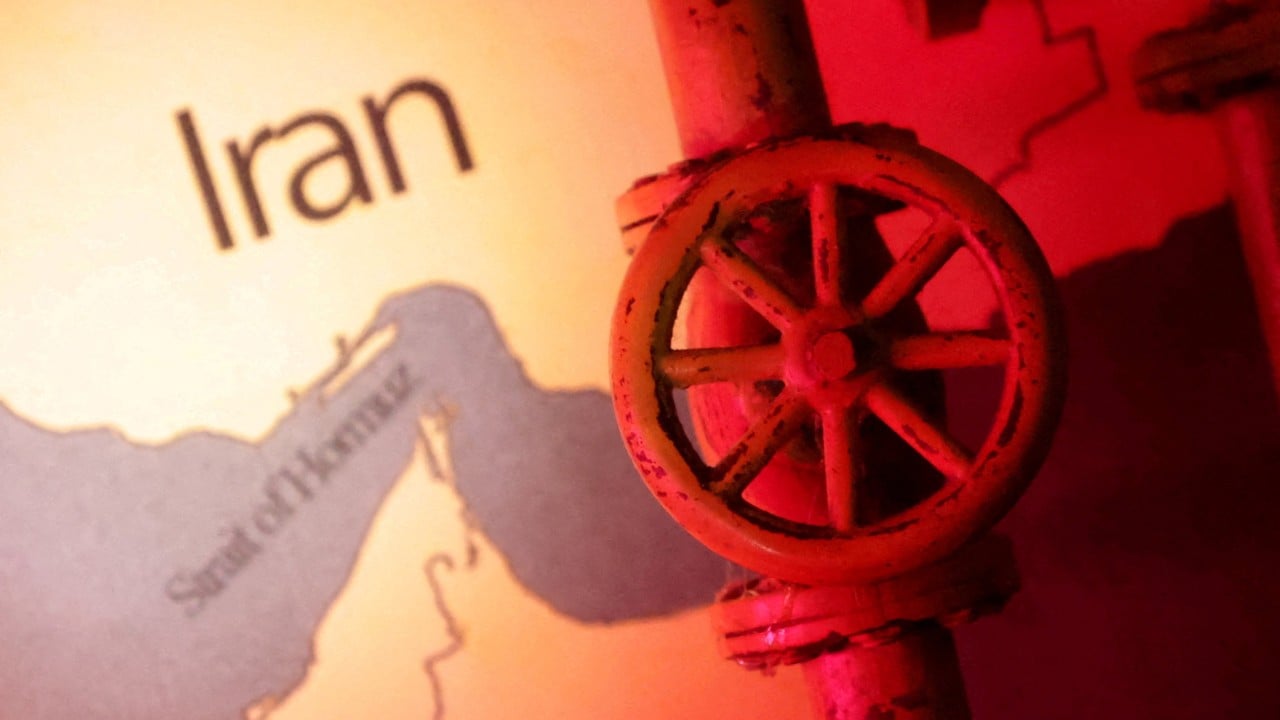
If you are a CTO in the Middle East today, you are no longer asking which cloud provider is the cheapest. You are asking which one will still be online if the regional power grid fails or if the fiber lines in the Strait of Hormuz are cut. Right now, the Chinese answer to that question is not nearly as convincing as it was two years ago.
Verify the physical redundancy of your regional data storage and audit your vendor’s supply chain routes to ensure you aren't one shipping delay away from a total operational shutdown.