The morning sun over the Strait of Hormuz does not rise so much as it ignites. It hits the jagged limestone cliffs of the Musandam Peninsula and reflects off a sea that looks, for a few fleeting moments, like liquid gold. But to the men standing on the bridges of the massive crude carriers drifting in these waters, the gold is literal. It is also volatile.
One erroneous radio transmission, one grainy satellite photo of a patrol boat, or one conflicting report from a secondary news agency in Dubai can send a shockwave through the global economy before the crew has even finished their first pot of coffee. If you enjoyed this post, you should check out: this related article.
Oil is not just a commodity. It is the ghost in the machine of modern civilization. When the reports from this narrow, twenty-one-mile-wide choke point turn contradictory, the world doesn't just watch the charts. It holds its breath.
The Narrowest Throat
Imagine a straw. Now imagine that every time you take a sip, you are trying to pull twenty percent of the world’s liquid energy through it. That is the Strait of Hormuz. For another perspective on this story, see the recent update from The Motley Fool.
On a Tuesday, the reports are calm. On Wednesday, a rumor surfaces of a "security incident" near the Omani border. Within minutes, the algorithms in London and New York begin to hum. They don't wait for the truth. They react to the possibility of the lie. The price per barrel jumps two dollars. Then, a contradictory report from a regional navy suggests it was merely a routine drill. The price sags.
To the average person filling up a sedan in a suburb of Chicago or a mother buying groceries in a village outside Lyon, these "conflicting reports" feel like abstract noise. They aren't. They are the sound of the world's pulse skipping a beat.
Consider a hypothetical captain named Elias. He has spent thirty years on the water. He knows that his ship, a Very Large Crude Carrier (VLCC), carries roughly two million barrels of oil. At eighty dollars a barrel, he is essentially piloting a $160 million floating vault. When he hears a report of rising tension in the Strait, he doesn't just see a tactical map. He sees the faces of his crew and the insurance premiums of his company skyrocketing in real-time. He knows that if the Strait closes, even for a day, the global supply chain doesn't just slow down. It breaks.
The Anatomy of a Market Panic
Markets hate a vacuum, but they despise a contradiction even more.
When the news wire says "all is quiet" and a social media account with ten thousand followers posts a blurry video of a plume of smoke, the tension creates a specific kind of friction. This is where the volatility lives. It’s the space between what is happening and what we fear is happening.
- The Lag: Information travels at the speed of light, but verification travels at the speed of bureaucracy.
- The Hedge: Traders buy "just in case," driving prices up regardless of the reality on the ground.
- The Echo: News outlets quote each other, creating a feedback loop that treats a rumor as a confirmed event.
This isn't a game for the people living in the shadow of these tankers. For them, the volatility is a constant low-frequency hum of anxiety. The Strait is a geographic reality, a jagged tooth of land that dictates the rhythm of the global afternoon.
The Invisible Stakes of Uncertainty
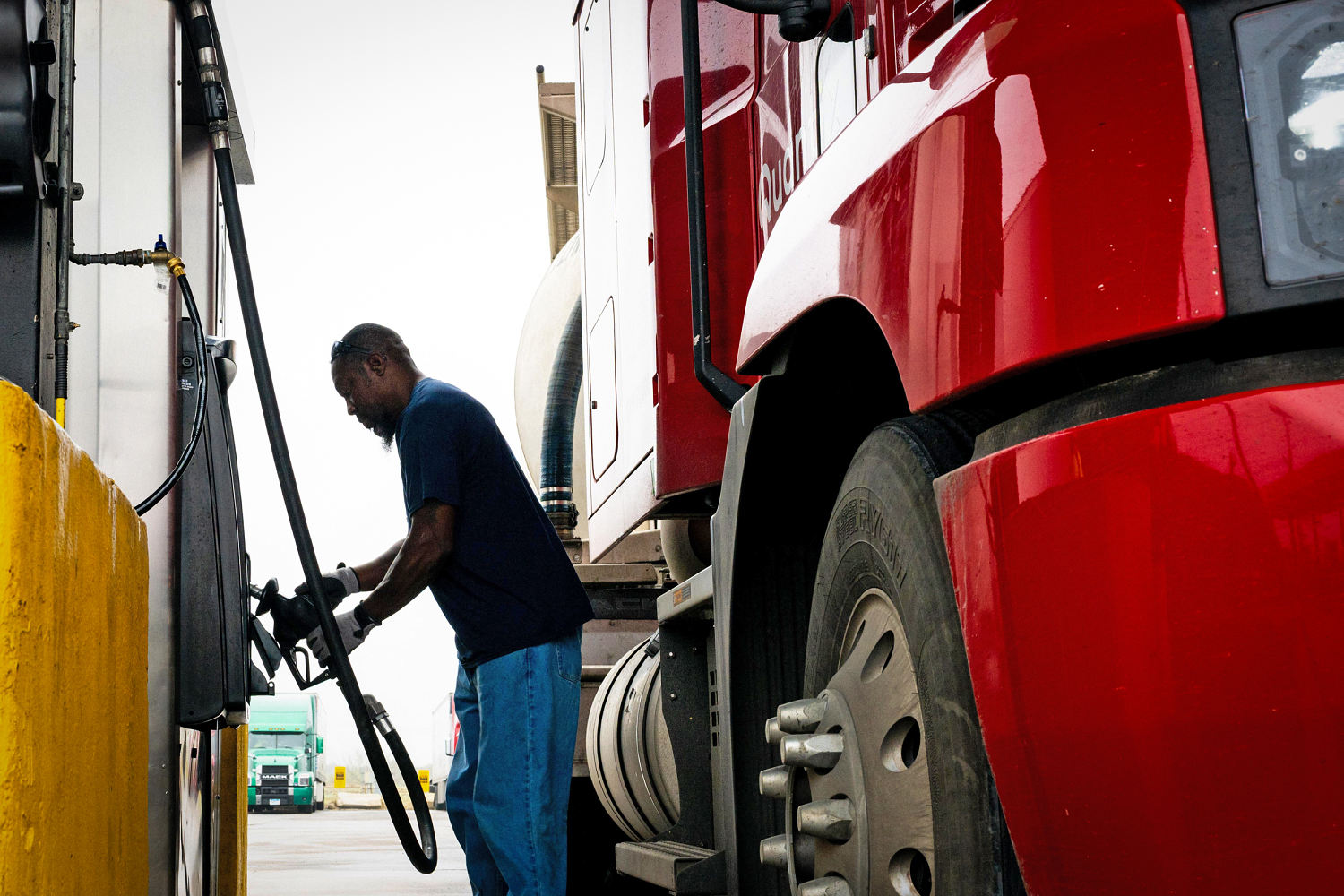
Why does it matter if the reports are conflicting? Because the modern world is built on a "just-in-time" philosophy. We do not keep massive reserves of everything we need; we rely on the fact that the tanker will arrive at the refinery precisely when it is scheduled.
When the news from Hormuz becomes a tangled mess of "maybe" and "perhaps," the certainty of that arrival vanishes.
Late last year, a series of reports emerged suggesting that a tanker had been diverted. For six hours, the price of Brent crude climbed steadily. Analysts went on television to discuss the "geopolitical ramifications" and the "potential for escalation." Then, the "diverted" ship appeared on tracking software, simply having adjusted its course to avoid a patch of rough weather.
The price dropped. But the damage was done. The temporary spike had already triggered a series of price adjustments in distal markets. The cost of a flight from London to Tokyo ticked up. The shipping surcharge for a container of electronics increased. The "noise" had a real, measurable cost.
The Human Cost of a Cent
We talk about oil in barrels and dollars, but we should talk about it in minutes and miles.
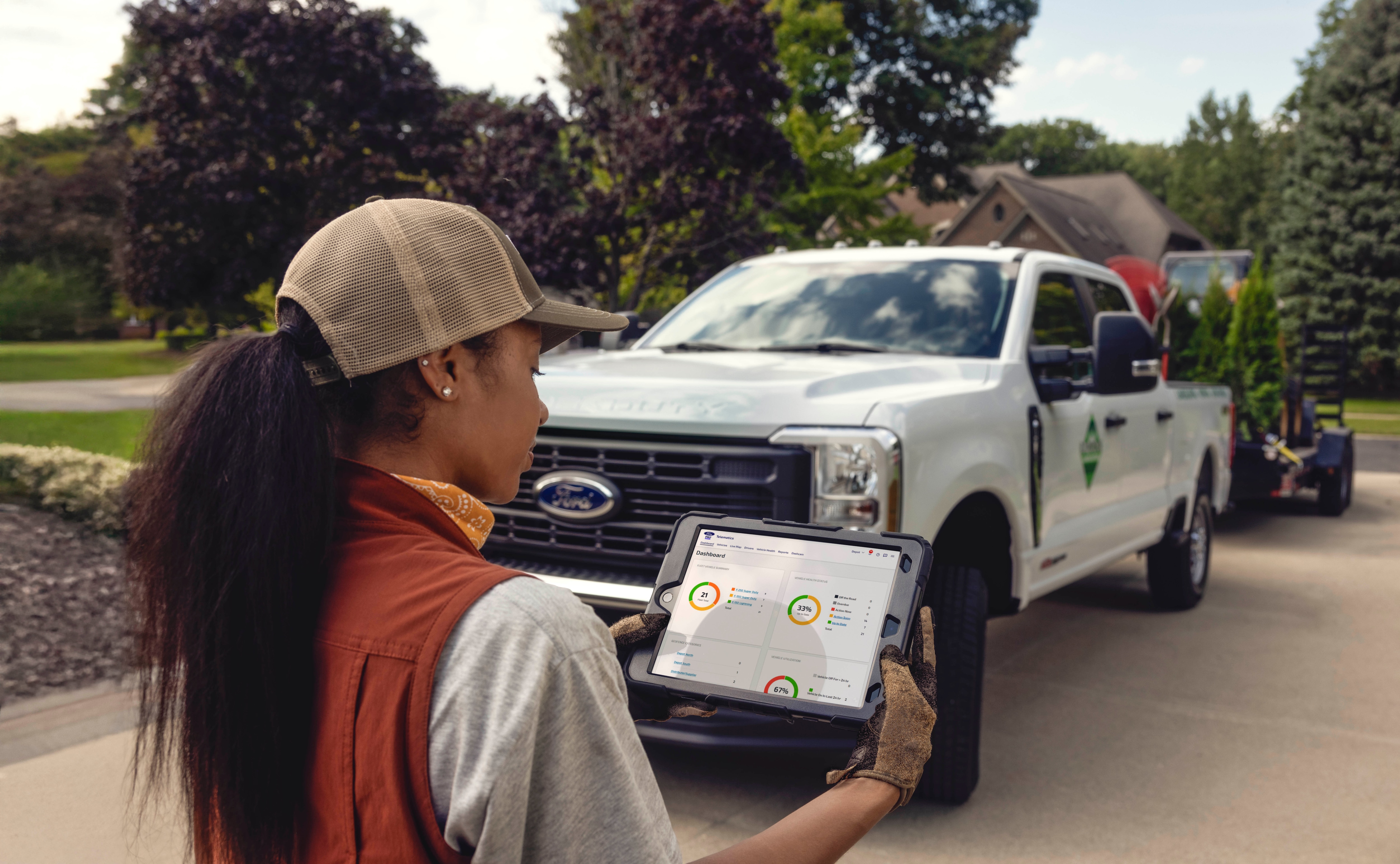
Think of a small-scale logistics provider, someone like a woman named Sarah who runs a fleet of five delivery vans in a mid-sized city. Her margins are razor-thin. She calculates her routes down to the last drop of fuel. When the Strait of Hormuz becomes "volatile," her business plan becomes a work of fiction.
She cannot plan for next month if she doesn't know if her fuel costs will rise by fifteen percent overnight because of a rumor five thousand miles away. For Sarah, the "conflicting reports" aren't a headline. They are the reason she can't hire a sixth driver or why she has to tell her current staff there will be no raises this year.
This is the emotional core of the subject. The macro-economic becomes the micro-personal. The geopolitical becomes the domestic.
The Psychology of the Choke Point
There is a reason the Strait of Hormuz remains the most scrutinized piece of water on the planet. It is the ultimate leverage.
History has shown us that when the flow of energy is threatened, the world changes. We saw it in 1973, and we see the echoes of it every time a drone flies too close to a tanker today. The conflicting reports are often a weapon in themselves—a form of gray-zone warfare where the goal isn't to sink a ship, but to sink a market.
If you can make the world believe that the Strait is unsafe, you have already won a victory without firing a single shot. You have forced your enemies to spend more on insurance, more on naval escorts, and more on the political capital required to keep the peace.
The truth is often the last thing to arrive in a crisis. In the meantime, we are left with the volatility. It is a fever that spikes and breaks, leaving the patient—the global economy—slightly more exhausted every time.
The Ghost in the Tanker
Beneath the deck of a tanker, the oil is dark, thick, and silent. It has no opinion on the reports. It doesn't care about the navy drills or the tweets from an anonymous analyst. It is simply potential energy waiting to be released.
But as long as that energy has to pass through a gap only twenty-one miles wide, it will remain the most sensitive barometer of human fear.
We find ourselves in a strange era where a single grainy photograph taken from a smartphone on a fishing dhow can influence the inflation rate of a G7 nation. We are more connected than ever, which means we are more vulnerable to the tremors of the world than ever before.
The next time you see a headline about "volatility" or "conflicting reports," don't think of the numbers on the screen. Think of the bridge of that ship in the pre-dawn light. Think of the captain looking at his radar, wondering if the blip he sees is a threat or a ghost.
The ship moves forward, heavy and slow, pushing through the gold-tinted water. It carries the weight of our cars, our heated homes, and our complex, fragile lives. It moves through the silence of the Strait, while the rest of the world screams about what might happen next.
The sun climbs higher. The heat begins to shimmer off the deck. Somewhere in a trading floor in Manhattan, a bell rings, and the dance of the cents begins again.
Would you like me to analyze how these specific price fluctuations in the Strait of Hormuz directly impact the logistics and shipping insurance industries for 2026?