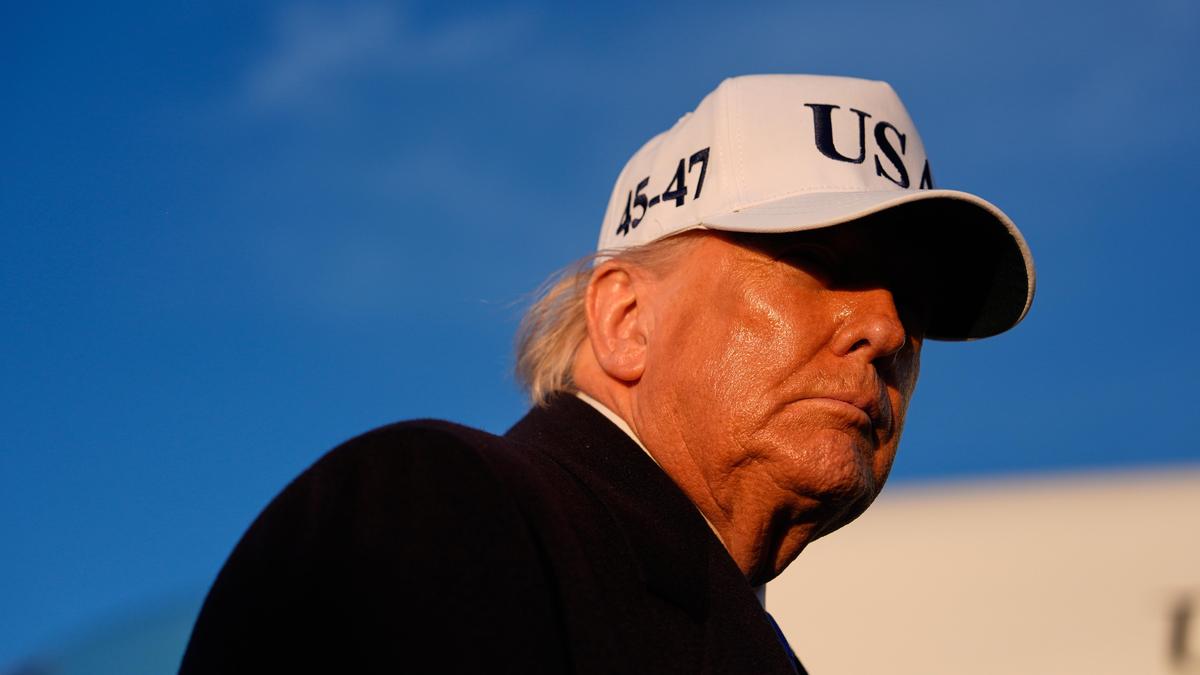
The global energy market is currently staring down the barrel of a loaded gun. If you’ve noticed your gas prices creeping up over the last few days, you’re seeing the first ripples of a crisis in the Strait of Hormuz. On Saturday, President Donald Trump didn't mince words. He took to social media to tell the world's major powers that if they want their oil to keep flowing, they need to start ponying up some naval muscle.
It’s a blunt demand. Trump is calling on allies—and even rivals like China—to send warships to the region. He’s basically saying the U.S. isn't going to play world policeman for free while everyone else reaps the benefits of stable energy prices. Iran, meanwhile, is promising "harsh retaliation" for recent U.S. and Israeli strikes on its territory. You might also find this related coverage interesting: The $2 Billion Pause and the High Stakes of Silence.
This isn't just another dry diplomatic spat. It’s a high-stakes game of maritime chicken.
The Reality of the Hormuz Chokepoint
The Strait of Hormuz is a narrow strip of water between Oman and Iran. It’s only about 21 miles wide at its narrowest point. That’s tiny. Yet, roughly 20% of the world’s oil and 20% of global liquefied natural gas (LNG) pass through this needle’s eye every single day. As highlighted in latest articles by The Guardian, the effects are significant.
When Iran threatens to close it, they aren't just threatening the U.S. They’re threatening the entire global economy. If the Strait shuts down for even a week, you’re looking at a global recession. Trump’s logic is simple: if China, Japan, and South Korea receive the lion's share of this oil, they should be the ones protecting the tankers.
Trump’s "Pay to Play" Maritime Strategy
Trump’s latest push is classic "America First" policy. He isn't suggesting the U.S. will abandon the region, but he’s making it clear that the era of the U.S. Navy providing a free security umbrella is over.
- The Demand: Trump specifically named China, France, Japan, South Korea, and the UK. He wants them to deploy warships immediately.
- The Carrot: The U.S. is offering to coordinate these efforts and provide "a lot" of help, likely in the form of intelligence and logistical support.
- The Stick: Trump warned that while the U.S. will continue "bombing the hell out of the shoreline" to neutralize Iranian threats, the primary responsibility for protecting the actual cargo belongs to the buyers.
Honestly, it’s a strategy that’s ruffled feathers in London and Paris. Most allies prefer a more measured, multi-lateral approach under a UN or NATO banner. Trump, however, wants a coalition of the willing that acts fast.
Iran’s Response and the Risk of Escalation
Tehran isn't backing down. Following U.S. strikes on Kharg Island—Iran’s primary oil export hub—the Islamic Revolutionary Guard Corps (IRGC) has declared the Strait "functionally closed" to its enemies.
They aren't just using words. Over the last two weeks, at least 18 vessels have been attacked in these waters. Iran’s Foreign Minister, Abbas Araghchi, recently called Trump’s request for allied help "begging." He’s also warned neighboring countries like the UAE that their ports could become targets if they continue to host U.S. forces.
What Iran can actually do
Don't think Iran needs a massive navy to cause chaos. They don't. Their strategy is built on "asymmetric warfare." This means:
- Fast Attack Boats: Swarming larger vessels with small, missile-armed speedboats.
- Sea Mines: Cheap, effective, and a nightmare to clear.
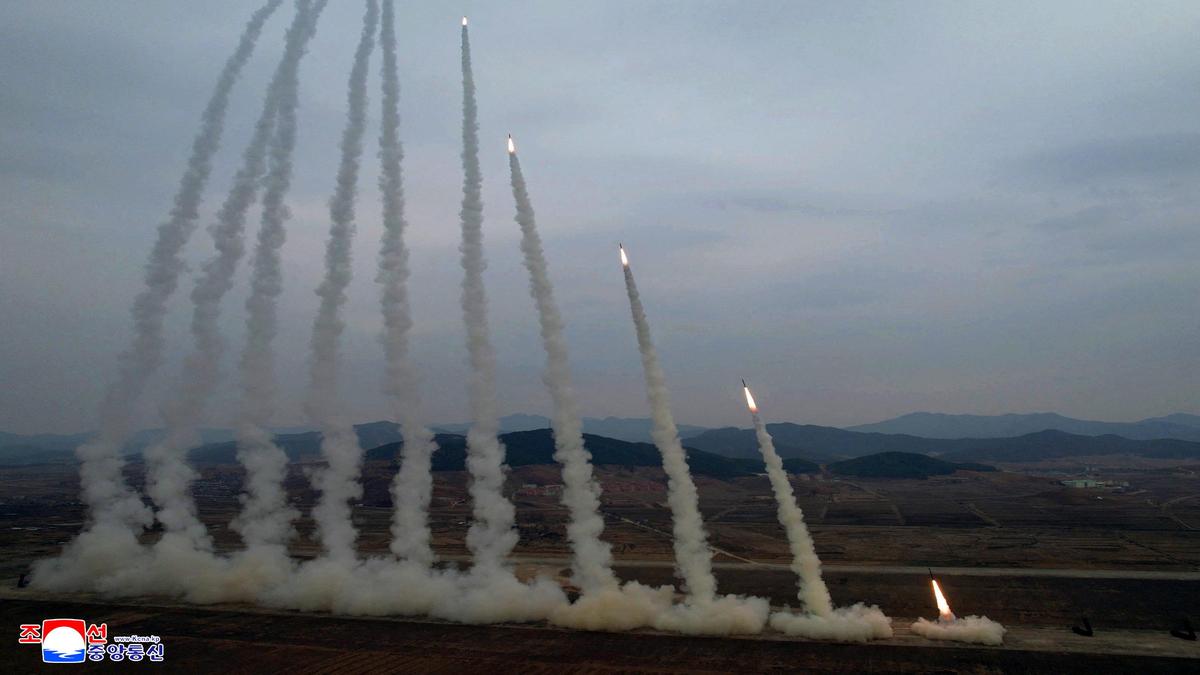
- Anti-Ship Missiles: Launched from hidden mobile batteries along the jagged Iranian coastline.
- Drones: Low-cost "suicide" drones that can disable a tanker’s bridge or engine room.
Why You Should Care About These Warships
If you think this is just a military story, look at your bank account. The Strait of Hormuz crisis has already sent Brent crude prices spiking over $100 a barrel.
When oil prices jump, everything gets more expensive. Shipping costs for consumer goods rise. Fertilizer prices—which depend on natural gas—skyrocket, leading to higher grocery bills six months down the line. It’s a domino effect.
The presence of allied warships isn't just about "war." It’s about insurance. Currently, many shipping companies like Maersk and MSC have suspended transits because insurance companies won't cover the risk. If a multi-national naval force starts escorting these tankers, it brings the risk level down. That’s the only way to get the oil moving again and keep your cost of living from exploding.
What Happens Next
Don't expect a quiet resolution. The U.S. has already authorized the release of 172 million barrels from the Strategic Petroleum Reserve to stabilize the market, but that’s a band-aid, not a cure.
Watch for the following:
- UK and France: They’re already discussing "escort options." They'll likely join, but they’ll try to frame it as a "defensive" mission to avoid looking like they're just following Trump’s lead.
- China’s Move: This is the big one. China gets nearly half its oil through that Strait. Will they send the People's Liberation Army Navy (PLAN) to work alongside the U.S.? It would be a historic shift.
- Iranian Retaliation: If the U.S. continues strikes on the Iranian mainland, expect more drone attacks on regional ports like Fujairah in the UAE.
The situation is fluid and, frankly, pretty dangerous. You should keep an eye on the daily "War Risk" premiums for shipping; they’re the best indicator of whether we’re heading for a full-scale blockade or a negotiated stand-off. For now, tighten your belt—energy volatility is the new normal.