The United States just stopped being a spectator in the scramble for African minerals. For years, Washington watched from the sidelines while Chinese firms locked up nearly every major copper and cobalt project in the Democratic Republic of Congo (DRC). That era ended this February.
A US-backed consortium called Orion CMC—a partnership between Orion Resource Partners and the US International Development Finance Corp (DFC)—announced a massive $9 billion preliminary deal to take a 40% stake in Glencore’s Congolese mining operations. This isn't just another corporate acquisition. It’s a geopolitical land grab designed to secure the materials that make modern life possible.
If you're wondering why this matters to you, look at your phone, your laptop, or the electric vehicle parked in your neighbor's driveway. They don't exist without the DRC. The country produces over 70% of the world's cobalt and sits on some of the highest-grade copper on the planet. By finally putting money on the table, the US is trying to break a Chinese monopoly that has lasted for two decades.
The Deal That Changes the Copperbelt
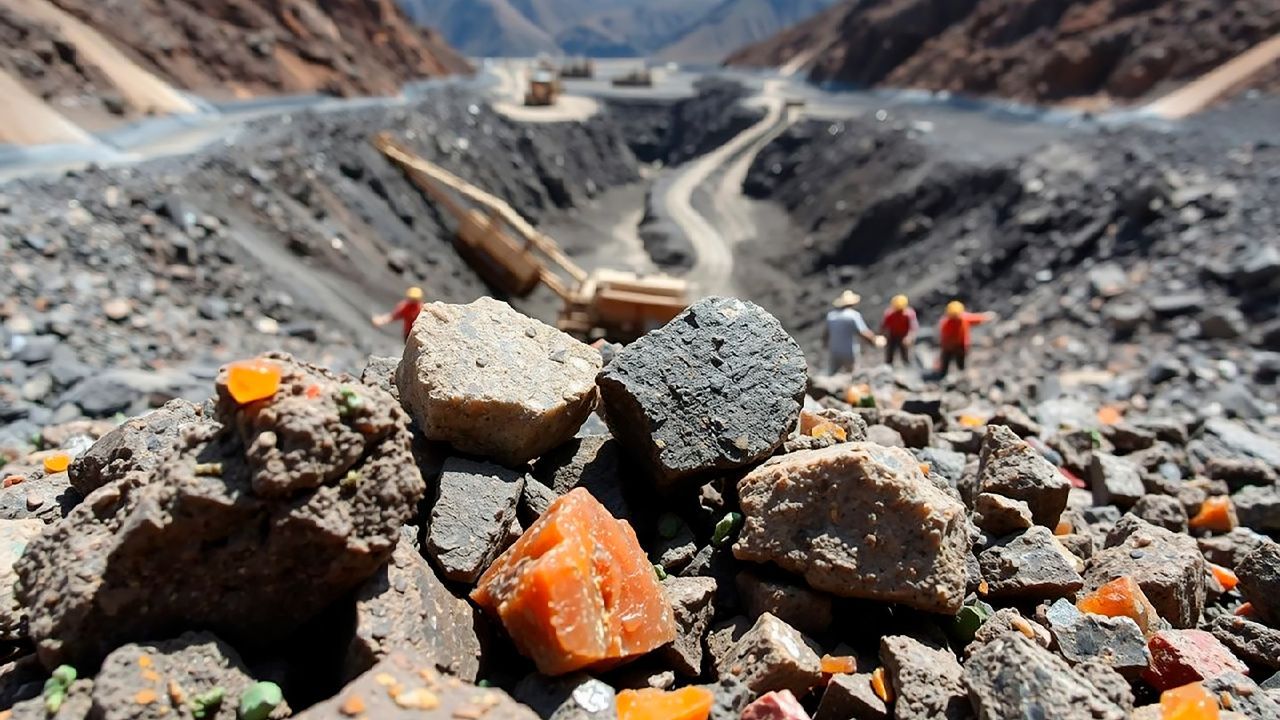
The specifics of the Orion CMC deal are eye-watering. The consortium is targeting 40% of Glencore’s interests in the Kamoto and Mutanda mines. These aren't speculative holes in the ground; they are legendary assets in the heart of the Central African Copperbelt.
While the total enterprise value is pegged at $9 billion, the actual cash layout from Orion CMC will likely be closer to $2 billion due to existing debt and ownership structures. But the price tag is secondary to the strategy. This deal creates a new American-led vehicle specifically designed to gobble up more assets across the DRC and Zambia. It’s the birth of a "US National Mining Champion" in all but name.
I've watched the US talk about "supply chain security" for years without actually doing much. This is the first time they've used their financial muscle to elbow their way into an active, world-class production site. It’s a complete reversal of the hands-off approach that allowed China to control 15 of the DRC’s 19 primary cobalt-producing mines.
Why the Trump Administration is Betting Big on Kinshasa
This move didn't happen in a vacuum. It’s the result of a flurry of diplomatic activity between the Trump administration and President Félix Tshisekedi’s government. In December 2025, the two nations signed a Strategic Partnership Agreement, and by January 2026, the DRC had handed Washington a "shortlist" of state-owned mining assets for US investors to pick from.
Secretary of State Marco Rubio has been vocal about this. He’s labeled mineral access a "priority of the highest order." The administration isn't just looking for cobalt for EV batteries; they’re looking for:
- Zinc and Lead: Essential for industrial infrastructure.
- Germanium and Gallium: Critical for high-end semiconductors and defense tech.
- Copper: The "metal of electrification" required for every power grid on earth.
The US is also backing Virtus Minerals, a firm led by former military and intelligence officials, which is currently closing in on the Chemaf assets. Chemaf owns one of the world’s largest cobalt projects, but it’s been drowning in debt. In the past, a Chinese firm like Norinco would have swooped in to save it. This time, the US blocked that path and put an American firm at the front of the line.
Beyond the Mines: The Lobito Corridor
Buying the mine is only half the battle. You have to get the rocks out of the country. Historically, DRC minerals flowed east to ports in Tanzania or South Africa—routes often influenced or funded by Chinese interests.
The US response is the Lobito Corridor. This is a massive rail project linking the DRC’s mining heartland to the port of Lobito in Angola on the Atlantic coast. By refurbishing this rail line, the US ensures a direct, westward route for minerals to reach American and European factories.
It’s a masterstroke of logistics. If you control the mine and the tracks leading to the ocean, you control the supply chain. The DFC has already pumped hundreds of millions into this rail link, proving they're serious about the "hard" infrastructure needed to compete with China’s Belt and Road Initiative.
What This Means for Global Markets
Don't expect copper or cobalt prices to drop tomorrow because of this. If anything, the entry of the US as a major buyer adds more competition to a tight market. However, it does change the "ethical" math.
For years, Western companies were hesitant to dive into the DRC because of concerns over child labor and corruption. But the "de-risking" strategy has changed. The US government is essentially providing a "seal of approval" and financial insurance for American firms to enter the region. They're betting that by being present, they can implement better standards while securing the minerals they need for national security.
Honestly, it’s about time. The West’s "moral" hesitation only served to hand the keys of the green energy transition to Beijing. Now, the US is playing the game by the same rules—using state-backed finance to secure physical assets.
If you’re an investor or just someone tracking the energy transition, keep your eyes on the next Joint Steering Committee meetings between the US and DRC. They’re currently looking at a "Strategic Asset Reserve" that will give US companies preferential access to even more mines.
The next step for you is to monitor the Virtus Minerals acquisition of Chemaf. If that deal clears the final regulatory hurdles in Kinshasa, it’ll confirm that the US isn't just dipping its toes in—it’s diving in headfirst. The scramble for the Copperbelt is no longer a one-sided affair.