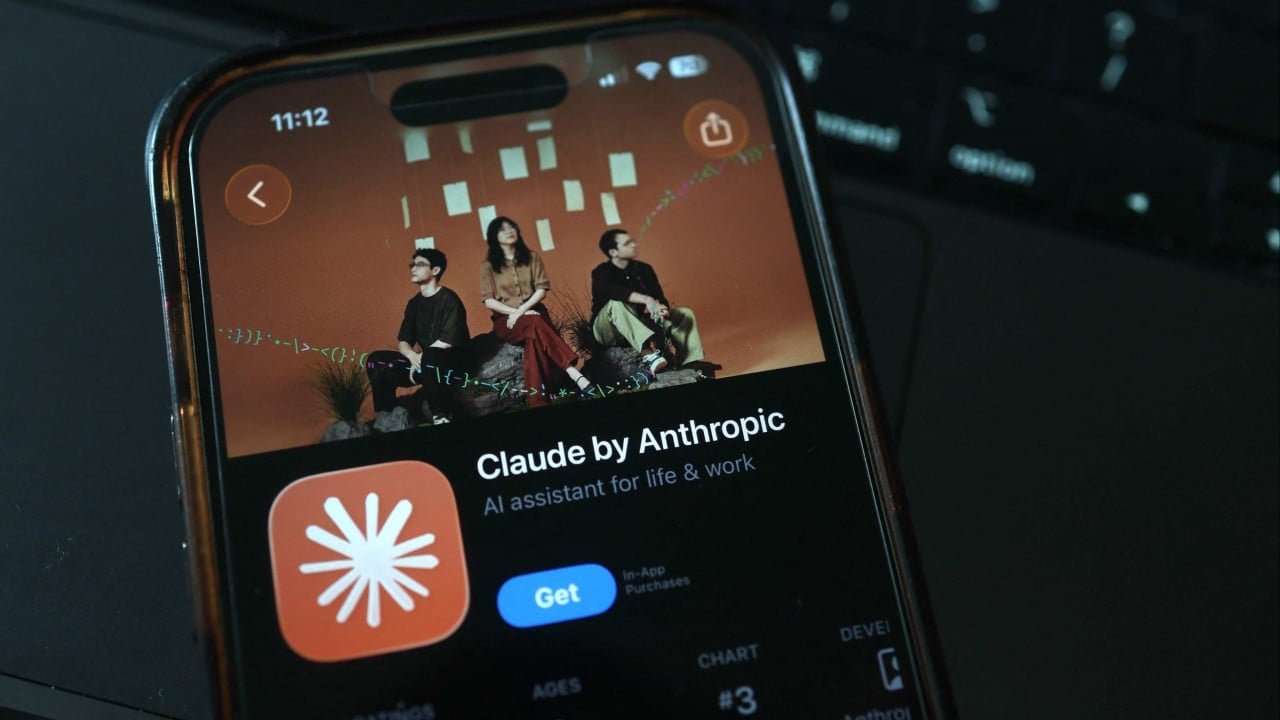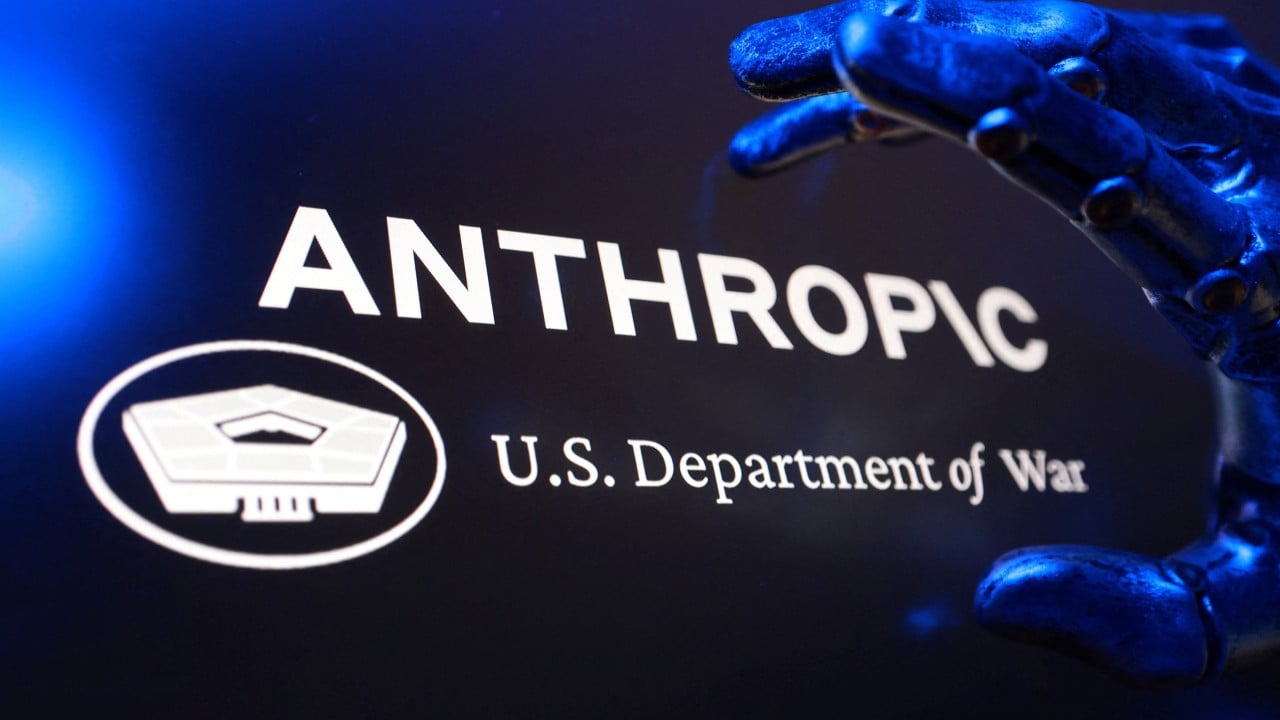
The US Treasury Department just sent a shockwave through the tech corridor. It’s officially pulling the plug on Anthropic. This isn't just a minor contract expiration or a "we’re looking at other options" transition. It’s a hard stop. The agency is moving away from the Claude platform and the underlying infrastructure that many believed was the safest bet for federal AI integration.
If you’ve been following the AI arms race, this feels backwards. Anthropic has built its entire brand on "Constitutional AI." They’re the "safe" ones. They’re the ones who supposedly bake ethics into the silicon. Yet, the very department responsible for the nation’s financial plumbing just walked away.
The immediate question is why. While the official statements lean on the usual bureaucratic jargon about "evolving needs" and "security protocols," the subtext is much louder. This move signals a massive shift in how the US government intends to handle sensitive data. It’s a wake-up call for every enterprise leader who thought a "safe" model was a shortcut to compliance.
The Reality of Federal AI Procurement
Government agencies don't buy tech like you buy a MacBook. It’s a slow, agonizing process of checks, balances, and security clearances. When the Treasury Department integrates a tool like Claude, it’s supposed to be for the long haul. Stopping use now suggests a fundamental misalignment between what Anthropic provides and what a high-stakes agency actually requires.
Data sovereignty is the big fish here. When a federal agency uses a LLM, the risk isn't just "hallucinations." It’s the potential for sensitive financial data to leak into a training set or be accessible via a third-party cloud. Even with private instances, the "black box" nature of these models makes auditors lose sleep. The Treasury handles information that could tank markets if leaked. They don't have a margin for error.
We’re seeing a pivot toward "sovereign AI." This means tools that the government owns, operates, or can audit down to the last line of code. Anthropic, for all its safety talk, is still a private company with proprietary weights. You can’t look under the hood of Claude 3.5 or whatever comes next in the way a federal forensic team might want to.
Breaking Down the Security Friction
Security isn't a single checkbox. It’s a layered mess. For the Treasury, the friction likely came down to three specific areas.
Model Transparency and Auditing
You can't audit Claude. Not really. You can test its outputs, sure. You can run "red teaming" exercises. But you don't own the weights. If the Treasury wants to ensure that a model won't favor certain financial institutions or leak tax data, they need more than a pinky promise from a Silicon Valley startup. They need local control.
The Latency and Reliability Trap
Government systems need to work 100% of the time. API outages are an annoyance for a startup. For the Treasury, they’re a national security risk. Relying on an external provider’s uptime for critical financial workflows is a gamble. As these models get larger and more computationally expensive, the risk of "brownouts" or throttled performance increases.
Customization vs Out of the Box Performance
Anthropic sells a generalized product. It’s great at poetry and coding. Is it great at spotting a complex money-laundering scheme involving three shell companies and a crypto mixer? Maybe. But the Treasury likely realized they need something purpose-built. A "generalist" AI is a jack of all trades and a master of none, and when you’re managing the world’s largest economy, "pretty good" is a failing grade.
What Happens to the AI Market Now
This isn't just about one contract. It’s a signal to the entire industry. If Anthropic—the poster child for "responsible AI"—can’t keep a seat at the Treasury table, who can?
Expect to see a massive surge in demand for open-source models like Llama or Mistral within the federal space. Why? Because you can download them. You can run them on your own servers. You can fine-tune them on isolated data sets without ever connecting to the internet.
The "Model as a Service" (MaaS) dream is hitting a wall in the public sector. High-compliance industries like defense, healthcare, and finance are realizing that convenience is the enemy of security. They’re starting to prefer "small" models they can control over "giant" models they have to rent.
The Shift Toward In-House Development
The Treasury’s departure from Anthropic suggests they’re betting on themselves. We’re going to see more "Government GPTs" built on open weights. This allows for:
- Total Data Isolation: No packets leaving the building.
- Custom Safety Layers: Instead of Anthropic’s "Constitution," the Treasury can use the US Tax Code as the foundation.
- Cost Predictability: No more worrying about token pricing or API credits.
It's a smarter play. It’s harder to set up, but it’s the only way to ensure long-term stability. If you’re a developer or a tech lead, the lesson is clear. Stop building wrappers around third-party APIs if you want to sell to the big dogs. Start building on infrastructure you actually own.
Immediate Steps for Tech Leaders
If you’re currently using Anthropic or any other third-party AI for sensitive work, you need to re-evaluate your stack today. Don't wait for a data breach or a policy shift to catch you off guard.
First, audit your data flow. Map out exactly where your prompts go. If they’re hitting a public API, you have a vulnerability. Second, start experimenting with local LLM deployments. Tools like Ollama or vLLM make it easy to run powerful models on your own hardware. You’ll find that a fine-tuned 7B or 70B model often outperforms a massive generalist model for specific tasks anyway.
Third, get real about your "Safety" requirements. If you've been using Anthropic because they "feel" safer, look at the actual documentation. Compare their safety guardrails against what you could build yourself using an open-source framework. You might find that the "safety" you’re paying for is mostly marketing.
The Treasury just showed us that the future of AI isn't in the cloud. It’s in the basement. It’s on-prem, it’s audited, and it’s owned. If you want to stay relevant, you better start moving your weights home.
Check your current service level agreements (SLAs) for any AI vendors you use. Look specifically for "data retention" and "model training" opt-outs. If you can't find them, or if they’re buried in legalese, it’s time to start looking for a more transparent alternative. Start a pilot program today using an open-source model for one internal task to prove you can handle the infrastructure. It’s the only way to future-proof your operations.