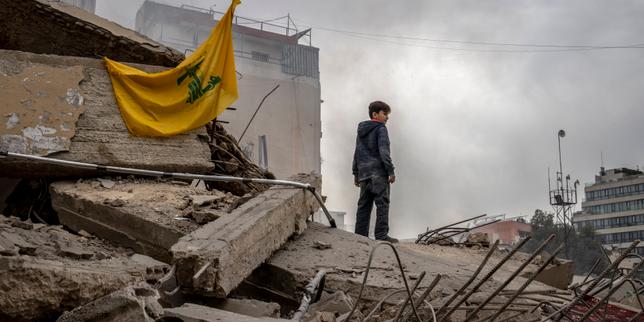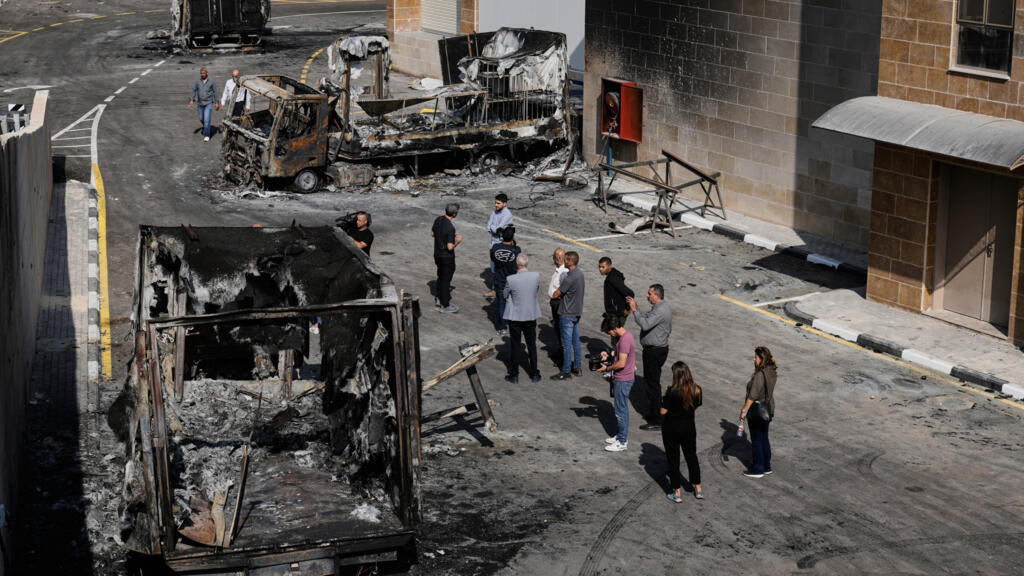
The images coming out of the West Bank aren't just snapshots of a localized scuffle. They represent a systemic breakdown of law that has finally pushed European leaders to a breaking point. For years, the diplomatic dance involved "expressing concern" or "calling for restraint." That era is over. Now, we're seeing the phrase settler terror move from the fringes of activist rhetoric into the formal communiqués of major world powers.
It's a shift that matters. When countries like France, Germany, and the UK start using the word "terror" to describe the actions of Israeli settlers against Palestinian civilians, the geopolitical math changes. They aren't just talking about property damage anymore. They're talking about a coordinated effort to uproot entire communities through fear and physical force. For a deeper dive into this area, we recommend: this related article.
The tipping point for European diplomacy
Recent months have seen a spike in violence that is hard to ignore even if you're looking the other way. We've seen olive groves torched, livestock killed, and homes set ablaze while families slept inside. The European Union's foreign policy wing and individual national governments have watched the data climb. According to reports from the United Nations Office for the Coordination of Humanitarian Affairs (OCHA), the frequency and severity of these attacks reached record highs in late 2024 and early 2025.
What changed? The perceived impunity. European diplomats are no longer quiet about the fact that many of these attacks happen while uniformed forces stand by—or sometimes even participate. This isn't just "vigilantism." It's a collapse of the rule of law. When a government fails to protect a civilian population under its military control, international law has a lot to say about it. Europe is starting to recite those laws out loud. For broader information on this topic, extensive coverage can also be found at TIME.
Breaking down the sanctions strategy
For a long time, the idea of sanctioning Israeli individuals was a non-starter in European capitals. That taboo is dead. The UK and France have already led the way by freezing assets and imposing travel bans on specific extremist settlers and the organizations that fund them.
These aren't just symbolic slaps on the wrist. They create real friction.
- Financial institutions often flag anyone on these lists, making it nearly impossible for them to hold international bank accounts.
- Travel bans mean these individuals can't vacation in Paris or attend fundraising galas in London.
- Most importantly, it signals to the Israeli government that the "special relationship" has limits.
The goal isn't just to punish a few guys in outposts. It’s to squeeze the radical fringe so hard that the political center in Israel feels the heat. European leaders realize that if they don't act, the two-state solution—the bedrock of their Middle East policy for decades—will be physically erased by outposts and access roads.
Why the term terror is being used now
Words have weight in international relations. Calling an act "criminal" suggests a rogue individual. Calling it "terror" suggests a political motive aimed at intimidating a population. By adopting this language, Europe is acknowledging that the violence in the West Bank is a tool of displacement.
The European stance is simple. You can't claim to be a democracy while allowing a segment of your population to wage a private war against another. This isn't about being "anti-Israel." It’s about being "pro-stability." A West Bank in flames is a nightmare for European security, potentially triggering wider regional instability that sends shockwaves across the Mediterranean.
The impact on the ground
Does a statement from Brussels actually save a Palestinian farmer's sheep in Area C? Probably not today. But it changes the long game.
When Europe speaks with one voice, it affects trade agreements and scientific cooperation. Israel values its ties to the European market and research community. If the cost of supporting—or ignoring—extremist settlers becomes the isolation of the Israeli economy, the internal political conversation in Jerusalem will have to shift. We're already seeing more moderate voices within the Israeli security establishment warn that settler violence is a strategic threat to the state itself.
What happens when the talk ends
The next phase isn't more letters. It's broader enforcement. Watch for the EU to tighten "Made in Israel" labeling requirements to ensure products from settlements don't benefit from trade preferences. Expect more aggressive vetting of charities that claim to be doing "humanitarian" work in the West Bank but are actually funneling Euros into illegal outposts.
If you're following this, stop looking for one big event that fixes everything. It doesn't work that way. Look for the slow, grinding accumulation of diplomatic and financial pressure. Europe has decided that "concern" is a failed currency. They're moving to a harder one.
Pay attention to the specific names added to the next round of sanctions. Those names tell you exactly which hills and valleys the diplomatic world is worried about. Follow the money trails of the NGOs supporting these outposts. If you want to see where this goes, track the legal challenges in European courts regarding the import of goods from the territories. The legal infrastructure for a much larger decoupling is being built right now.