The average American consumer is currently paying a silent tax for geopolitical instability in the Middle East, even if they never look at a map. While headlines focus on missile trajectories and diplomatic stalemates, the actual fallout is measured in cents per gallon at the pump and dollars added to the weekly grocery bill. It is a slow-motion economic collision. As tensions between Western interests and regional powers like Iran intensify, the global supply chain reacts with a volatility that defies simple explanations of supply and demand. We are seeing the immediate translation of military posturing into domestic inflation, a phenomenon that has moved from the trading floors of Chicago to the kitchen tables of Ohio.
The Crude Reality of Energy Contagion
Oil remains the primary conductor of geopolitical shocks. When the threat of conflict looms over the Strait of Hormuz, through which roughly 20% of the world's liquid petroleum passes, the market does not wait for a single shot to be fired. Traders bake the risk of disruption into the current price. This is not corporate greed in its simplest form, but a systemic hedging mechanism that treats potential chaos as a present-day cost.
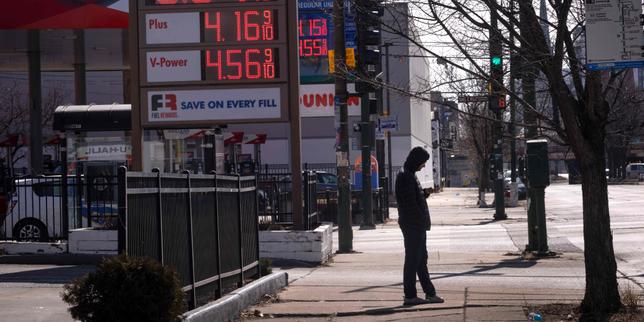
For the American driver, this manifests as a sudden, sharp uptick in gas prices that seems disconnected from local economic conditions. However, the energy spike is merely the first domino. Because the United States remains heavily reliant on diesel-powered trucking for the movement of goods, every increase in the price of a barrel of crude eventually finds its way into the price of a head of lettuce or a gallon of milk. The transport surcharges that shipping companies apply to their routes are not absorbed by the retailers; they are passed directly to the person standing at the checkout counter.
Strategic Reserves and the Illusion of Safety
There is a common misconception that the Strategic Petroleum Reserve (SPR) acts as a permanent shield against global instability. It does not. The SPR is a finite tool designed for short-term emergency mitigation, not long-term economic stabilization. As of 2026, the depletion of these reserves to manage previous shocks has left the U.S. with less leverage than many assume.
When the global market anticipates a supply-side shock, the SPR's current capacity is factored into the calculation. A weakened reserve doesn't just mean less physical oil; it signals a diminished capacity to influence OPEC+ or discourage speculative trading. The resulting market environment is one of hair-trigger reactions. A single stray drone or a perceived breakdown in a diplomatic corridor can send futures soaring by double-digit percentages in a matter of hours.
The True Cost of Supply Chain Rerouting
Maritime logistics have become the invisible victim of the current regional tensions. Large shipping conglomerates are increasingly avoiding the Red Sea, opting instead for the lengthy and expensive route around the Cape of Good Hope. This choice adds 10 to 14 days to a standard transit from East to West.
What does this mean for the person buying a new appliance or a set of tires? It means a significant increase in the cost of landed goods. These extra days on the water are not free. They involve millions in additional fuel, increased labor costs for crews, and a sharp rise in insurance premiums. The insurance sector is particularly sensitive to these risks. War-risk premiums have surged, often doubling or tripling for vessels moving through certain corridors. This is a cost that doesn't show up as a line item on a receipt, but it is built into the base price of every imported component.
The Hidden Inflation of Everyday Goods
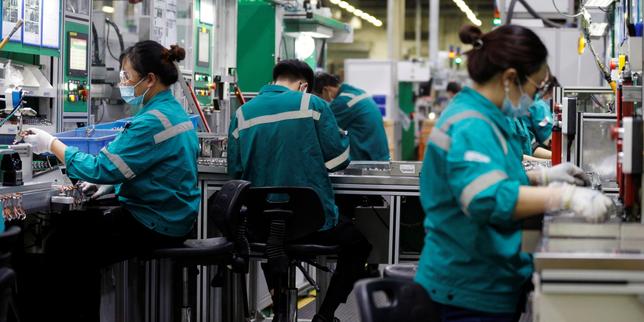
While fuel is the obvious catalyst, the secondary effects of this geopolitical friction are far more insidious. Modern manufacturing is a global endeavor. A smartphone contains components from a dozen countries, many of which must pass through the very regions currently experiencing volatility.
When the flow of these components is slowed or made more expensive, the entire production line feels the pressure. We are seeing a return to the "just-in-case" inventory model, which is fundamentally more expensive than the "just-in-time" model that dominated the pre-crisis era. Companies are now forced to hold more stock and pay for more storage to mitigate the risk of a sudden supply cutoff. This creates a permanent upward pressure on prices that is difficult to reverse once established.
The Disconnect Between Wall Street and the Grocery Store
There is a growing gap between the macroeconomic indicators that the Federal Reserve watches and the reality of the American consumer's spending power. While core inflation may appear to be stabilizing in some sectors, the high-frequency items—energy and food—are the most susceptible to geopolitical shocks.
The American consumer is not a monolith. Those on fixed incomes or in the lower-middle class feel the 15% jump in a heating bill far more acutely than the market analyst who sees it as a data point on a chart. The psychological impact of these price swings also cannot be ignored. When the cost of basic survival becomes unpredictable, consumer confidence drops, and the broader economy slows down. This is the real-world consequence of a conflict thousands of miles away.
Energy Independence as a Moving Target
The rhetoric of energy independence is often used as a political sedative. While it is true that the United States is a massive producer of oil and gas, the global nature of the market means that American producers sell at world prices. A domestic driller in Texas will not sell their oil for $60 a barrel if the global price is $95. They are part of a globalized system that is inextricably linked to the stability of the Middle East.
Until the domestic infrastructure for alternative energy is more robust and the reliance on global petroleum is genuinely reduced, the American consumer will remain a hostage to the decisions made in foreign capitals. This is the uncomfortable truth that neither political party wants to emphasize. The global economy is a single, interconnected web, and a tug on any one strand is felt across the entire structure.
The Real Cost of Doing Nothing
The current situation is not a temporary blip that will simply resolve itself if everyone waits long enough. The geopolitical landscape has shifted fundamentally. The era of cheap, predictable energy and low-cost global logistics is being replaced by a more fragmented and expensive reality.
Businesses are beginning to realize that the old rules no longer apply. The cost of geopolitical risk must now be permanently integrated into every business plan and every consumer's budget. The "peace dividend" that followed the end of the Cold War has been fully spent, and we are now paying the interest on that debt.
For the American consumer, the best defense is a clear understanding of these mechanisms. The price on the tag is no longer just a reflection of the item's value; it is a live-tracking metric of global stability. When you pay more for a gallon of gas or a bag of groceries, you are witnessing the economic cost of a world in transition. This reality is not a distant threat. It is the current price of admission.
The most effective way to navigate this volatility is to prepare for a sustained period of higher costs across the board. The era of easy, predictable pricing is over.