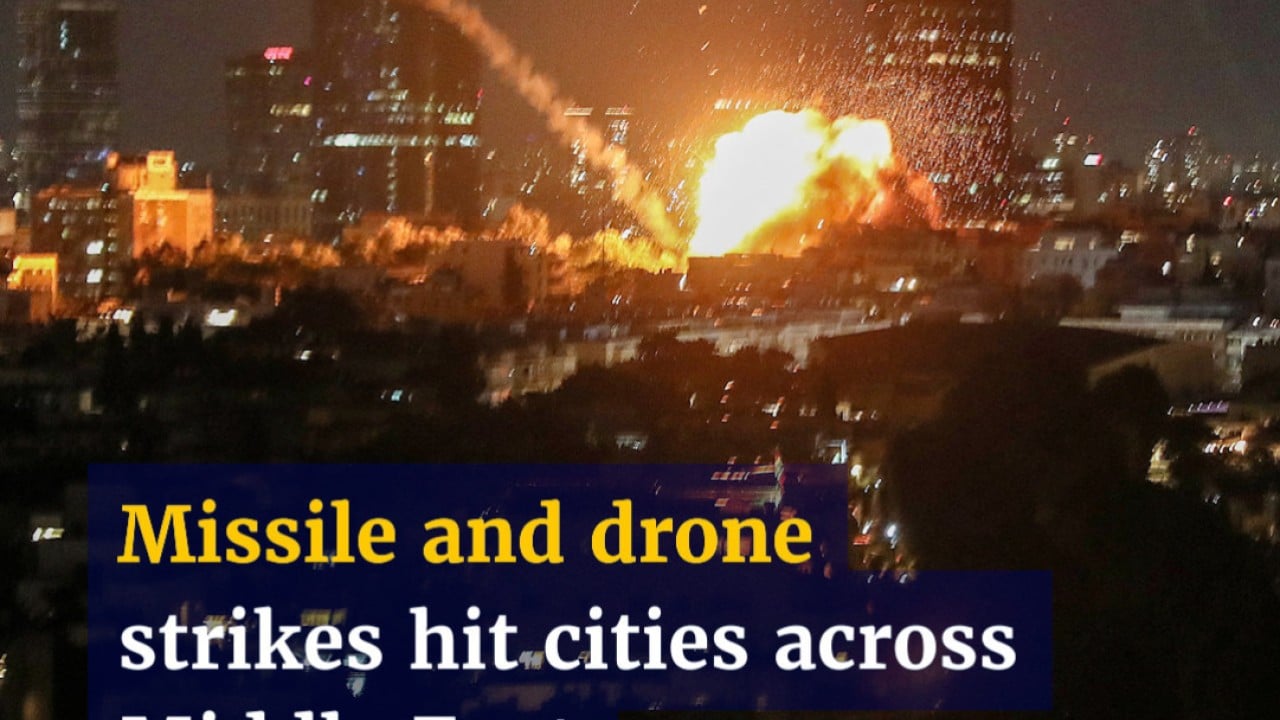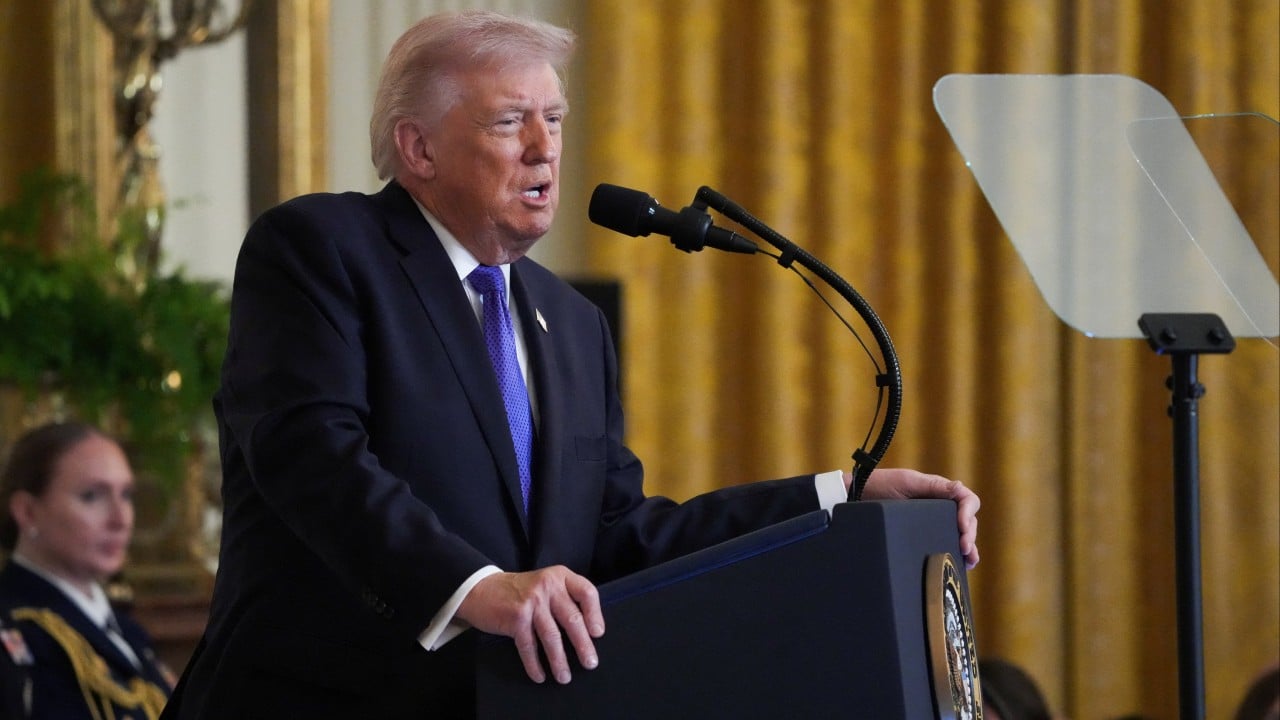
The smoke rising over Tehran on day three of Operation Epic Fury is not just the result of precision-guided munitions; it is the physical manifestation of a collapsed geopolitical order. President Donald Trump, speaking from the White House East Room during a Medal of Honor ceremony on Monday, confirmed what the Pentagon had been whispering for forty-eight hours. This is not a "surgical strike" or a weekend message. It is a large-scale combat operation projected to last at least five weeks, with the president pointedly adding that the United States has the "capability to go far longer than that."
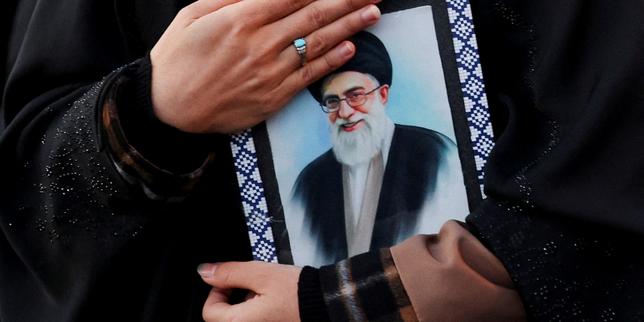
By Monday afternoon, the scope of the devastation became clear. The initial waves of U.S. and Israeli strikes have decapitated the Iranian leadership, claiming the life of Supreme Leader Ali Khamenei and dozens of senior officials. While the administration frames this as a "last best chance" to eliminate a nuclear threat, the reality on the ground suggests a much more grimy, protracted struggle is beginning. With four American service members already dead in Kuwait and the Middle East's energy infrastructure under direct fire, the five-week timeline looks less like a deadline and more like a hopeful opening chapter in a war that has already outpaced its own projections.
The Strategy of Decapitation and the Power Vacuum
The sheer speed of the "decapitation campaign" has shocked even seasoned intelligence analysts. By Sunday, reports confirmed that CIA-led intelligence allowed for the strike that killed Khamenei, effectively ending a four-decade theocratic era in a single afternoon. Trump’s rhetoric on Monday was a mixture of triumph and caution. He boasted of sinking ten Iranian naval vessels—sending them, in his words, to the "bottom of the sea"—while simultaneously warning the American public that "sadly, there will likely be more" U.S. casualties before the end.
This is a war of three distinct pillars.
- Total suppression of air defenses: The first 48 hours saw over 1,250 targets hit, rendering the Iranian Air Force and its S-300 batteries largely non-functional.
- Naval Annihilation: The U.S. Navy is systematically hunting IRGC fast-attack craft and the Artesh Navy to prevent a blockade of the Strait of Hormuz.
- Nuclear and Missile Degradation: Bunker-buster bombs have struck sites near Najafabad and Esfahan, aiming to bury Iran’s atomic ambitions under tons of concrete and twisted steel.
However, the "how" of this operation reveals a dangerous assumption. The administration is betting that by removing the head of the snake, the body will wither. Instead, the lack of a clear successor has left the IRGC’s regional commanders—the so-called "Axis of Resistance"—operating with newfound, unpredictable autonomy.
The Magnitude of Retaliation
If the goal was to cow the Iranian military into submission, the early results are mixed. While their command and control is fractured, the retaliatory strikes have been broad and reckless. On Monday morning, an Iranian drone struck a British airbase in Cyprus, a direct response to Prime Minister Keir Starmer’s decision to allow the U.S. to use the island for defensive missile launches.
The economic fallout is also no longer a theoretical risk. Saudi Aramco was forced to shutter the Ras Tanura refinery after a swarm of drones slipped through local defenses. This is the lifeblood of the global energy market. When the world’s largest refinery goes dark, the five-week timeline starts to feel like an eternity for global markets already reeling from the worst travel chaos since the pandemic era.
In the Persian Gulf, the situation is even more volatile. The IRGC has reportedly targeted oil tankers regardless of their flag, a desperate move to spike global prices and force international pressure for a ceasefire.
The Boots on the Ground Question
The most significant shift in Monday’s rhetoric was the president’s refusal to rule out a ground invasion. In an interview with the New York Post, Trump noted he "probably" wouldn't need them but wouldn't say there would be "no boots on the ground." This lack of a definitive red line marks a departure from his 2024 campaign platform of ending "foreign wars."
Defense Secretary Pete Hegseth reinforced this ambiguity, stating that the administration would not engage in the "foolish" exercise of telegraphing its moves. This "strategic ambiguity" may keep Tehran’s remaining generals guessing, but it has sparked a firestorm in Washington. Critics point to the 1973 War Powers Resolution, arguing that a five-week war—especially one that has already killed the leader of a sovereign nation—requires more than a three-minute mention in a State of the Union address.
The High-Tech Attrition
On the technological front, the war is being fought with a level of intensity not seen in previous Middle Eastern conflicts. U.S. MQ-9 Reapers are providing persistent surveillance over Tehran, feeding real-time data to B-2 stealth bombers. The Israeli Air Force has mobilized 110,000 reservists, signaling that they, at least, are prepared for a conflict that extends well beyond the five-week window.
The IDF estimates that while they have destroyed nearly half of Iran’s missile launchers, the remaining units have become more efficient. Iran has increased the density of its barrages, moving from small, sporadic launches to coordinated salvos of up to 30 missiles at a time. This is a gritty war of attrition. The Iranian "Shahed" drones remain a persistent threat, frequently penetrating sophisticated air defenses through sheer volume.
The Diplomatic Mirage
Despite the ongoing firestorm, Trump claimed on Monday that the "regime wants to talk." He suggested that the military success has made a nuclear deal "much easier" to achieve. It is a classic "maximum pressure" tactic taken to its absolute kinetic extreme. But who is left to talk? With the Supreme Leader dead and the IRGC in a state of "headlong decline," the U.S. may find itself with no one on the other side of the table capable of enforcing a ceasefire.
The UN Secretary-General has already warned that the strikes "squandered a chance for diplomacy." The Omani mediators, who were reportedly close to a breakthrough in February, have been sidelined. The administration's gamble is that a new, more compliant Iranian leadership will emerge from the ruins of the old. If that doesn't happen within the next thirty-five days, the "five-week war" will likely become a footnote in a much larger, more dangerous regional conflagration.
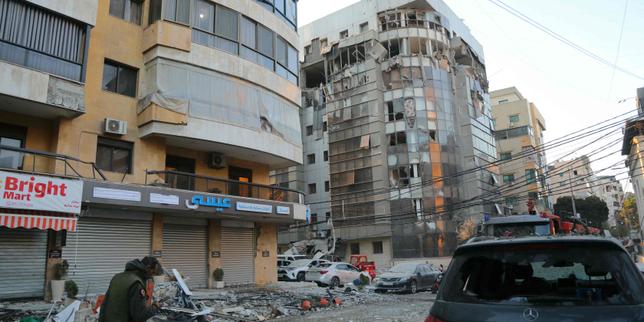
The American public is now watching a clock that hasn't even begun its most difficult countdown. Every day this continues, the risk of a wider war involving Hezbollah in Lebanon—who already traded strikes with Israel on Monday—and other regional actors increases. The president says he doesn't "get bored" with military operations. The world, however, is watching the rising price of oil and the mounting casualty lists with a much shorter attention span.
The mission is no longer just about destroying missiles or sinking ships. It is about whether the U.S. can exit a war it started with a single, devastating blow, or if it has once again stepped into a vacuum that it cannot fill.