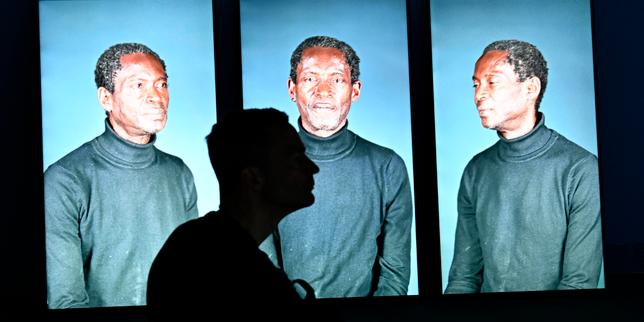
The cancellation of the South African Biennale of Contemporary Art is more than a logistical failure. It is a calculated retreat. By pulling the plug on a major international cultural stage, South Africa has signaled that its internal contradictions regarding the conflict in Gaza have reached a breaking point. The official narrative points to administrative friction and funding gaps, but the reality is far more pointed. The state has decided that no art is better than the wrong art.
In the high-stakes world of global cultural diplomacy, a Biennale is a declaration of presence. For South Africa, a nation that historically leveraged the arts to dismantle apartheid and build a democratic identity, the decision to go dark is a heavy admission of vulnerability. The event was meant to be a crowning achievement for a country positioning itself as the moral compass of the Global South. Instead, it has become a casualty of the very geopolitical tensions South Africa sought to lead.
The Cost of Moral Consistency
South Africa took the boldest possible step on the world stage by bringing a case against Israel to the International Court of Justice (ICJ). That move established a high bar for domestic and international consistency. When you lead the charge on human rights at a judicial level, every cultural expression under your banner is scrutinized through that same lens.
The Biennale was set to be a lightning rod. Organizers and artists, many of whom have long histories of activism, were prepared to use the platform to critique global power structures, including the ongoing warfare in Gaza. This created an impossible friction for the government. On one hand, the state supports the Palestinian cause; on the other, it manages a fragile economy deeply intertwined with Western capital and sensitive diplomatic ties.
The government found itself trapped between its judicial rhetoric and the practicalities of hosting a global event. If the Biennale became a megaphone for radical anti-war sentiment, it risked further alienating trade partners. If the state tried to sanitize the art, it would face a revolt from its own creative community. Silence became the safest, albeit most damaging, middle ground.
Administrative Red Herrings and Funding Realities
Official statements have leaned heavily on "budgetary constraints" and "unresolved logistical hurdles." This is a classic bureaucratic shield. In the world of international art festivals, funding is rarely the primary cause of a total shutdown; it is usually the excuse used when the political will evaporates.
South Africa has the infrastructure. It has the curators. It has the global prestige to pull in private sponsorship. What it lacks right now is a way to manage the optics. The Department of Sport, Arts and Culture has faced a turbulent year, marked by leadership changes and a desperate need to justify every cent spent to a frustrated electorate. Allocating millions to an art show while the country grapples with an energy crisis and 33% unemployment is a difficult sell.
However, the "lack of funds" argument falls apart when viewed against the backdrop of other state-sponsored international missions. The money exists for the things the state deems essential. The Biennale was deprioritized because it promised more trouble than it was worth in a sensitive election year.
A Fractured Creative Community
The fallout within the South African art world is visceral. For years, local artists have operated as the conscience of the nation. They are not merely decorators; they are historians and provocateurs. By canceling the Biennale, the state hasn't just saved money; it has evicted its own storytellers.
- The Loss of Platform: Young South African artists lose a vital bridge to the global market, a gap that won't be filled by digital galleries or local pop-ups.
- The Trust Deficit: The relationship between the Ministry of Arts and the creative sector has soured, with many viewing the cancellation as a form of preemptive censorship.
- The Brain Drain: There is a growing sense that if the state cannot provide a stage, the best talent will simply leave for Berlin, London, or New York, further hollowing out the local cultural economy.
This isn't just about a single show. It’s about the infrastructure of expression. When a government decides that a specific topic—no matter how globally significant—is too "hot" to handle via the arts, it sets a precedent that encourages self-censorship across the board.
The Geopolitical Shadow
South Africa’s position in the BRICS+ alliance and its vocal stance at the ICJ have shifted how the world views its cultural exports. In the past, South African art was often consumed as a celebration of the "Rainbow Nation" or a retrospective on the struggle against apartheid. Today, the world expects South Africa to speak on contemporary global crises.
The Biennale was expected to be a crossroads where the Global South met the West to debate the ethics of modern conflict. The pressure from pro-Palestine activist groups within South Africa is immense. These groups demanded that the Biennale take an uncompromising stand, including the exclusion of any entities perceived to be complicit in the Gaza conflict.
At the same time, the government is under pressure from traditional Western allies to keep its rhetoric within certain bounds. By shuttering the event, the authorities avoided having to make a public choice about who is allowed on the guest list and what they are allowed to say. It is a retreat into the shadows to avoid a spotlight that had become too bright to bear.
The Ghost of Cultural Boycotts Past
There is a deep irony in South Africa being the one to silence a cultural gathering. This is a nation that was built on the back of international boycotts and the power of cultural isolation to force political change. For decades, the world used art and sport to pressure the apartheid regime into submission.
Now, the tables have turned. South Africa is the one navigating the complexities of a cultural boycott—not as the target, but as the facilitator. The internal debate over Gaza has mirrored the historical debates over South Africa itself. Who gets to speak? Who is excluded? Is art ever truly neutral?
The state’s inability to answer these questions in the context of a Biennale suggests a lack of confidence in its own democratic resilience. If a country cannot host a difficult conversation about a global war, it suggests that its own social fabric is too thin to handle the tension.
The Economic Impact of the Void
Beyond the high-minded talk of diplomacy and censorship, there is a cold economic reality. A Biennale is a massive tourism engine. It fills hotels, packs restaurants, and generates thousands of auxiliary jobs in transport, security, and hospitality.
Cape Town and Johannesburg have spent a decade competing to be the "art capital" of the continent. This cancellation is a massive blow to those aspirations. International collectors and curators who had blocked out dates on their calendars will now look elsewhere—perhaps to Lagos, Marrakesh, or Dakar. Once a spot on the global calendar is lost, it is notoriously difficult to regain.
The "savings" found by canceling the event are likely far outweighed by the lost revenue from international visitors. It is a short-term fiscal win that results in a long-term economic deficit.
The Precedent of Selective Silence
What happens the next time a global crisis demands a cultural response? By folding now, the South African government has signaled that its support for the arts is conditional on political convenience.
This sets a dangerous standard for the region. South Africa has long been the bellwether for how African nations interact with the global community. If the most established democracy on the continent decides it cannot handle the heat of a Biennale during a time of international strife, it gives license to more autocratic neighbors to suppress their own cultural events under the same guise of "logistics" or "sensitivity."
The silence from the Ministry of Arts has been deafening. Beyond the dry press releases, there has been no vision shared for how the country will recover this lost momentum. This isn't just a postponement; it is a dismantling of an ambition.
The New Map of African Art
The vacuum left by South Africa will be filled. The African art market is too vibrant and too profitable to remain stagnant because one player left the field. We are already seeing a shift toward decentralized, artist-led initiatives that bypass state funding entirely.
These smaller, more agile collectives don't need a government's permission to speak about Gaza, or the ICJ, or the failures of the local state. They are moving to the margins, where the stakes are lower but the honesty is higher. While the official Biennale sits in a warehouse of "what-ifs," the real work is happening in the studios of artists who no longer expect the state to be their patron.
The death of the South African Biennale is a warning. It is a sign that when a nation’s foreign policy and its domestic reality clash, the first thing to be sacrificed is often the very culture that made the nation's voice worth hearing in the first place. You cannot claim the moral high ground on the global stage while shutting down the stage at home.
If the government wants to prove that this wasn't an act of cowardice, it needs to do more than promise a "future date." It needs to demonstrate that it can tolerate the messiness of a free and vocal creative class, even when their message makes the diplomats uncomfortable. Until then, the empty galleries in Johannesburg and Cape Town will serve as a monument to a missed opportunity.
Artists don't stop working because a festival is canceled. They just stop trusting the people who canceled it. The next great South African masterpiece won't be found in a state-sanctioned pavilion; it will be born from the frustration of being told that the world isn't ready to hear what they have to say.